 Follow Us on Google News


 Follow Us on Google Discover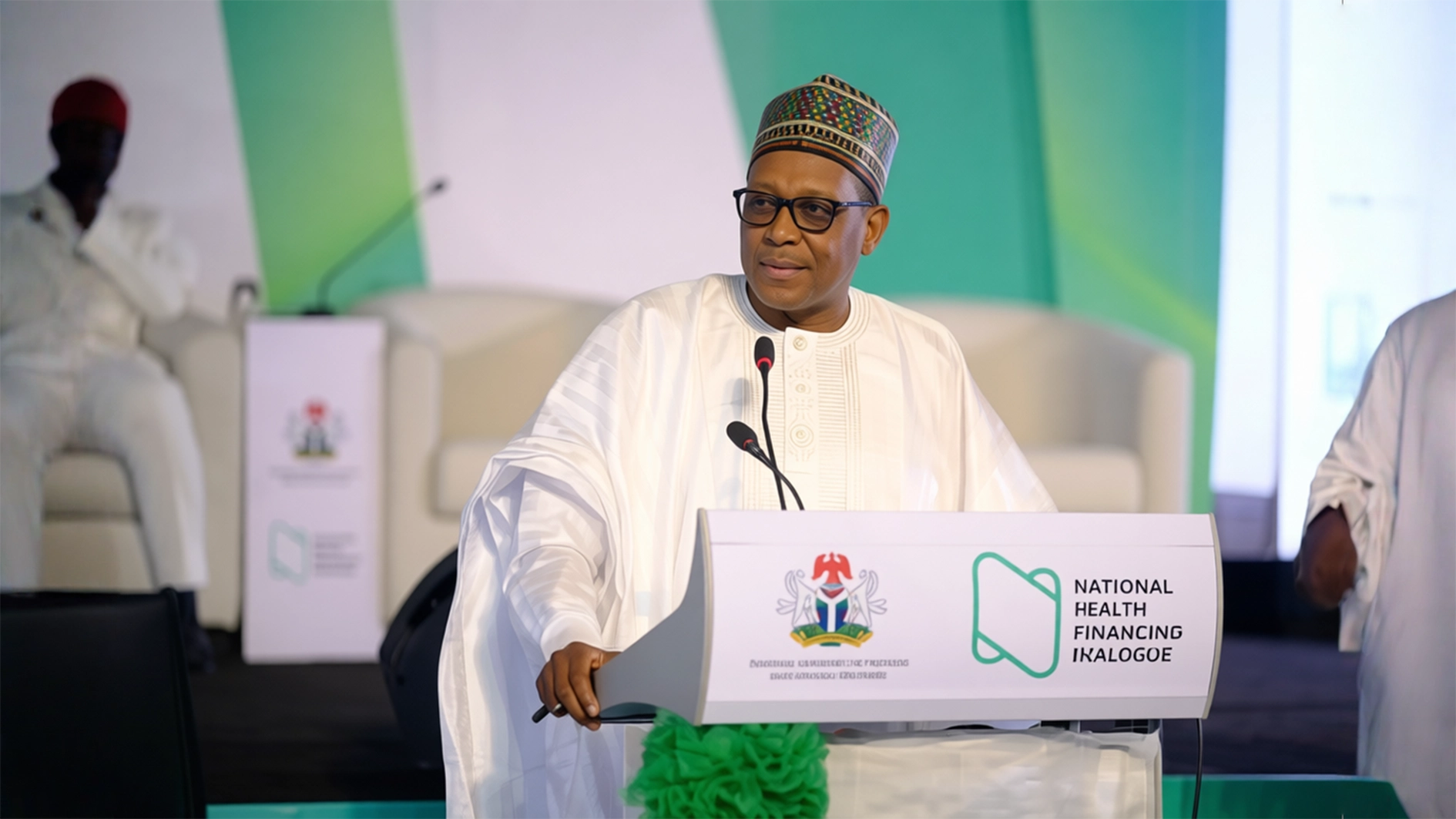
The Federal Government has stressed the need for African countries to deploy homegrown solutions to tackle the continent’s recurring health challenges.
Special Adviser to the President on Health Matters, Salma Anas Ibrahim, made the call at the Continental Social and Behaviour Change (SBC) Costing and Financing Workshop organised by Africa CDC in Abuja.
She expressed concern over the frequent outbreaks of diseases across Africa, including cholera, Lassa fever and Ebola, stressing the need to build resilient and trusted health systems across the continent.
Ibrahim advocated the integration of Social and Behaviour Change costing and financing into health systems to strengthen preparedness and response to outbreaks and emergencies before they occur.
According to her, Africa must address deep-rooted financial barriers limiting access to quality healthcare delivery.
“Social behaviour change communication is critical for implementing our programmes and improving uptake of services. We must engage policymakers, managers and influential stakeholders to ensure that whatever is costed becomes a reality. It must be fully financed, measured and implemented with seriousness and responsibility,” she said.

She noted that improved implementation would enhance maternal, newborn and child health outcomes across the continent.
Ibrahim also underscored the need to scale up maternal health services, including antenatal care, facility-based deliveries and immunisation coverage, particularly for children under five years.
“We are still battling with zero-dose children. The only way we can overcome this challenge, in addition to the good work already being done, is to strengthen and improve social behaviour change by addressing the real bottlenecks and barriers influencing people’s decisions to access healthcare services,” she said.
She added that engaging and empowering communities with adequate information about available healthcare services would significantly improve uptake and overall health indices for women and children across Africa.
The presidential aide insisted that governments must fully cost key elements of social and behavioural change programmes and ensure that such interventions are financed through domestic resources with support from development partners.
She also called for the timely release of funds for the implementation of social and behavioural change communication activities at both federal and sub-national levels.
“During outbreaks and emergencies, communities need trusted guidance, clear communication and meaningful engagement that responds to fear and misinformation. SBC supports protective behaviours, early reporting, timely care-seeking and stronger trust between communities and health authorities,” she added.
Also speaking, Head of Social and Behaviour Change at Legacy, Dr Priscilla Madzinga-Kusena, said the workshop is expected to deliver three key outcomes: improved country-level costing of SBC interventions, harmonised use of the SBC scorecard, and validation of a continental framework for SBC financing.
She explained that the initiative builds on outcomes from the first phase held in Malawi, which produced tools such as a standardised SBC package, costing and financing tools, a scorecard for institutional assessment, and a taxonomy for budget coding.
According to her, the second phase focuses on practical costing and financing methods that will enable five African countries to integrate SBC into national health planning.
Director of Health Promotion at the Federal Ministry of Health and Social Welfare, Dr John Urakpa, observed that SBC implementation in Nigeria remains highly fragmented.
He disclosed that the ministry and the World Health Organisation are working on an integrated national health promotion communication strategic framework to harmonise and strengthen coordination.
Urakpa said the initiative would support advocacy for increased funding for health promotion at national and sub-national levels and improve health awareness within communities.
He added that the workshop would strengthen participating countries’ capacity on social and behaviour change costing and financing.
Chief of Social and Behaviour Change at the UNICEF Nigeria Country Office, Mr Shishir Joshi, said the workshop would enhance evidence-based budget allocation for health interventions across participating countries.
Joshi noted that the current phase builds on lessons from the first phase, which revealed major gaps in understanding and financing SBC interventions globally.
He said the workshop is helping countries develop a broader understanding of SBC and its role in strengthening health systems and achieving sustainable outcomes.
According to him, one of the major challenges identified was the limited capacity of SBC practitioners in financial planning and costing.
He added that the meeting promotes collaboration among ministries of health and finance to identify opportunities within national budgets and integrate SBC into existing frameworks.
The workshop brought together policymakers, technical experts and development partners as part of a continental effort to institutionalise SBC as a routine and adequately funded component of Africa’s health systems.

