 Follow Us on Google News
 Follow Us on Google Discover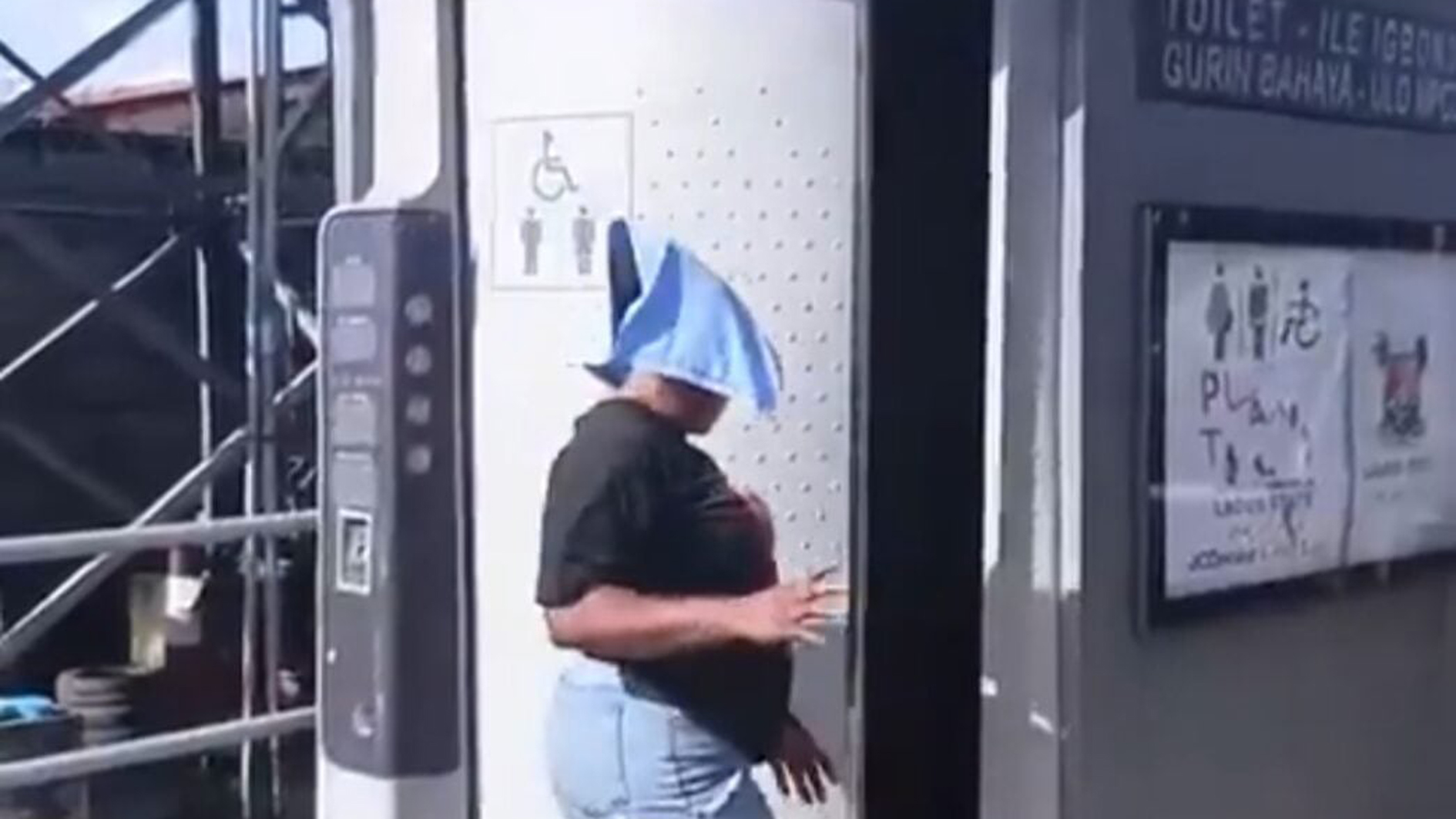
• 65% of Lagos residents lack basic hygiene services
Reckitt Nigeria has launched a modular public sanitation facility in Lagos to strengthen Water, Sanitation and Hygiene (WASH) services, amid a nationwide crisis in which 179 million Nigerians lack access to basic sanitation, while 46 million still practise open defecation.
The company said the facility, expected to serve more than 30,000 commuters monthly, was delivered by MN Environmental Services, one of four health and hygiene enterprises selected from the 2025 cohort of the Reckitt Catalyst programme.
Head of External Communications, Media and Partnerships for Reckitt West and East Africa, Cassandra Uzo-Ogbugh, said the Catalyst initiative is a five-year global programme designed to expand access to health and hygiene solutions by supporting innovative local enterprises.
She noted that since its launch in Nigeria in 2023, the programme has supported 10 social entrepreneurs, provided mentorship and business training, and disbursed over N85 million in seed funding.
According to her, the initiative places special focus on female and underrepresented founders to create equitable opportunities for entrepreneurs facing systemic barriers. Participants also gain access to a global network across the health, hygiene and WASH sectors to help scale sustainable solutions.
She said the new facility was commissioned against the backdrop of Nigeria’s worsening sanitation challenge, with more than 179 million people lacking access to basic sanitation and about 46 million still practising open defecation.

Reckitt added that the challenge is particularly severe in Lagos, where about 70 per cent of residents do not have access to safely managed sanitation services, while 65 per cent lack basic hygiene services.
The company said the Abule-Egba facility was designed as a practical and scalable response, featuring a biodegradable waterless sanitation system and modular construction that allows easy replication in other communities.
It added that the centre includes separate toilet and shower facilities for men and women to ensure privacy, hygiene and accessibility for users.
Speaking at the commissioning, Uzo-Ogbugh said the Reckitt Catalyst programme was created to deliver impactful, community-based solutions. She noted that the most effective way to create change in underserved communities is to empower people within those communities who understand the challenges and can design appropriate solutions.
She added that through its flagship brand Harpic, Reckitt remains committed to expanding sanitation and hygiene access, reducing open defecation, and improving public health outcomes in Nigeria. She described the facility as evidence of what is possible when government, private sector actors and local enterprises collaborate effectively.
Co-founder of MN Environmental Services, Jife Williams, said access to clean and safe sanitation is a fundamental human right. She explained that the facility was built to provide a hygienic, accessible and well-managed environment for users.
Williams added that the company is committed to ensuring the sustainability and proper maintenance of the centre so it continues to serve the community effectively.
She also stressed the importance of collaboration in addressing sanitation gaps, noting that the project was implemented through a Public-Private Partnership with the Lagos Metropolitan Area Transport Authority.
According to her, no single organisation or institution can address such challenges alone, making coordinated action across sectors essential.
She said the successful commissioning marks an important milestone for the Catalyst programme in Nigeria, demonstrating that targeted local investment, supported by global health goals, can deliver lasting community impact.

