 Follow Us on Google News


 Follow Us on Google Discover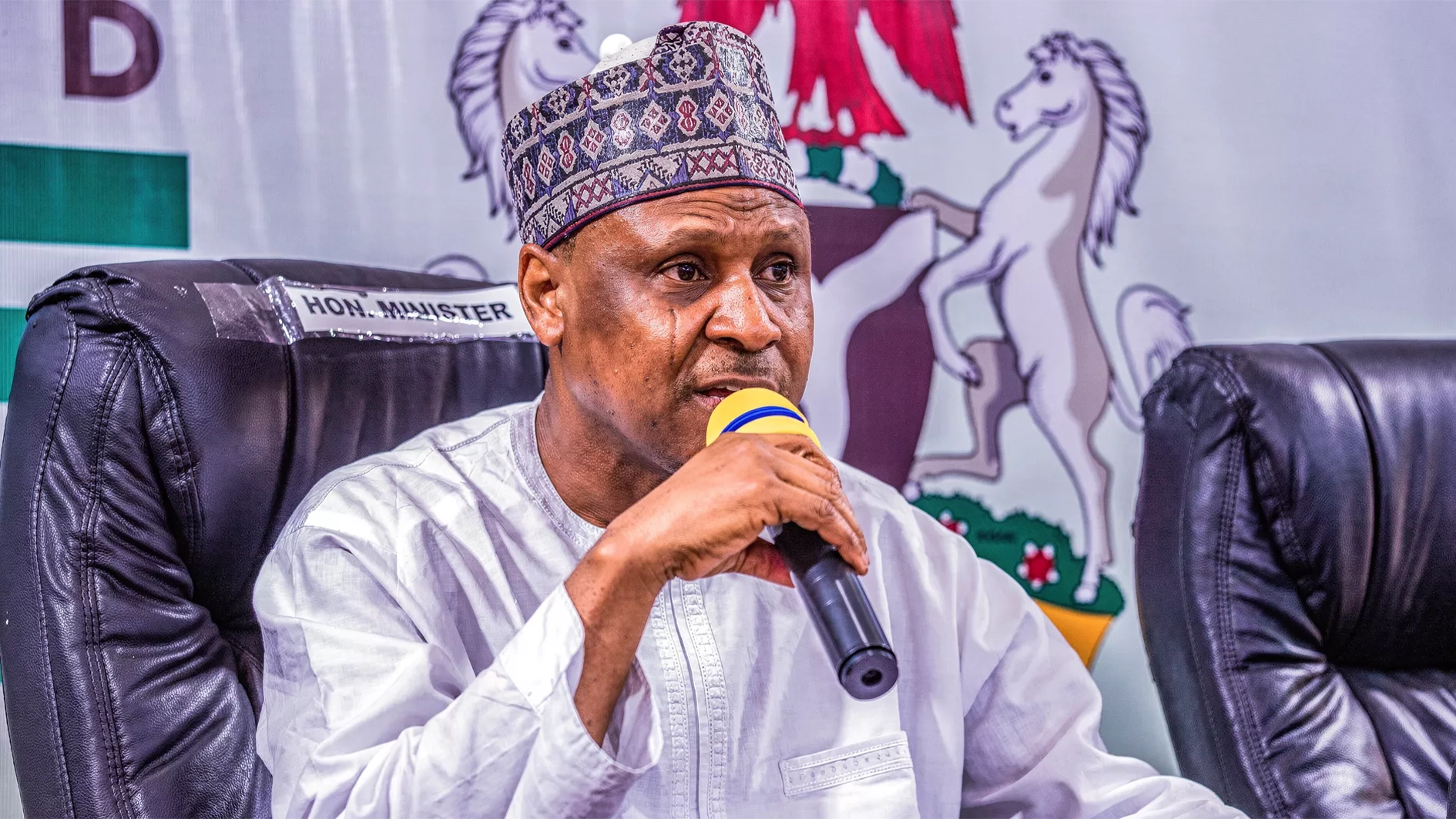
The Federal Government has pledged to integrate eye health into youth development policies and programmes to curb poor eyesight among young people, which often leads to frustration, anxiety and social withdrawal.
Minister of Youth Development, Ayodele Olawande, stated this at the Youth Eye Health Summit themed “Seeing the Future: Advancing Eye Health for Youth Development in Nigeria,” held in Abuja. The event was organised by the Nigerian Optometric Students Association and Global Optometry Student Community (OPTOGLOBE) in collaboration with the Federal Ministry of Youth Development.
Olawande noted that clear vision is a fundamental driver of education, productivity, innovation and national competitiveness, adding that poor eyesight can undermine academic confidence and negatively affect mental and psychosocial well-being.
Highlighting that young people make up more than 60 per cent of Nigeria’s population, the minister said fully harnessing this demographic advantage requires ensuring that youth can “see clearly both physically and metaphorically.”
He added that the ministry’s participation in the summit was purposeful rather than ceremonial, noting that its Department of Youth Health, Mental and Psychosocial Affairs remains committed to policy advocacy, sensitisation, partnerships and integrated programming that promote holistic youth development.
The summit brought together optometry professionals, policymakers and student leaders to chart a new course for youth eye care in the country. In his keynote address, Board Member for Africa at Volunteer Optometric Services to Humanity, Tuwani Rasengane, called for urgent and coordinated action across Africa to curb preventable vision loss among young people.

Rasengane advocated collaborative strategies involving governments, institutions and communities to address the challenge. “We cannot continue to treat preventable blindness as an afterthought. Governments, institutions and communities must act decisively. Collaboration is no longer optional; it is imperative,” he said.
Speaking on the growing burden of myopia among Nigerian youth, Obinwanne Chukwuemeka Jr warned that cases are rising steadily due to lifestyle and environmental factors. He stressed that early detection and proper management are critical, cautioning that failure to intervene promptly could result in a generation struggling with avoidable visual impairment.
Highlighting policy direction, Oteri Okolo underscored the need to integrate vision screening into primary healthcare and school health services. She noted that the National Eye Health Policy already provides a framework for improving eye care services but requires stronger implementation at the grassroots level.
Also speaking, Senior Technical Adviser to the Minister, Obinna Ebirim, disclosed that youth-focused eye health programmes would be incorporated into the ministry’s broader preventive health initiatives to ensure sustained attention to visual health among young people.
During the summit, President-Elect of the African Council of Optometry, Ozy Okonokhua, proposed compulsory vision screening for children before school admission. He recommended that parents submit eye test reports alongside birth certificates to ensure early detection of visual impairments that could affect learning outcomes.
The Registrar and Chief Executive Officer of the Optometrists and Dispensing Opticians Registration Board of Nigeria, Obinna Awiaka, also announced a partnership with Optometry Giving Sight to strengthen training infrastructure for optometry schools. He revealed that a pilot equipment-support programme had already been concluded at Arthur Jarvis University.
The summit concluded with a visual screening outreach at the Durumi Internally Displaced Persons Camp, where residents received comprehensive vision checks, eye health education and referrals for corrective services.
Speaking during the outreach, the camp secretary, Mallam Bala, said it was the first eye-focused screening conducted at the facility since 2014. “For over a decade, no team has come specifically for eye care. This intervention is timely and deeply appreciated,” he said.
Participants at the summit agreed on several strategies to improve youth eye health in Nigeria. These include nationwide school-based vision screening, affordable corrective services for low-income youth, training for teachers and community health workers, expanded public awareness campaigns, mentorship programmes for optometry students, and the creation of a national task force to coordinate child and youth eye health initiatives.
They also recommended integrating age-disaggregated eye health data into Nigeria’s national health information system to improve planning and resource allocation.
Earlier, members of the Nigerian Optometric Students Association paid a courtesy visit to the minister and presented him with an award in recognition of his support for initiatives advancing youth eye health.

