 Follow Us on Google News


 Follow Us on Google Discover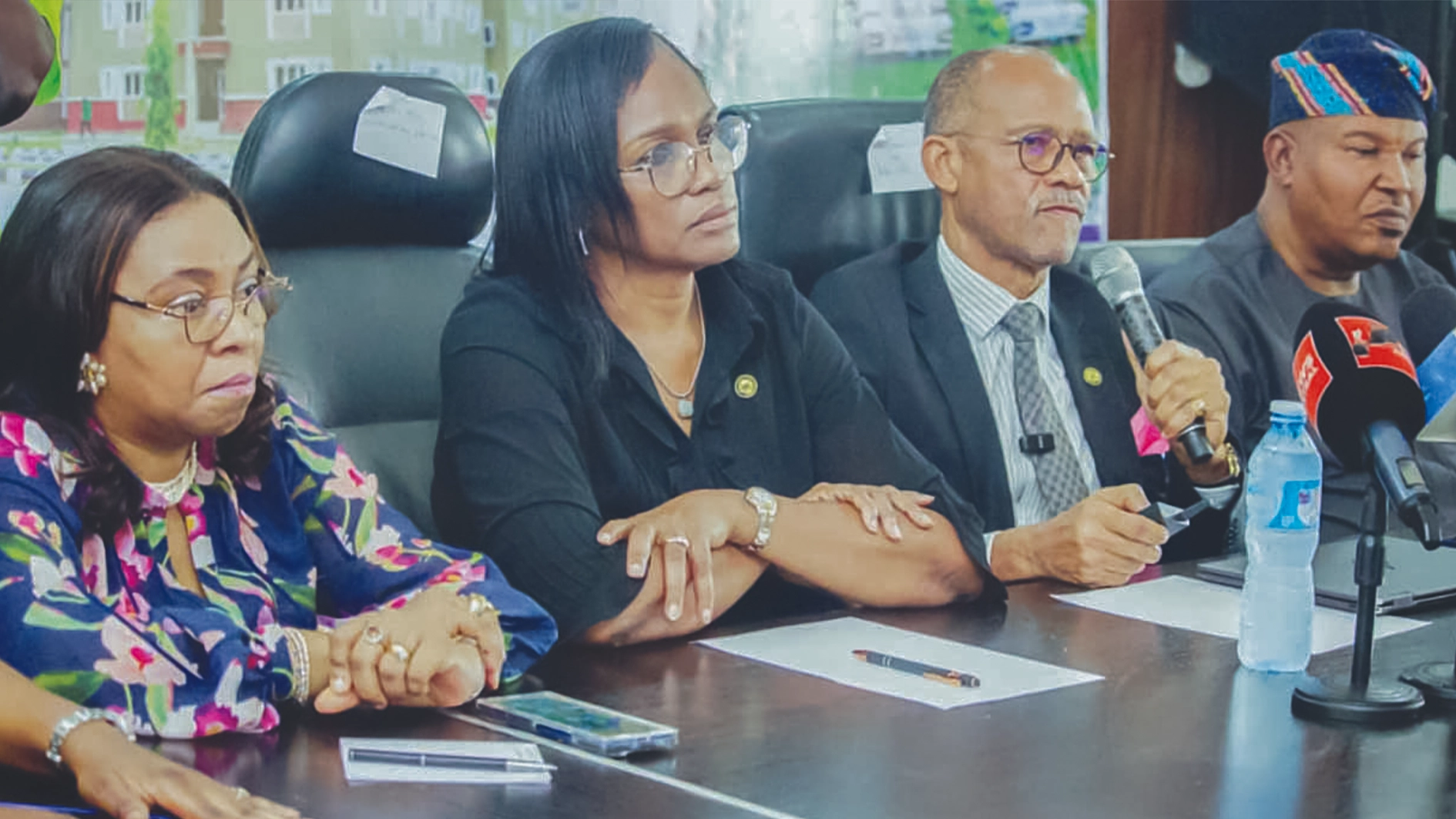
The Lagos State Ministry of Health has unveiled plans to build new specialist hospitals and a medical innovation zone aimed at expanding medical training, strengthening digital healthcare networks, and positioning Lagos as one of Africa’s leading healthcare destinations.
Speaking during the 2026 Ministerial Press Briefing, the Commissioner for Health, Prof. Akin Abayomi, said the reforms were designed to prepare Lagos for the pressures of rapid urbanisation, climate change, and growing healthcare demands in Africa’s leading megacity.
The projects include the construction of a new 10-floor Massey Children’s Hospital, expected to become one of the most advanced paediatric referral centres in West Africa. The state is also constructing a 280-bed General Hospital in Iba-Ojo and a 1,500-bed Mental Health Institute in Ketu-Ejirin.
Abayomi said the state was redesigning hospital infrastructure using renewable energy and climate-sensitive architecture to reduce operating costs and improve patient experience.
According to him, conventional hospitals currently cost about N158 million to power, while newly designed “green hospitals” are expected to reduce energy costs by more than half through solar energy systems and improved ventilation designs.
“We are building facilities for the future of Lagos,” Abayomi said, noting that many older hospitals in the state were not originally designed to cope with current population pressures.

The state also disclosed plans to establish a standalone University of Medicine and Health Sciences to address the shortage of healthcare professionals, noting that Lagos requires about 40,000 doctors but currently has only about 7,000.
According to the commissioner, the proposed university will significantly expand admissions into medicine, nursing, pharmacy and dentistry programmes, while decentralising medical training into general hospitals and primary healthcare facilities.
In addition, the government plans to establish a Lagos Medical Industries and Innovation Zone in the Lekki Free Trade Zone. The project will focus on local production of vaccines, drugs, medical consumables and healthcare equipment.
Abayomi said the initiative was inspired by shortages experienced during the COVID-19 pandemic, when global supply chain disruptions caused sharp increases in the cost of medical supplies.
The state also unveiled a digital healthcare platform known as the Smart Health Information Platform (SHIP), designed to connect hospitals, pharmacies, laboratories, ambulances and regulatory agencies into a single integrated system.
Under the proposed framework, patients will eventually be able to access treatment across facilities using a unique identification number instead of carrying physical medical files.
Abayomi also highlighted progress in disease control, particularly malaria reduction. According to him, malaria prevalence in Lagos dropped from 15 per cent in 2010 to approximately two per cent in 2025 through aggressive testing and prevention campaigns.
The state government also announced a Climate Adaptation Plan for the health sector covering 2026 to 2030, citing rising temperatures, flooding and other environmental threats affecting public health.
As part of regulatory reforms, the Health Facility Monitoring and Accreditation Agency (HEFAMAA) disclosed that 62 health facilities had recently been sealed for non-compliance, while nearly 4,800 healthcare facilities are currently accredited across the state.
Abayomi said the broader goal of the reforms was to reduce outbound medical tourism and position Lagos as a centre for advanced healthcare, medical education and health innovation in Africa.
Also speaking, the Special Adviser to the Governor on Health, Dr Kemi Ogunyemi, urged residents to patronise only healthcare facilities accredited by HEFAMAA, warning against the dangers of substandard medical practice.
The Permanent Secretary of the Lagos State Ministry of Health, Dr Dayo Lajide, expressed appreciation to stakeholders supporting healthcare development and reform efforts in the state.
She commended government officials, members of the Health Service Commission, directors across the health sector and healthcare workers in tertiary, secondary and primary healthcare facilities for their dedication and contributions to improving healthcare delivery in Lagos.

