 Follow Us on Google News


 Follow Us on Google Discover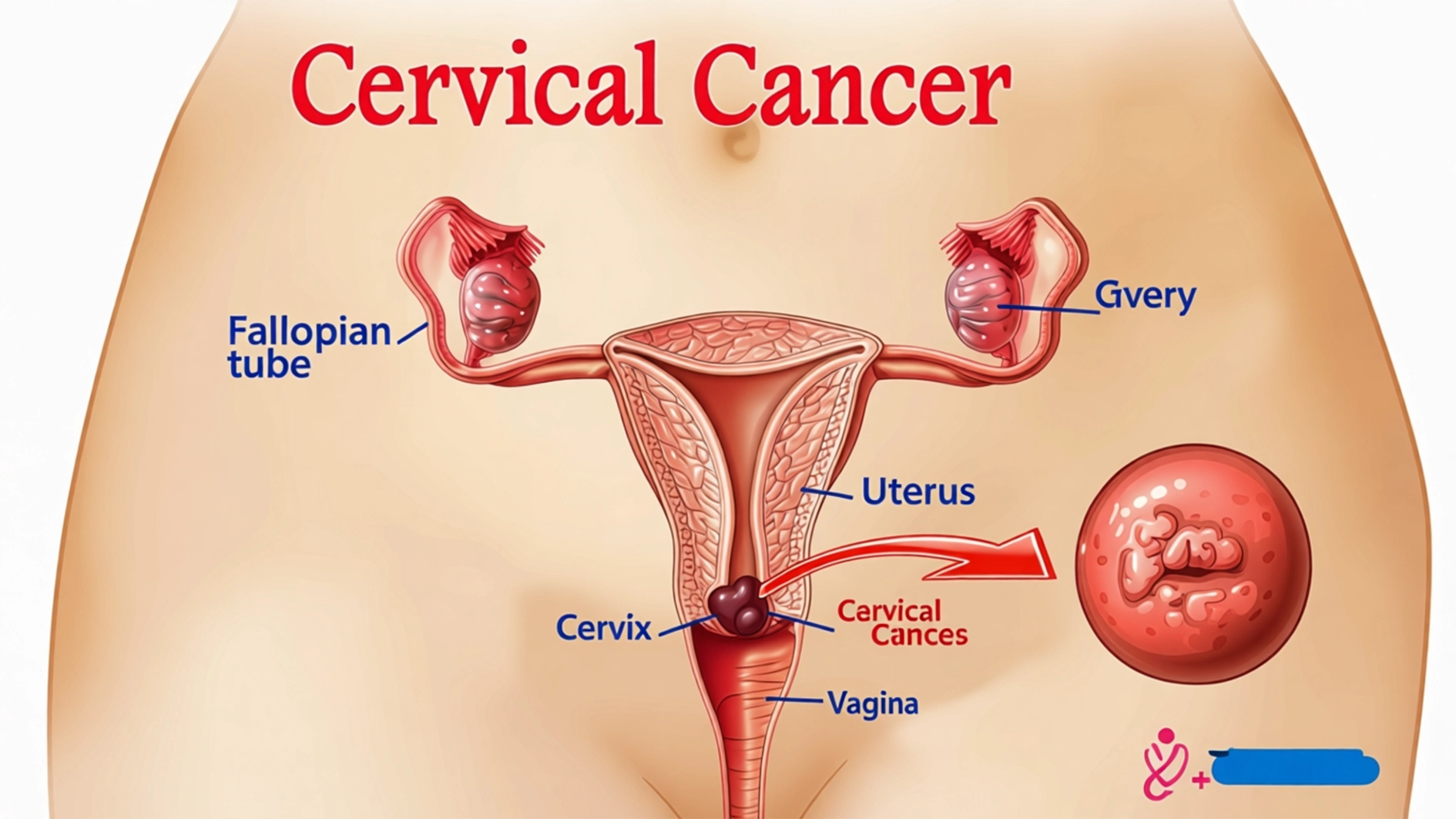
Researchers at the Nigerian Institute of Medical Research (NIMR) have warned that persistent Human Papillomavirus (HPV) infections are driving cervical cancer in Nigeria, where 33 new infections occur daily and 22 women die from the disease each day. They called for intensified vaccination and screening efforts to curb the rising burden.
The warning came during a February media briefing at NIMR’s Yaba campus, where scientists also raised concerns about antimicrobial resistance (AMR) and urged national adoption of wastewater surveillance to strengthen epidemic preparedness.
Deputy Director of Research and Head of the Central Research Laboratory, Dr Chika Onwuamah, explained that while over 200 HPV types exist, only about 15 are high-risk and capable of causing cancer. He noted that approximately 90 per cent of infections, especially in individuals under 30, are cleared naturally, but persistent infections can trigger cellular changes progressing to cervical cancer if untreated.
Onwuamah cited global data showing 604,000 new cervical cancer cases and 342,000 deaths in 2020. In Nigeria, 12,100 new cases and 8,000 deaths were recorded the same year, though he acknowledged underreporting. He referenced the World Health Organisation’s 90-70-90 strategy, targeting 90 per cent of girls vaccinated by age 15, 70 per cent of women screened by 35, and 90 per cent of diagnosed women treated.
He commended Nigeria’s integration of HPV vaccination into routine immunisation in 2023 for girls aged nine to 14, noting that the single-dose, cost-effective vaccine protects against the most cancer-causing strains, covering roughly 80–90 per cent of cases. Risk factors such as HIV infection, genital warts, abnormal vaginal discharge, smoking, alcohol use, and multiple sexual partners were identified, with smoking and alcohol combined increasing infection risk by 2.4 times.
Awareness remains low: only 27 participants in one study knew of the HPV vaccine, and just six per cent had received it. On screening, research comparing clinician-collected and self-collected cervical samples among 213 women showed 96 per cent accuracy and 98 per cent specificity for self-sampling, suggesting it could expand access, particularly in rural or culturally restricted communities.

Prof Oliver Ezechi stressed that cervical cancer is Nigeria’s second most common cancer among women, attributing late presentation to poor awareness and stigma, even after symptoms like post-coital bleeding appear.
Beyond cancer, NIMR scientists highlighted the growing AMR crisis. Senior Research Scientist, Dr Emelda Chukwu, reported a sentinel surveillance study in four Lagos healthcare facilities, revealing high resistance to third-generation cephalosporins, broad-spectrum antibiotics for severe infections. Misuse, prescriber pressure, and low public awareness were key drivers.
Chukwu recommended facility-specific antibiograms to guide empirical prescriptions, noting that about 80 per cent of antibiotics are prescribed empirically. Her team also conducted environmental surveillance across all 20 Lagos councils, detecting pathogens like Vibrio cholerae O1 in nine wastewater samples, prompting advisory alerts to authorities. She emphasised that in 2024, cholera affected 36 states, underscoring the need for proactive monitoring.
The study identified risky community behaviours, including open defecation and poor waste disposal, as contributors to contamination, advocating for behavioural change interventions.
Researchers called for greater investment in vaccination, screening, antibiotic stewardship, and surveillance systems.
They urged policymakers to support research into why some HPV infections progress to cancer while others do not.
They stressed that cervical cancer is largely preventable and warned that AMR threatens everyone, cautioning that without sustained action, preventable deaths and untreatable infections will continue to rise.

