 Follow Us on Google News


 Follow Us on Google Discover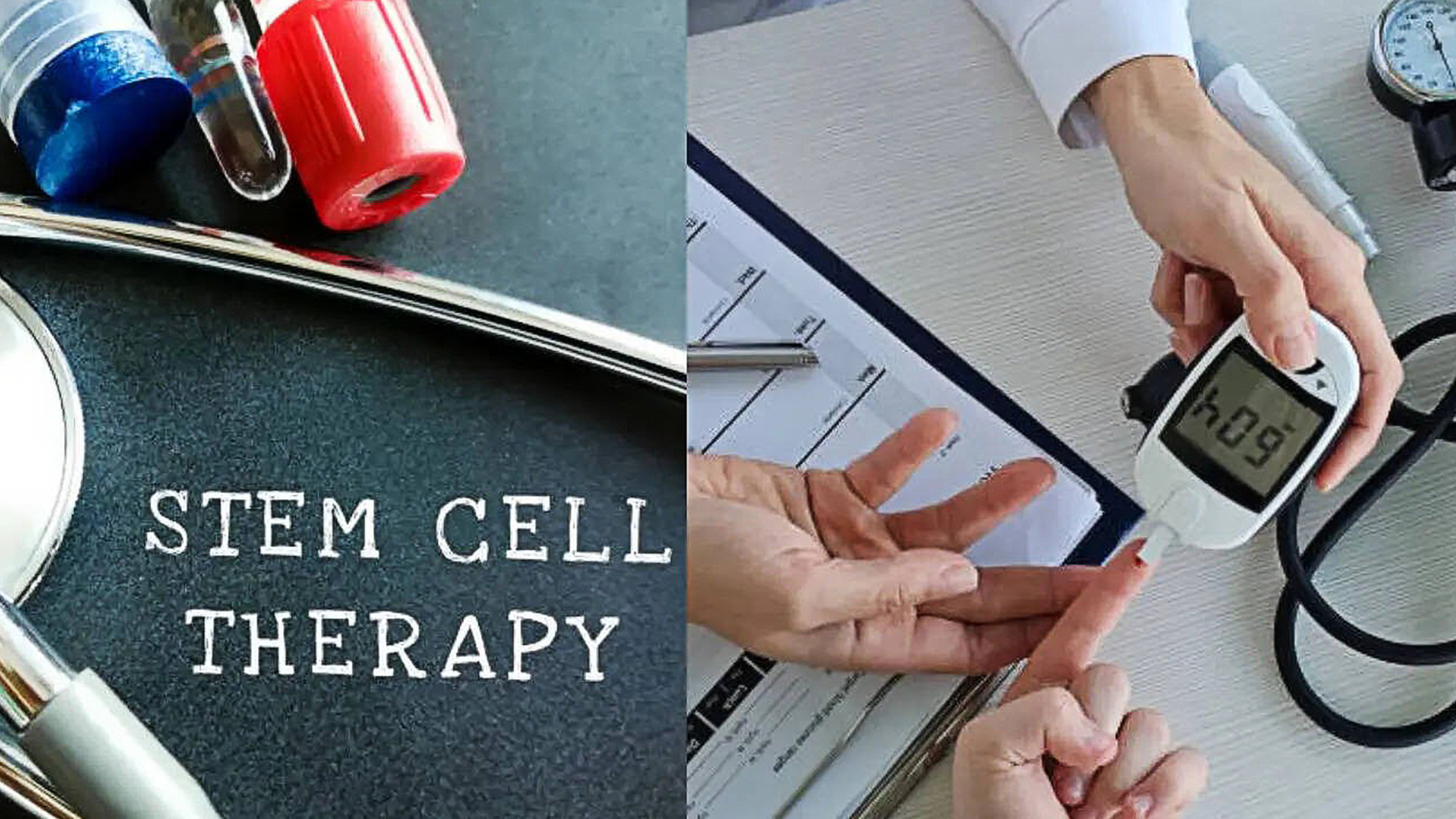
Chinese scientists have reportedly achieved the world’s first reversal of type-2 diabetes using stem-cell therapy. This is no mean feat, as this is historic and globally significant, as type-2 diabetes is prevalent globally.
The treated patient no longer requires insulin injections. Though promising, experts stress that larger clinical trials are needed to confirm long-term safety and effectiveness. Publishing their findings in the journal Cell Discovery, the team of scientists believe that this new therapy offers hope for the estimated 420 million people living with type 2 diabetes around the world.
Type 2 diabetes is a condition wherein the body is unable to use insulin properly, and it raises your blood sugar levels. To control it, insulin and medications may be prescribed. However, once someone becomes insulin dependent, it is nearly impossible to regain normal function.
The Chinese researchers achieved the remarkable feat by using established stem cell therapy to transplant healthy pancreatic cells to mimic the function of insulin regulation inside the body.
This experimental treatment has been successful for the first time, wherein the patient isn’t dependent on injectable insulin or medication for managing blood sugar.
There are steps involved in how stem cell therapy was used to reverse type-2 diabetes. Firstly, the scientists use stem cells that are taken from the patient’s own body or from a donor. The main reason that they are used is that they can transform into different types of specialised cells and perform the desired function. In the lab, these stem cells are guided using chemical signals and genetic cues to become pancreatic islet cells. Specifically, they are turned into beta cells, which are the body’s natural insulin producers.

These cells are now considered reprogrammed and grown into clusters to mimic the natural structure of pancreatic tissue that is damaged. These clusters can sense blood sugar levels and release insulin when needed.
Then, these insulin-producing clusters are transplanted into the patient’s body; in this case, it was the abdomen. Once they are inside, they integrate with the patient’s blood supply. The main challenge arises in determining whether the cells are accepted or rejected, which will determine the outcome.
To restore insulin production, the transplanted cells then begin functioning like healthy pancreatic beta cells. They work to detect rising blood glucose and release insulin, accordingly, lowering sugar levels naturally. This reduces or eliminates the need for external insulin injections.
The medical experts monitor the patients to ensure that the transplanted cells survive in the patient’s body, keep producing insulin, and do not trigger immune rejection or lead to other complications.
Stem cell therapy for treating type-2 diabetes is a kind of regenerative medicine that could help create tailored treatment for the disease. The results of this case are promising, but there is a need to be cautious. As this is a single case wherein the stem cell therapy proved effective, more large-scale clinical trials are needed to confirm safety and efficacy. Multiple demographics need to be considered while creating treatments for type-2 diabetes, as this case is a single success story.
Presently, type-2 diabetes is a lifelong management marathon that could experience a shift to curative approaches due to such innovative research practices. Globally, the total impact of diabetes affects about 90 million adults between the ages of 20 and 79 years, and over 90 per cent of these cases are of type-2 diabetes. The International Diabetes Federation has flagged type-2 diabetes as a major public health concern.
Through innovative research on potential cures for type-2 diabetes, the future of diabetes treatment could be possible. By using stem cell therapy for insulin-dependent patients, researchers and scientists could tailor approaches that could prove successful in easing the global load of diabetes.
According to reports, there are challenges and risks associated with effectively saying that stem-cell therapy could prove fruitful for curing type-2 diabetes and they include: One case does not equal a cure; it is encouraging and a positive outcome, but the progress needs to be tracked.

