 Follow Us on Google News


 Follow Us on Google Discover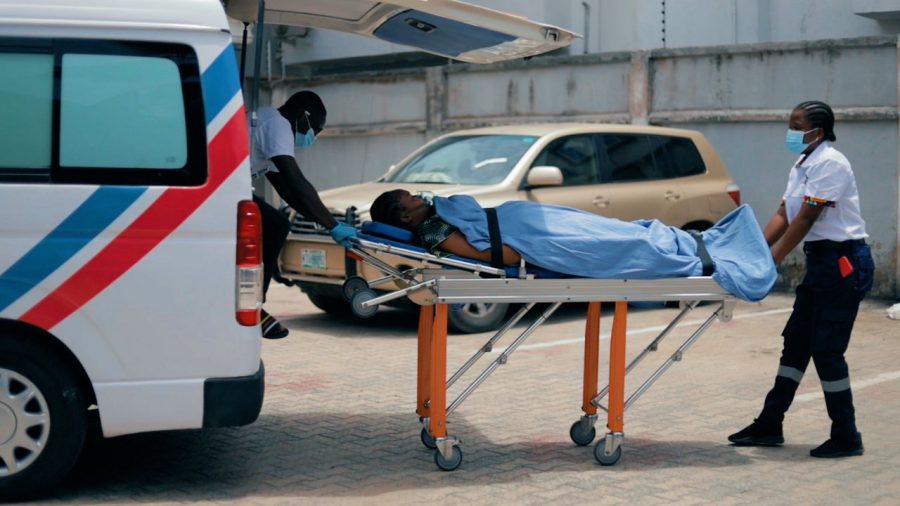
 Stakeholders have identified critical challenges in emergency care and explored solutions for a more efficient and responsive emergency care system in the country.
[ad]
The experts, comprising healthcare executives, policymakers, emergency responders, and industry professionals, met at a pre-hospital Emergency Care stakeholders engagement conversation organised by Emergency Response Africa (ERA) in Lagos.
Professor of Emergency Medicine at Aga Khan University, Nairobi, who delivered a keynote address on “Reimagining Emergency Care Systems in Africa: Opportunities Beyond the Ambulance,” emphasised the need for innovative and technology-driven approaches to prehospital care.
Ogun State Commissioner for Health, Tomi Coker, spoke on Rural Maternal Health Emergency Transport: A Tool for Reducing Maternal and Neonatal Mortality in Ogun State,
outlined the state’s recent efforts to combat maternal and neonatal mortality through the launch of the Maternal and Newborn Mortality Reduction Innovation and Initiative (MAMII).
Coker emphasised the government’s commitment to enhancing maternal and newborn survival rates and reaffirmed the government’s commitment to improving maternal and newborn survival rates through a holistic approach that addresses infrastructure deficits, workforce gaps, and integration of technology.
The inaugural Prehospital Emergency Care Stakeholder Summit featured insightful panel discussions and case studies on key topics such as building a sustainable emergency response system, leveraging technology in prehospital care, and community-driven first response models, alongside policy and regulatory frameworks to standardize emergency medical services across Africa.
A key financing partner of the Edo Emergency Medical Service (EDOEMS) project, Fund for Innovation in Development (FID), was recognised for its commitment to strengthening emergency response systems.
[ad]
FID Investment Officer, Amina Zakhnouf, highlighted the organisation’s dedication to supporting innovative healthcare solutions: “We believe that innovation is key to solving some of the world’s most pressing challenges, including poverty, inequality and access to emergency medical services.”

Nigeria faces a severe shortage of emergency medical services, with only 0.4 ambulances per 100,000 people—far below the WHO’s recommendation of one per 10,000. This lack of emergency care contributes to preventable deaths, particularly among mothers and newborns.
More than 80 per cent of maternal deaths in Nigeria could be avoided with timely emergency care, underscoring the urgent need for improved access to lifesaving medical services.
The CEO of Emergency Response Africa, Folake Owodunni, emphasised the importance of public-private partnerships in addressing Nigeria’s emergency care challenges and called for increased collaboration between governments, private sector players, and development partners to scale emergency response systems nationwide.
[ad]

