 Follow Us on Google News
 Follow Us on Google Discover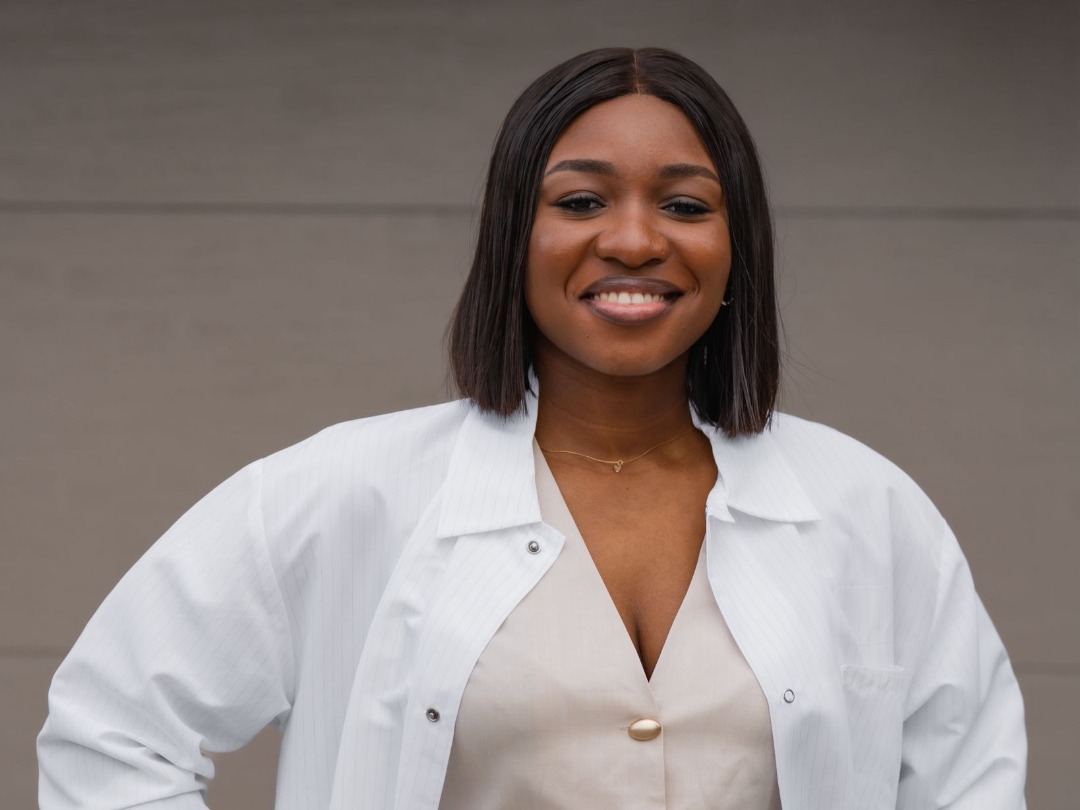
When Nigeria faced an unexpected surge of Lassa fever cases in early 2020, the country’s public health response was racing against time. In past outbreaks, delays in confirming diagnoses had been a significant obstacle. But this time, the diagnostics came faster, the interventions were sharper, and lives were saved.
Behind this quiet but vital shift was a relatively unknown scientist: Chiamaka Francisca Igweonu, a molecular diagnostics expert at the National Biotechnology Development Agency (NABDA).
Igweonu was not one to seek attention. Her work was done in the background, in labs often operating with minimal resources. Yet it was her redesign of NABDA’s PCR workflows—combined with targeted training of laboratory personnel nationwide—that helped reduce diagnostic turnaround times by more than 60 percent.
“We needed to adapt global diagnostics to local challenges,” she said in a modest office tucked away in NABDA’s headquarters in Abuja. “Sometimes, that meant rewriting protocols for less-than-ideal lab conditions.”
Nigeria’s Lassa fever diagnosis has relied heavily on centralised testing, often resulting in delayed confirmation. Igweonu recognised that decentralisation could be effective only if local labs could guarantee reliable results. She developed a simplified yet robust RT-PCR workflow and oversaw training sessions in federal reference labs in states such as Edo, Ebonyi, and Ondo, regions hardest hit by the disease.
“She was central,” said Dr. Seun Fortune, NABDA’s Director of Medical Biotechnology. “Chiamaka re-engineered the system from the inside. She not only improved our internal testing processes but helped us institutionalise those improvements in our standard operating procedures.”

Her contributions did not stop at the bench. Igweonu also coordinated closely with officials from the Nigeria Centre for Disease Control (NCDC), ensuring her lab protocols were aligned with national strategies. As cases rose in the first quarter of 2020, the effects of her work became increasingly visible. Patients were diagnosed more quickly, which reduced hospital wait times and enabled officials to prioritise isolation and treatment efforts.
Health policy analyst Dr. Amaka Ogunyemi of the University of Lagos emphasised that what made Igweonu’s work stand out was its replicability. “This was not a one-lab miracle,” she said. “What Chiamaka built was a framework that other labs could plug into. That’s how you scale progress.”
Her story remains largely untold. Yet in public health circles, her impact is widely acknowledged as a case study in how low-profile innovation can transform national outcomes.
As Nigeria continues to confront infectious diseases old and new, the country’s diagnostic resilience owes much to quiet trailblazers like Chiamaka Igweonu—scientists who move fast when it matters most, even if the world is watching something else.

