 Follow Us on Google News


 Follow Us on Google Discover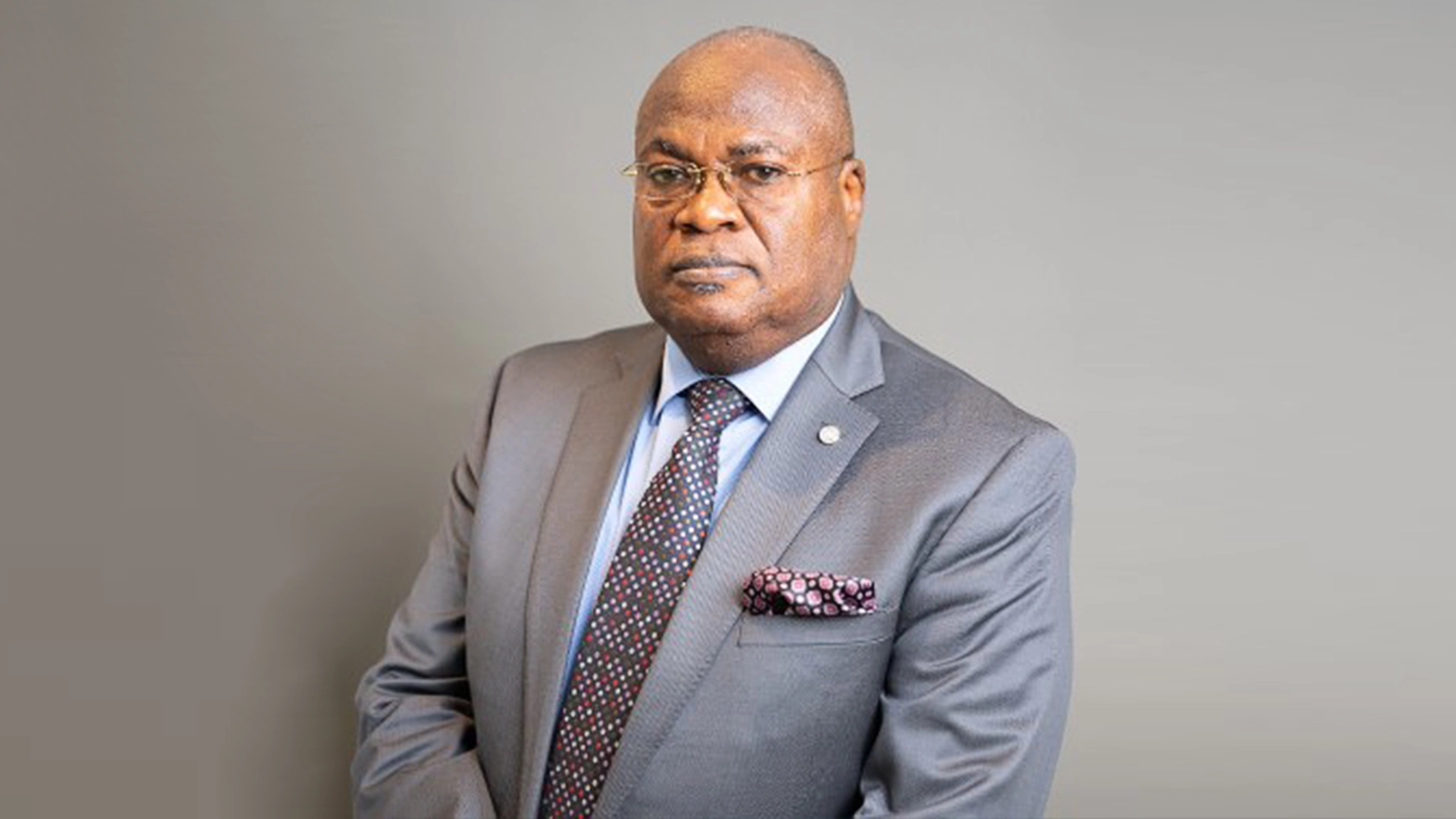
Ultimate Health HMO has attributed the slow growth of health insurance coverage in Nigeria to weak standardisation and the absence of clear actuarial guidance, saying these gaps are limiting enrolment, undermining service quality, and sustaining fragmentation in the sector.
The organisation said many of the system’s challenges date back to the late 1990s, when private health insurance providers introduced family-based plans with variable benefits, resulting in inconsistent service delivery and recurring disputes over premiums and capitation.
According to the Managing Director and Chief Executive Officer of Ultimate Health HMO, Lekan Ewenla, the former National Health Insurance Scheme (NHIS) Act of 1999 further constrained uptake due to its voluntary provisions and fragmented implementation. He said this left many private employers unaware of their statutory responsibilities and limited the scale required for effective risk pooling.
Speaking at the launch of its Group, Individual and Family Social Health Insurance Programme (GIFSHIP), designed to expand access to affordable and equitable healthcare, Ewenla said the absence of standardised operations, effective regulatory oversight and actuarial clarity had historically weakened the system and discouraged wider participation.
The initiative comes amid renewed enforcement of mandatory enrolment for employers and employees across both the organised private sector and the informal economy, as stakeholders push for broader access, improved service delivery and sustainable healthcare financing.
Ewenla said the newly introduced GIFSHIP, priced at N38, 718 per person annually, is designed to address these gaps through a clearly defined contributory benefit package regulated by the National Health Insurance Authority (NHIA). He said the plan covers individuals, families and groups, while separating individual enrolment from the traditional family model that previously constrained service delivery.

He noted that standardising premiums and operational processes would help reduce disputes between healthcare providers and health maintenance organisations (HMOs), while ensuring consistent quality of care across all levels of service.
Emphasising the importance of scale, Ewenla stressed that sufficient enrolment volume is critical for effective risk management and the sustainability of health insurance schemes. He urged private employers to convert existing medical allowances into structured health insurance contributions, while encouraging informal sector participants to leverage associations and mobile platforms to drive wider enrolment.
The organisation also disclosed that it had become the first HMO to submit actuarially developed complementary and supplementary benefit packages for approval and coding by the NHIA, reflecting its commitment to delivering tailored services for high-income groups while expanding access for the broader population through GIFSHIP.
Ewenla said the NHIA Act 2022 provides the regulatory framework needed to ensure access to essential healthcare services for all Nigerians, adding that the sector must shift from assumptions to full compliance and from reactive treatment to preventive healthcare.
He said that with a growing base of enrollees across Nigeria’s 36 states and the Federal Capital Territory, GIFSHIP is positioned as a scalable solution for bridging healthcare gaps, improving service delivery and strengthening social and economic resilience.
The organisation urged Nigerians to take proactive steps towards enrolment, noting that compliance with the NHIA Act is not only a legal obligation but also a safeguard against the financial burden of medical emergencies.
It reiterated that achieving universal health coverage would require stronger adherence to standardised systems and actuarial principles, describing GIFSHIP as a sustainable model capable of expanding access to quality healthcare for millions while reducing fragmentation in the sector.

