 Follow Us on Google News


 Follow Us on Google Discover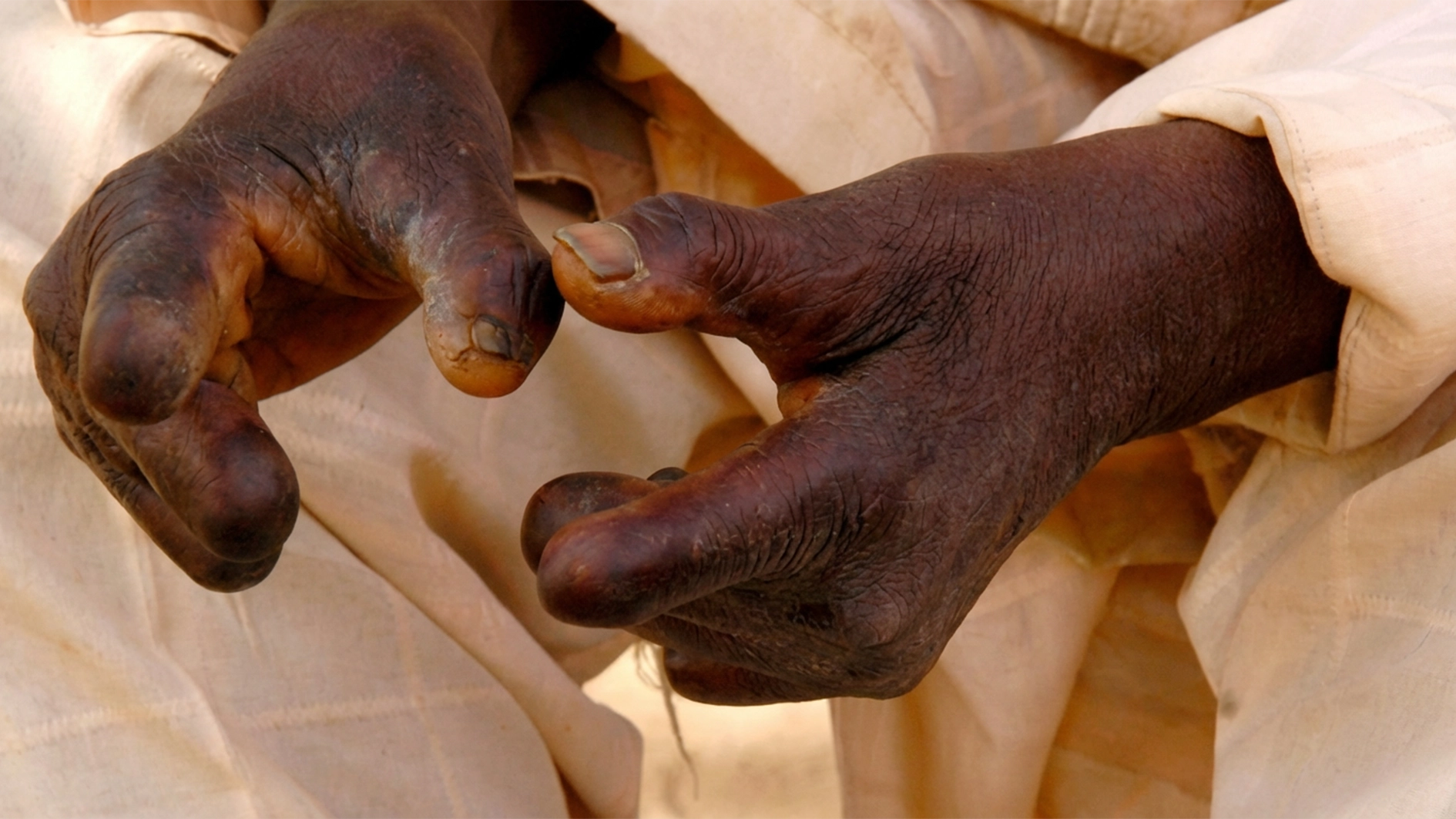
The World Health Organisation (WHO) has called for expanded access to treatment to speed up global efforts to eliminate leprosy, one of humanity’s oldest infectious diseases.
Leprosy, caused by the bacterium Mycobacterium leprae, primarily affects the skin and peripheral nerves. If untreated, it can cause permanent disabilities, stigma, and social isolation. However, it is curable through multidrug therapy (MDT).
In a message marking World Leprosy Day 2026, WHO Assistant Director-General for Health Promotion, Disease Prevention and Care, Dr Jeremy Farrar, noted that elimination efforts have reduced new cases in many regions. Of the 188 countries, areas, or territories that submitted data in 2024, 55 reported zero cases. Nonetheless, 172,717 new cases were detected and reported worldwide that year.
Farrar highlighted the role of pharmaceutical partners, particularly Novartis, in providing free MDT and clofazimine to leprosy patients globally. “WHO has collaborated with Novartis since 2000 to provide these treatments at no cost. This long-standing partnership remains one of the most sustained pharmaceutical donation programmes in global health,” he said.
Marking 25 years of collaboration, WHO and Novartis have extended their Memorandum of Understanding (MoU) for an additional five years (2026−2030).
The renewed agreement ensures the continued supply of MDT and funding for single-dose rifampicin (SDR) for post-exposure prophylaxis (PEP). Farrar described the partnership as “foundational to the progress made against leprosy,” transforming millions of lives and bringing the world closer to eliminating the disease.

The availability of free MDT has allowed patients to be cured, prevent disabilities, mitigate stigma, and continue working and leading normal lives. Clofazimine has been instrumental in managing lepra reactions, sudden, severe inflammatory episodes that can cause permanent disability if untreated.
President of Global Health at Novartis, Dr Lutz Hegemann, said, “Leprosy is one of the oldest infectious diseases known to humanity, and combating it has been part of our company’s history since the discovery of the first effective cure. Over the past 25 years, we have reached millions of patients with WHO and remain committed to a world free of leprosy.”
He stressed that while significant progress has been made, sustaining momentum requires political commitment, community engagement, and ongoing collaboration.
This year’s World Leprosy Day theme, “Leprosy is curable, the real challenge is stigma” underscores the persistent social challenges faced by patients. Hegemann noted that stigma often outlasts the disease, particularly for those left with residual disabilities. “Patients may face discrimination, forced divorce, lost educational opportunities, and unfair dismissal. Even after treatment, the pain of social exclusion continues,” he said.
2026 also marks the 25th anniversary of Mr Yohei Sasakawa’s work as the WHO Goodwill Ambassador for Leprosy Elimination, reflecting sustained advocacy and commitment to ending the disease. WHO emphasised that combining accessible treatment with efforts to reduce stigma is crucial to achieving a world free of leprosy.

