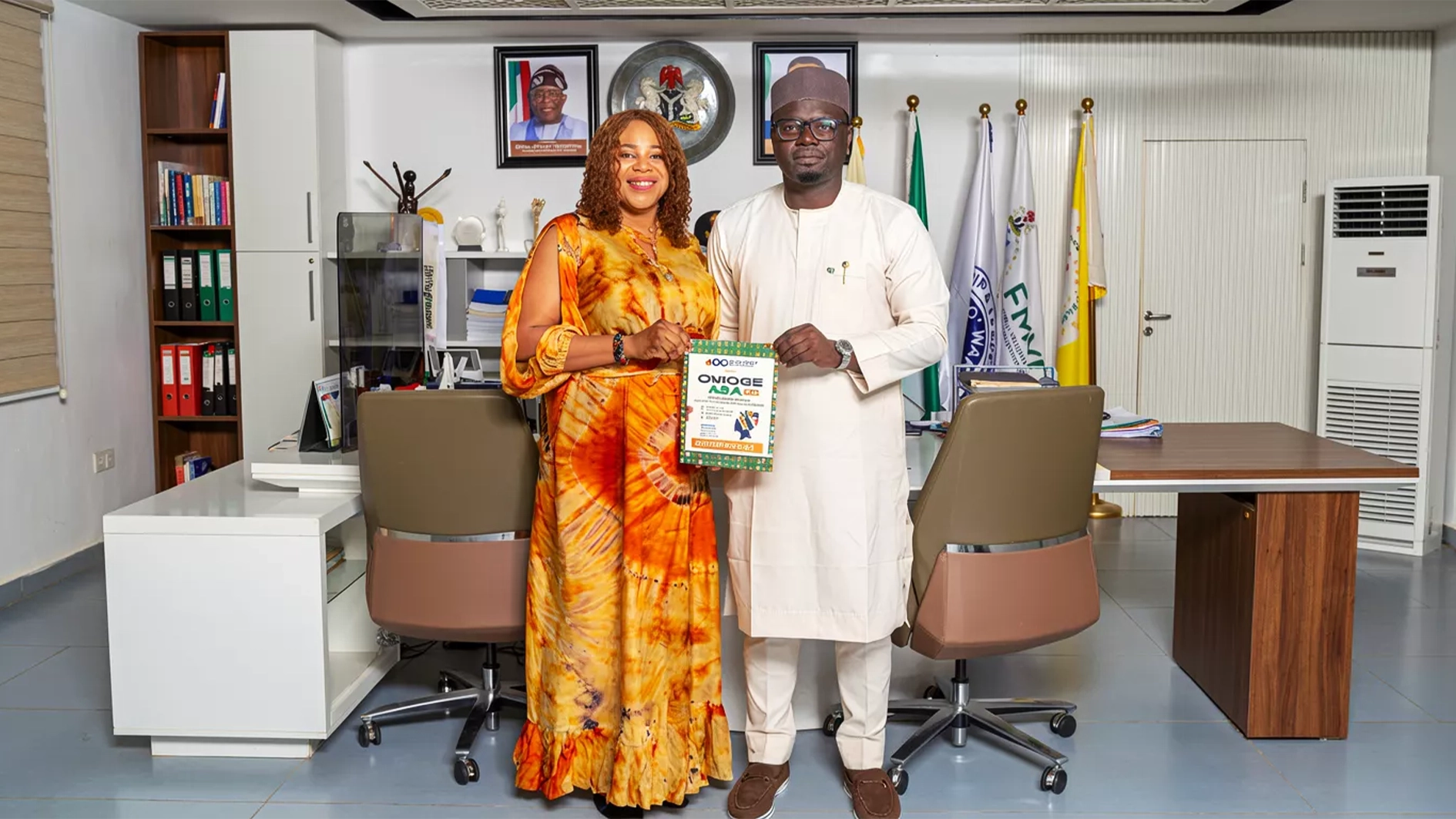
Dr. Onyinye Rosemary Asogwa continues to emerge as an influential voice in the fields of artificial intelligence, human-centred computing, and STEM education leadership. Her rapidly ascending career reflects exceptional academic achievement and a consistent record of contributions that have made a measurable national and international impact in technological research and application. Her work positions her as a highly influential scholar within the leading academic and technological market, emphasising responsible computing globally.
Asogwa’s foundational research addresses a critical worldwide challenge: Unfinished learning resulting from educational disruption. In the United States, this academic gap threatens significant economic stability, carrying an estimated annual cost of $128 billion to $188 billion to the workforce as students lack essential skills. Her objective is to provide scalable, data-driven solutions to enhance proficiency and instructional methodologies across various learning environments.
Her core contribution is the design and development of the doctoral-level research system, the Learning Explorations Accelerated Programme (LEAP) framework. This framework moves beyond simple instruction to support accelerated learning, engaging students directly with advanced content while strategically reinforcing necessary prerequisite knowledge. The LEAP framework is built with a view toward global scalability and adaptability. While aligned with the specific Alabama Course of Study (ALCOSM), the framework is engineered to be easily adapted to align with other state and national standards, including the Common Core State Standards (CC).
The rigour of the LEAP project is evident in its technical components. Asogwa conducted extensive analysis, applying a machine learning to teacher data to precisely determine target content areas, such as Algebra, that require specific instructional reinforcement. The application itself utilises a User-Centred Design (UCD) approach and a robust, modern technological architecture, including the FERN stack (Firebase, Express, React, Node) and ASP.NET MVC, ensuring the platform is highly scalable and reliable. The effectiveness and practicality of the framework were strongly validated in usability studies where 100 per cent of teachers surveyed confirmed they could see themselves utilising the platform in their classroom.
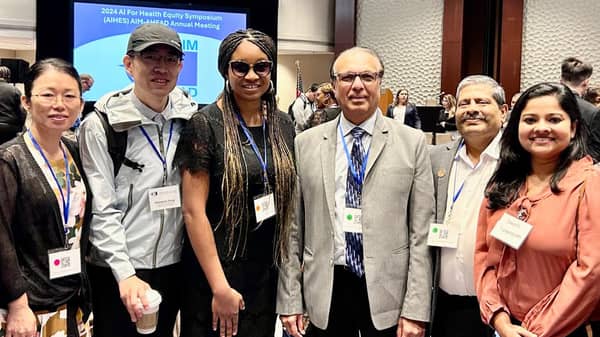
Asogwa’s influence is further demonstrated by her leadership roles in highly selective U.S. institutions and federally funded research programmes. She achieved distinguished recognition for her service as Programme Manager-Research for the NIH AIM-AHEAD DICB Programme, a major U.S. federal initiative dedicated to expanding AI infrastructure capacity. She currently holds a critical leadership role as Assistant Professor and Programme Coordinator of Computer Science at LaGrange College, where she is the principal architect leading the design and implementation of new Bachelor’s and Master’s programmes in Computer Science.
In her academic roles, she trains the next generation of tech leaders, emphasising human-centred design and ethical computing. Her record demonstrates sustained impact and influence within the world’s most competitive technology sector, providing a crucial, data-driven framework essential for technological and educational progress globally. When discussing the long-term impact of her research and leadership, Dr. Asogwa offered a concluding statement that encapsulates her mission:
“The bedrock of all human progress is learning not just accessing information, but mastering skills that propel society forward. Artificial Intelligence, when developed with a human-centred focus, is the most powerful tool we have to accelerate this mastery worldwide. The future of AI is collaborative, and it is imperative that young African scholars contribute their unique perspectives and intellectual power to this technology. Their involvement ensures AI systems are built for universality, integrity, and meaningful service to the global community.”