Nigeria is rated third out of 42 countries with high infant mortality rate. Republic of Congo tops the list with 60, 729 deaths, followed by Pakistan with 56, 888 deaths, according to the United Nations.
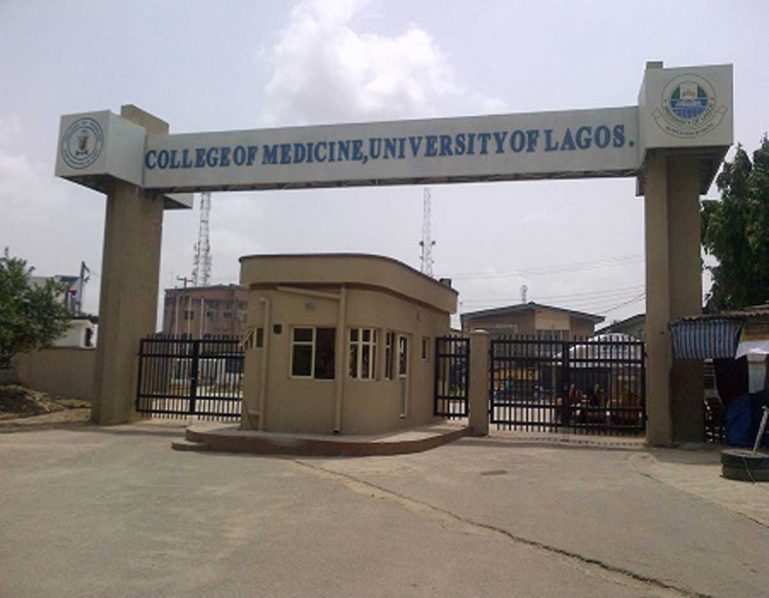
In his inaugural lecture at the University of Lagos, Bode said the surgical facilities in children-designated hospitals would save lives and reduce the over stretched facilities in the hospitals.
He noted that investment in the surgical care of children is a wise choice that would guarantee a healthy future for Nigeria.
As of 2019, infant mortality rate in Nigeria stood at 60.662 deaths per 1,000 live births, while in 2020, the rate reduced to 59.181 deaths per 1,000 live births.
In 2021, it further reduced to 57.701 deaths per 1,000 live births, just as the rate trimmed to 56.220 deaths per 1,000 live births in 2022.
Bode, who is also a professor of pediatric surgery, emphasised the need to promote the training of frontline healthcare workers on the early recognition and proper handling of paediatric surgical emergencies.
While noting that Nigeria must decide who pays for healthcare, he disclosed that quality healthcare services is a treasure-trove that would attract investors if properly configured.
The expert disclosed that universal coverage through the national health insurance service would allow hospitals to receive fair pay for services rendered to patients.
This, he believed would allow Nigeria to retain its healthcare workforce and strengthen health facilities to meet global standard, adding that government would reap tax returns from the health sector.
Bode called on the Federal, States and Local Councils to increase investment in the training of specialist in various specialty of surgery.
This is even as he appealed to the government to initiate action plan that would retain Nigeria’s health workforce, which he believed would reduce brain drain in the sector.
The Professor of surgery sought for increased funding to public universities, lamenting that tertiary institutions are still using 1970s Marxist ideology to dictate how schools should operate.
“Our union should think out of the box and stop holding the educational and health sector back from growing. Nothing good is free especially in this unapologetic era of global capitalism,” he added.
Bode hinted that universities should de-emphasise government handouts, advocating the need for game-changing leadership from the ivory towers.
He stated that recently, the clamour for male circumcision was revived as part of the strategies for preventing the spread of HIV/AIDS.
The expert further disclosed that it decreases the risk of urinary tract infection in infancy, adding that it also reduces the risk of cervical cancer and some infections in female partner.
Bode said that circumcision helps to maintain good genital hygiene in male and prevents balantis, balanoposthtitis, para phimosis and phimosis.
He pointed out that cancer of the penis is uncommon in circumcised males, noting that during circumcision, the removal of the penile foreskin and control of bleeding should be accomplished.
While harping on the need to prevent infection during circumcision, Bode disclosed that in some parts of Nigeria, circumcision is performed by traditional surgeons who use less than sterile instruments between children.
He noted that in the metropolis, circumcision is mostly carried out by doctors and nurses often without any formal training, lamenting that problems arise from the performance of circumcision by untrained hands.