Healthy foods could lead to overeating, say researchers Making and keeping New Year’s Resolutions… A study published in the journal Sleep and reported by Medical News Today shows that weight loss due to dietary changes can improve sleep habits at any weight, making people feel more energetic and able to exercise. PHOTO: google.com/search [/caption]WHAT is your New Year’s resolution? Top on the list for most people is to lose weight and get fit. However, some recent research findings promise to help people keep their resolutions.
A study published in the journal Sleep and reported by Medical News Today shows that weight loss due to dietary changes can improve sleep habits at any weight, making people feel more energetic and able to exercise.
A change to a healthier diet rather than actual weight loss can make people feel more energetic and inclined to exercise.
Also, according to new research, foods portrayed as healthy may lead to overeating and contribute to weight gain, In the Journal of the Association for Consumer Research, investigators found that if we perceive a certain food to be healthy, we are likely to consume more of it. Previous studies have linked obesity with persistent sleepiness, lack of energy during the day and poor sleep quality, all of which can be successfully combatted with weight loss treatment.
But until now, researchers have known little about the link between excessive weight, poor dietary habits and sleep/wake abnormalities.
Poor sleep is associated with impaired cognitive function and a number of chronic health problems, including depression, obesity and hypertension.
Researchers from the Perelman School of Medicine at the University of Pennsylvania, United States (US), wanted to gain new insights into how weight fluctuations impact numerous aspects of sleep independent of body weight.
The team studied obesity using diet-induced obese mice. Half of the mice were randomly chosen to receive regular chow (RC), while the others were fed a high-fat diet (HFD), more than three times higher in fat content, for eight weeks.
After week eight, some of the mice were switched to the alternative diet for a week, causing newly fed HFD mice to gain weight and newly fed RC mice to lose weight, while the remaining mice continued with the diet they had been on. After week nine, the mice on the HFD weighed 30 per cent more, slept more than one hour longer each day and more frequently slipped into sleep than those on the RC diet.
Both “diet switch” groups, however, had similar body weight at week nine but completely different sleep/wake profiles from each other. The mice that ate the RC diet for only a week showed the same sleep/wake profile as mice that ate the RC diet for nine weeks.
In other words, it was the diet consumed during the final week that was driving the sleep effects, regardless of the starting body weight, a finding that also has implications for individuals who are not obese or overweight. The study’s lead author, Isaac Perron, a PhD student in Neuroscience at the University of Pennsylvania, says: “Our findings suggest body weight is a less important factor than changes in weight for regulating sleepiness. […] If you are overweight and often feel tired, you may not need to lose all the weight to improve sleep, but rather just beginning to lose that excess weight may improve your sleep abnormalities and wake impairments.”
The authors suggest that dietary changes could make individuals start to feel more awake during the day and motivate them to live a healthier lifestyle.
Co-author Dr. Sigrid Veasey, a member of Penn’s Center for Sleep and Circadian Neurobiology, hopes the hypothesis that a healthier diet can improve alertness and sleep patterns will be tested on humans, as she says it is “extremely important.”
According to the co-author of the second study, Jacob Suher and colleagues, from the University of Texas-Austin, their findings support the “healthy equals less filling” theory – the idea that we consume healthy foods in larger amounts because we consider them less filling than unhealthy foods.
Researchers say foods portrayed as healthy are often viewed as being less filling, causing us to eat more.
High-fat diet leads to sleep disruption; diet switch reverses it
Want ideal New Year’s resolution? Switch diet to improve sleep, get fit
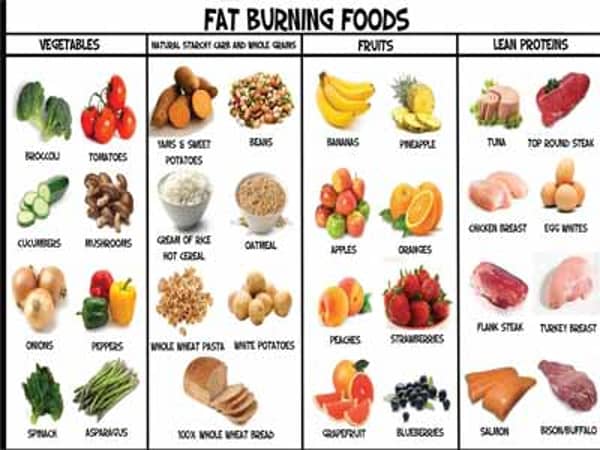
Making and keeping New Year’s Resolutions... A study published in the journal Sleep and reported by Medical News Today shows that weight loss due to dietary changes can improve sleep habits at any weight, making people feel more energetic and able to exercise. PHOTO: google.com/search
Making and keeping New Year’s Resolutions... A study published in the journal Sleep and reported by Medical News Today shows that weight loss due to dietary changes can improve sleep habits at any weight, making people feel more energetic and able to exercise. PHOTO: google.com/search