 Follow Us on Google News



 Follow Us on Google Discover
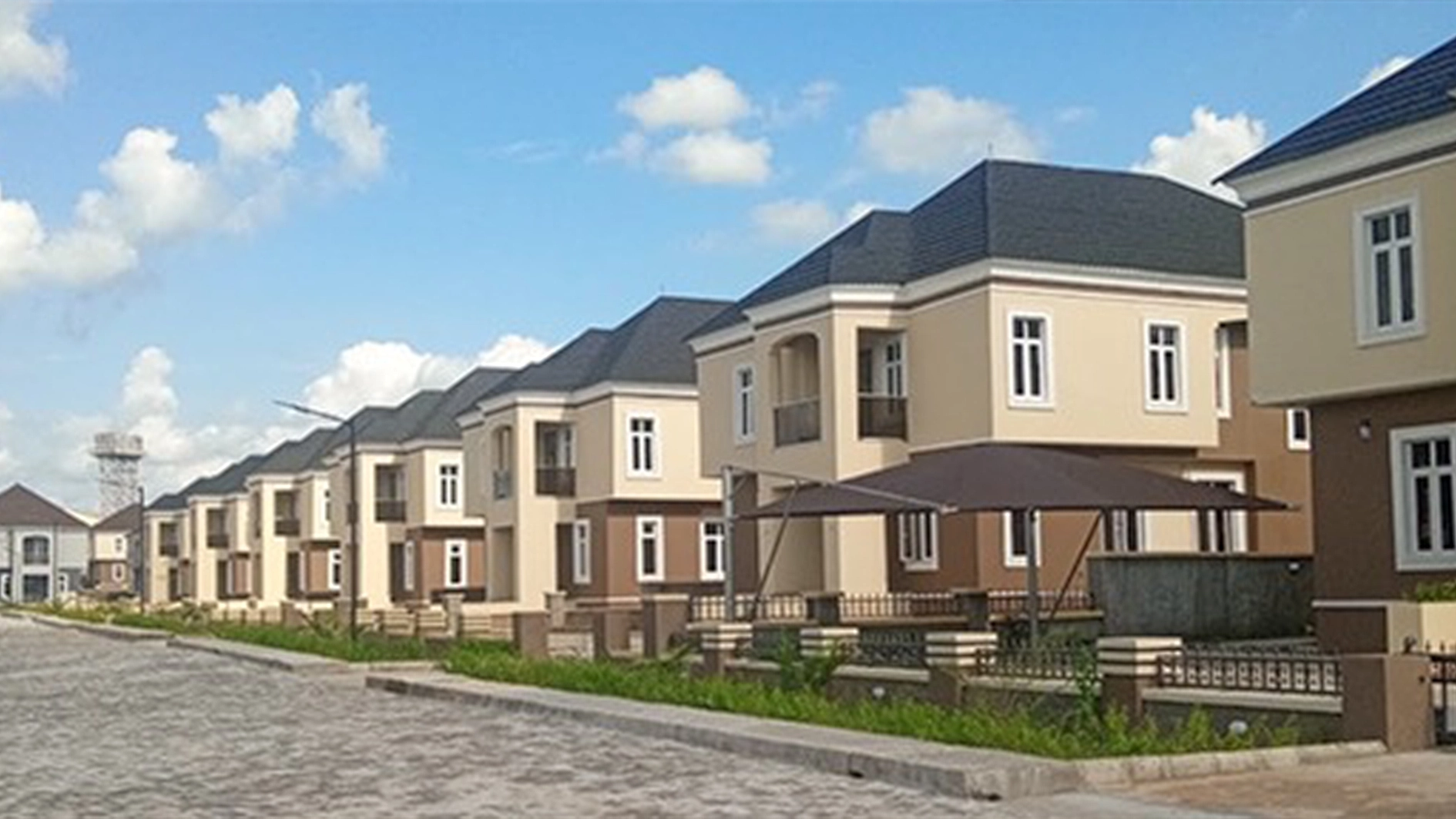
Landlords in Nigeria have revealed why they keep increasing house rents, lamenting the country’s economic hardship and cost of maintenance.
The Guardian recently gathered that some landlords, grappling with inflation and rising costs of living are increasing rents to cover higher maintenance and household expenses.
Speaking to the Guardian, a retired civil servant and property owner, for instance, said he built houses as a retirement investment but now has to raise rents as his costs increase.
While tenants complain about rent increases, landlords and developers argue that they are also operating in an increasingly expensive housing-production environment.
According to the property owners, the cost of construction and maintenance has risen sharply, driven by inflation, materials, labour, energy, transport, exchange-rate pressures and high borrowing costs.
Market reports in 2026 indicate that rents in major Nigerian cities have risen by 15 to 75 per cent year-on-year across residential segments, driven by housing shortages, urban migration, inflation and speculative pricing.

Building costs have also surged, with cement rising from N2,500-N3,000 a bag in 2020 to N12,000-N15,000 in 2026, while housing supply has remained stagnant and Lagos’ deficit grew from 2.95 million to 3.4 million units.
Earlier findings also showed rents and property prices rising faster than wages, with some locations recording increases of more than 100 per cent over relatively short periods.
In Ejigbo, Lagos, some landlords have reportedly issued tenants notices to renovate their properties before re-letting them at substantially higher rates.
Houses previously rented for N500,000 to N700,000 yearly are now being re-let for N2.5 million, N3 million and as much as N5 million, excluding agency fees, agreement charges and caution deposits.
In Mushin, rents for houses previously ranging from N300,000 to N2.5 million have risen to between N1 million and N3.7 million, while a self-contained apartment now attracts about N1 million annually.
In Surulere, a two-bedroom flat costs about N5 million a year, compared with N1.5 million to N2.5 million for similar accommodation in Abule Egba.
Developers also face land acquisition, title documentation, planning approvals, development charges and the cost of providing infrastructure such as roads, drainage, water and electricity. These expenses eventually feed into house prices and rents.
The Co-founder of Rethinking Cities, Mr Deji Akinpelu, told The Guardian that many landlords, particularly those in the diaspora, benchmark their returns in dollars and raise naira rents as the currency depreciates.
“The deeper cause, though, is that housing has become an asset market detached from local incomes. Lagos’s price-to-income ratio is 19.2 times, driven by infrastructure and location premiums rather than income growth,” he said.
“Public investment ends up raising private land values, evictions destroy the cheapest homes, and empty buildings are held as stores of value.”
Akinpelu said rising transport costs had also eroded the savings from moving to cheaper locations. “For middle earners, moving out from a location changes where the cost falls rather than removing it. A commute from Ajah to Ikeja can take three hours each way.
“The bigger danger is that rents near BRT corridors and the Red Line are rising fastest. Without land-value capture and inclusionary zoning around stations, new transit will push out the very people it was built to serve,” he said.
Speaking on behalf of property owners and landlords, Akinpelu also criticised Lagos State’s land policies and charges, saying the 2026 Blue Book had raised land valuations by 300 to 525 per cent, increasing fees tied to those valuations.
He contrasted one-bedroom units on state land with subsidised infrastructure, costing N8 million to N9 million, with comparable PPP units at about N22 million.
Former First Vice President of the Nigerian Institution of Estate Surveyors and Valuers (NIESV), Mr Osita Okoli, similarly linked rising rents to inflation, stagnant wages and the housing shortage.
“The major factors for the expanding chasm between rents and household incomes in Nigeria are the unprecedented inflation arising from the sudden announcement of fuel subsidy removal, the negative effects of which have lingered since 2023, and relatively stagnant wages across most states, barring a few and some private-sector employers,” he said.
Okoli said inconsistent government policies and excessive charges on land transactions had further increased the cost of housing provision. He called for streamlined, technology-driven land administration to boost housing supply and moderate rents and construction costs.
“Ultimately, a review of the land tenure system, including the Land Use Act of 1978, is imperative,” he said, advocating an end to the system vesting control of land in state governors, which he said had created opportunities for exploitation and hindered housing development.
Chairman of the Ogun State branch of NIESV, Adeolu Adejimi, said rents in some neighbourhoods had nearly doubled while average wages had increased by only about seven to nine per cent.
He attributed the crisis to rapid urbanisation, inadequate housing supply and rising construction costs, adding that landlords sometimes increased rents based on perceptions of inflation rather than the actual value of their properties.
Adejimi said Nigeria needed about 15 million additional homes but was building only about 70,000 units annually.
“Landlords know people are desperate, so they hike prices based on the perception of inflation rather than what the property is actually worth,” he said.
Adejimi said high development charges, lengthy approval processes and inadequate infrastructure also pushed up housing costs, with developers often required to provide roads, transformers and drainage systems themselves.

