

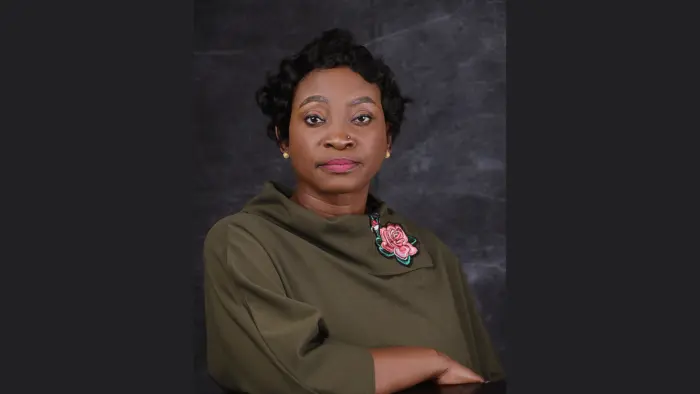
Catherine Nwajei is a community leader with almost 20 years of experience spanning brand management, strategic planning, and humanitarian program execution. She is an Executive Director at Washaman Drycleaners and Founder of a Startup agricultural business. She has also built an equally prominent career in the nonprofit sector serving as Programme Director at Ruthsville Foundation.
A fellow of several professional bodies, including the Institute of Management Consultants and the Chartered Institute of Contract Project & Facility Management, Nwajei has spent two decades building partnerships between corporate and community sectors, championing causes that empower women, girls, and underserved communities across Nigeria. She shares her philanthropic journey in this interview.
You show so much interest in things that concerns catering to the needs of children, girls and women empowerment. What inspired this?
As a young child I was drawn and aware of children around my surroundings who did not have the same privilege like me. I recognised a gap in the system. As I got older, I realised that even in Western countries, children can still be left behind due to policies, politics and economic reforms. I found young people approaching me with ease and trusting me with personal matters I was helping to solve. At that moment I realised I needed to put this into a structure and birthed Ruthsville Foundation in 2019.
What do you do at Ruthville Foundation and how has the journey been so far?
Ruthsville is formed from the story of Ruth in the Bible. An outcast and outsider who found favour with God and ended up on the lineage of Jesus. I use this story to encourage everyone that their story can change and they don’t need to accept their defeat as a victim. Yes, you can cry but after that get yourself back up and start again, no matter how hard. Ruthsville focus is on girls, women and youths because they are the most vulnerable in any society. The focus is on children left behind by female inmates, child brides, single mothers and modern-day slavery in the form of domestic staff. For youths, we can’t only focus on the girl child. If the boys are not guided, we are training girls to be wives to mummy’s boys, wife beaters, irresponsible men, etc. Ruthsville is focused on building a Social Enterprise Project – an orphanage and women’s shelter first in Ogun Sate. The focus of the orphanage is to house neglected children of female inmates serving time and to keep the bond of mother and child which should never be broken. For the shelter it will serve as a safe haven where women will not be on the streets with their children. It is a customised program for each participant to rehabilitate them, build them up in skills and settle them in jobs/small businesses and their own residence within a certain period of time. During their stay the women will work, earn a living and prepare to go back into the society more independent. The children will be cared for and will attend school during this period.

What is the goal of your organisation?
The main goal is to duplicate this social enterprise project in every state in Nigeria. Also to network with both local and international organisations to improve the quality of live for women and girl. There are also some outdated laws which need to be eliminated or replaced through our legislative arm as well as the Senate. It’s not a one-day exercise but over time with better awareness we can achieve this as a community.
Can you share the achievements you’ve made since you started Ruthville Foundation?
In 2020 Ruthsville received an early grant from US Mission Nigeria to help with a local community Monkey Village Opebi Lagos that had been displaced. We made new school uniform for the children, new school bags, and all writing materials including note books. We also rehabilitated the school toilet and donated hygiene products in line with WASH goals especially after coming out of COVID 19. The head of house (parents) were also trained in skills to be more marketable and manage finances better. This period thought me that just a little change goes a long way in impacting the lives of vulnerable people. We currently have five young people under our scholarship scheme in various universities. Some have tuition sponsorship while others have welfare in terms of provision, allowance, project sponsorship, etc. It’s also notable to say that we have had sponsors (individuals and organisations) from the very beginning who believe in this dream and they are still supporting our mission. Thank you all for your support.
What do you like most about the work you do?
I’m passionate about what I do. It’s not something I need to be asked twice about. If I’m able to sort it out I will, or refer the victims to an organisation that can help. The most rewarding thing to see is the positive impact. The people we help don’t have much to give and we are not expecting gifts from them. However, the little gifts of a can of malt, a bottle of ground nut are received with much appreciation because it was given from the heart.
What are the challenges facing NGOs in Nigeria and what is the way forward?
I work with a number of community-based NGOs in Nigeria. The average person believes an NGO is a politically affiliated organisation. Sometimes when we go out to communities with palliatives or free medical services, they believe it’s scarps we bring from funds received from the government or a foreign sponsor. It’s hard for them to understand that total strangers just want to impact their lives without any political association. I really don’t know where this narrative started from or how we can change it. If the local communities don’t trust us, how do we really make a difference.
Where do you see Ruthville Foundation few years from now?
In the next five years, Ruthsville’s Social Enterprise Project should be operating across two to three South-West states. A few years from then, it should have moved into Eastern states and at least two northern states. Ruthsville should be able to outlive the Founder and be a recognised and reliable partner with various local and international agencies. The scope can grow as the needs arise. It should be relevant even 50 years from now.
