 Follow Us on Google News


 Follow Us on Google Discover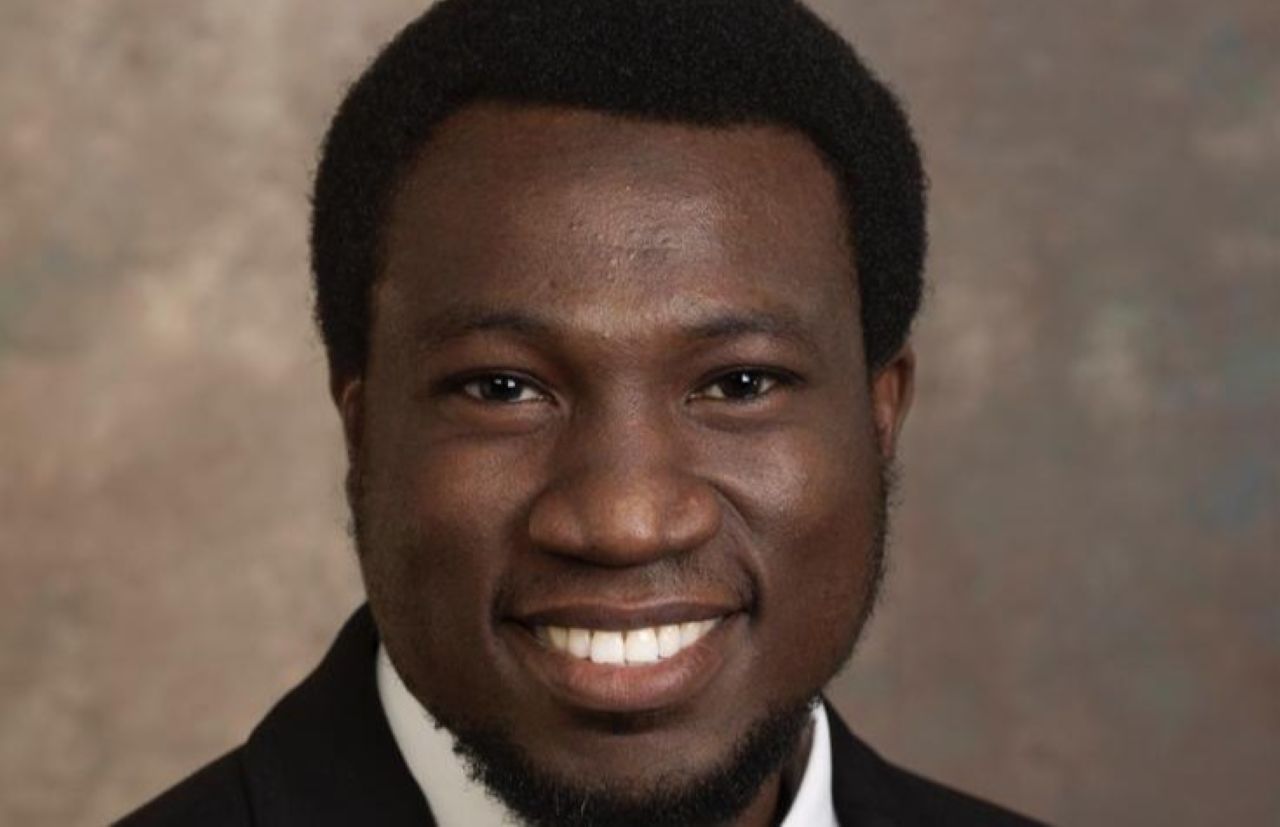
 In an eye-opening study that sheds light on a growing crisis in higher education, Abdulrasheed Dawodu, an experienced public policy analyst and urban planner, has revealed the harsh realities of housing insecurity faced by African graduate students at the University of Delaware (UD).
Dawodu, a graduate student at the time at UD, in a broad research observed by this news medium, conducted a comprehensive analysis of housing challenges that have impacted academic performance, mental health, and overall well-being for a significant portion of the student population.
[ad]
According to him, “Housing insecurity is more than just a lack of stable accommodation; it’s a silent crisis that disrupts academic success and personal well-being,” Dawodu said.
His research highlights the struggle of African graduate students, who are particularly vulnerable to Newark’s high rental costs and limited affordable housing options.
According to Dawodu’s findings, 19% of surveyed African graduate students reported experiencing housing insecurity during their time at UD. This insecurity directly affected their academic performance and health, underscoring the profound consequences of inadequate housing.
He noted that even more alarming, over 80% of respondents admitted to spending more than 30% of their income on housing-related costs—a standard benchmark for financial strain—while 79% reported experiencing financial difficulties due to these costs.
These challenges are compounded by UD’s on-campus housing capacity, which accommodates only 38% of undergraduate students, leaving the majority to rely on the local housing market.

“The university’s policy of not expanding dormitory facilities places undue pressure on students, forcing them to compete for housing in an already strained rental market,” Dawodu explained.
Newark, Delaware, where UD is located, faces significant challenges in providing affordable housing.
With rental prices soaring and a shortage of affordable units, students often find themselves at the mercy of landlords in an inflated market. Dawodu’s study not only exposes the magnitude of the problem but also advocates for actionable solutions by drawing on affordable housing initiatives implemented at other institutions.
As a policy strategist with over 14 years of experience spanning government, telecommunications, and urban planning, Dawodu is no stranger to tackling complex social issues.
His work as a Planner II at the City of Wilmington’s Department of Land Use and Planning has further honed his expertise in addressing housing shortages and developing strategies for urban development.
“Affordable housing isn’t just a dream; it’s a necessity that higher education institutions must prioritize to support their students,” Dawodu emphasized.
The significance of this study extends beyond UD, providing valuable insights into the broader challenge of housing insecurity in higher education
As universities across the United States grapple with similar issues, Dawodu’s work underscores the urgent need for systemic change. Similarly, in Nigeria, the issue of homelessness among students is becoming prominent and could be addressed with some of the policy recommendations in Dawodu’s research.
Dawodu’s research calls for a reimagining of university housing policies and partnerships with local governments to create sustainable, affordable housing solutions.
His research serves as a rallying cry for higher education institutions to prioritise student housing security, ensuring that no student has to choose between academic success and a place to call home.
[ad]

