GDN SIDEBAR
Eid al-Fitr is one of the most important celebrations for Muslims, marking the end of Ramadan, a month of fasting, prayer, and reflection.
Across Nigeria, the day is observed with prayers, food, family gatherings, and acts of kindness. While the core religious practices remain the same, the way Eid is celebrated often reflects the rich cultural diversity of the country.
From the North to the South, each region has its own unique celebration.
Eid prayers and early morning routines
The day begins early, with Muslims preparing for the special Eid prayer. Before heading out, take a bath, wear clean or new clothes, and eat a light meal like dates or simple food to mark the end of fasting.
Large congregational prayers are held in mosques or open fields, where thousands gather. The atmosphere is often calm but joyful, as people greet one another and thank Allah for the strength to complete Ramadan.
After the prayer, sermons are delivered, reminding worshippers about gratitude, unity, and compassion.

Northern Nigeria: Durbar and rich traditional meals
In Northern Nigeria, Eid is often referred to as Sallah, and the celebration is always grand. One of the most notable traditions is the Durbar festival, especially in cities like Kano, Katsina, and Zaria.
The Durbar features colourful horse parades, with emirs and traditional leaders dressed in royal attire, surrounded by horse riders. It is both a cultural and historical display that attracts large crowds.
Food is also a major part of the celebration.
Families prepare large amount of meals and share with guests, neighbours, and those in need.
South-West: family visits and local delicacies
In South-West Nigeria, Eid-al-Fitr is popularly referred to as Itunu Awe. The celebrations focus more on family gatherings and community bonding.
After prayers, people visit relatives and neighbours. It is common to see children receiving gifts or money, often called “Owo Odun.”
Many households prepare a mix of traditional and modern meals to entertain guests throughout the day.
South-East and South-South: smaller but vibrant gatherings
In the South-East and South-South regions, where Muslims are fewer in number, Eid is celebrated within smaller communities.
Muslims still gather for Eid prayers in central mosques and then return home to celebrate with family and friends. In some cases, celebrations are shared with non-Muslim neighbours, reflecting a sense of unity and coexistence.
Food remains an important part of the day, with dishes like rice, stews, and local soups being served.
Sharing food and giving to others
One of the key parts of Eid across Nigeria is sharing. Many families prepare extra food to give to neighbours, friends, and people in need.
Before Eid, Muslims also give Zakat al-Fitr, a form of charity meant to ensure that everyone has something to eat during the celebration.
In many mosques, food items are distributed to the less privileged, and some communities organise feeding programmes so that no one is left out.
This act of giving reflects one of the core lessons of Ramadan — caring for others.
Dressing up and social celebrations
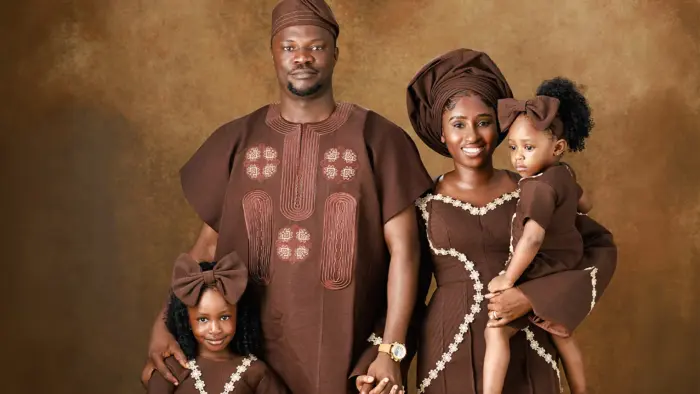
Eid is also a time when people dress their best. New clothes are common, especially for children, who look forward to the day with excitement.
Social activities continue throughout the day, including visiting friends and extended family, hosting guests, taking photos, and attending small gatherings or outings. In urban areas, some people also go out to restaurants or recreational centres to celebrate and take pictures.
A celebration of faith and community
Despite the differences in culture and food, the essence of Eid al-Fitr remains the same across Nigeria. It is a day of gratitude, joy, and reflection after a month of spiritual discipline.
It brings families together and reminds people of the importance of generosity and kindness.