GDN SIDEBAR
NEED TO KNOW
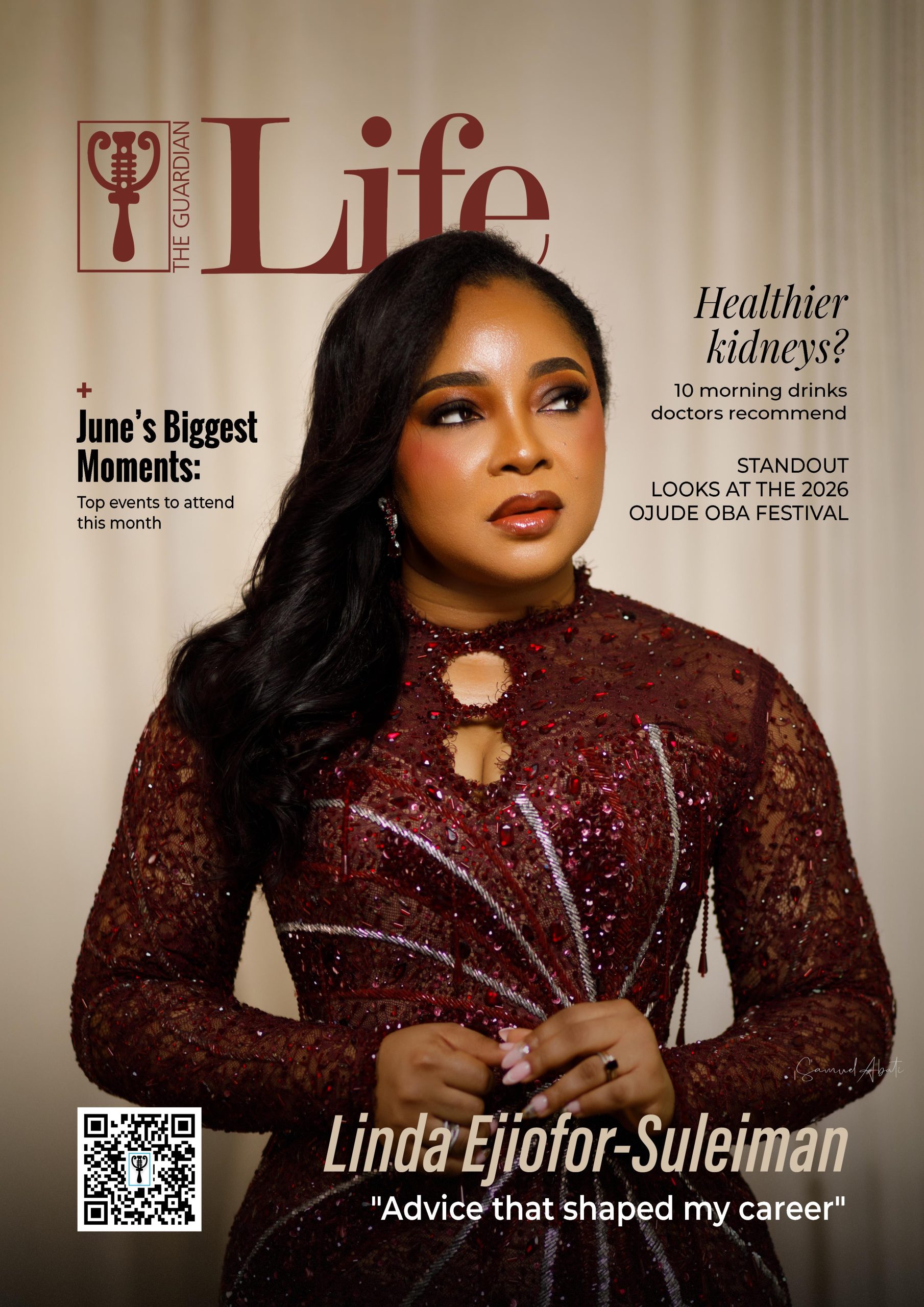
- Linda Ejiofor-Suleiman made AMVCA history in one night, winning Best Lead Actress for The Serpent’s Gift and Best Supporting Actress for The Herd.
- Linda first gained national attention for playing Bimpe Adekoya in the M-Net series Tinsel.
- She won her first AMVCA in 2015 for The Meeting.
- Linda married fellow actor Ibrahim Suleiman in 2018, and they welcomed their son, Keon Iman Suleiman, in 2020.
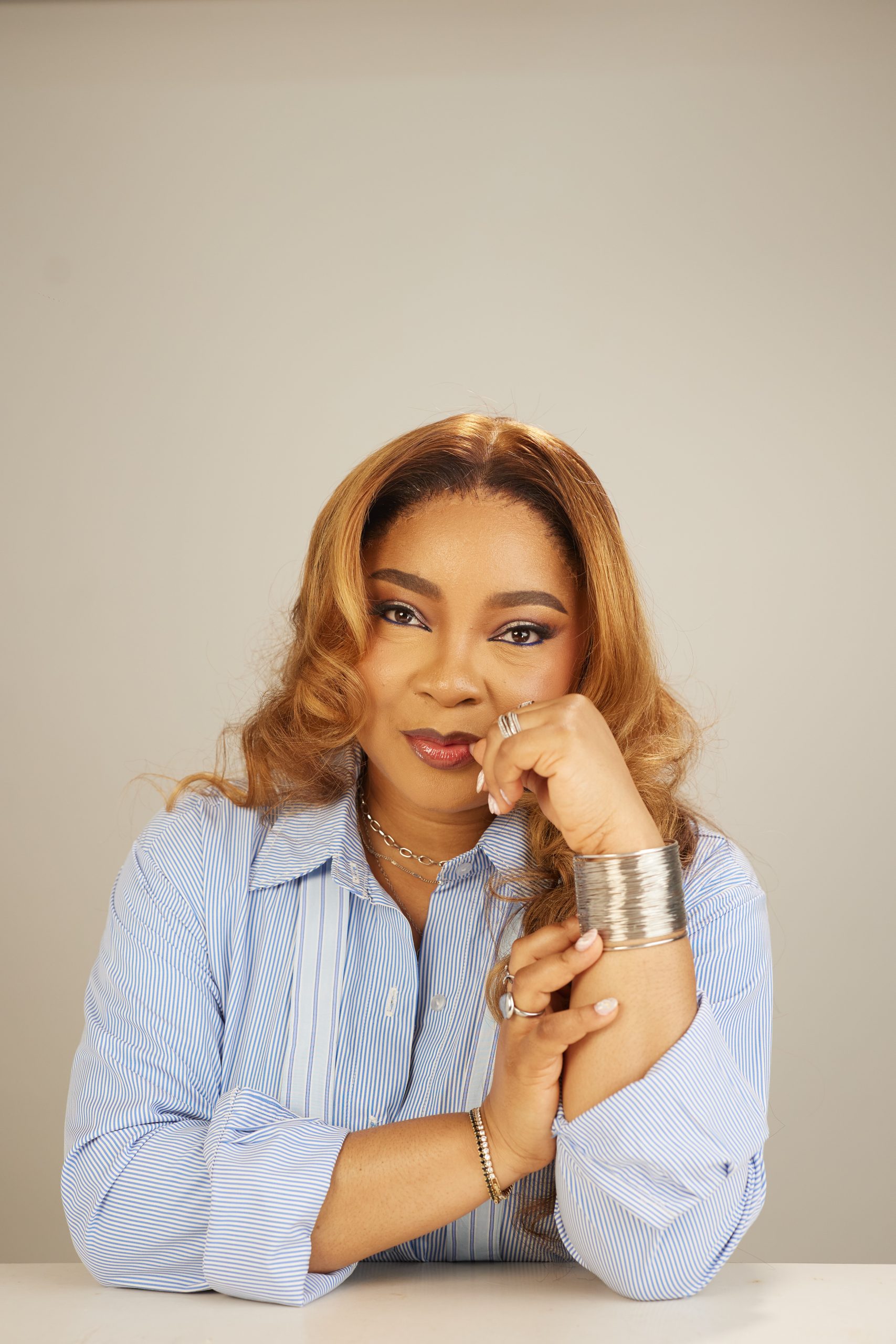
Linda Ejiofor-Suleiman did not just win two AMVCAs. She entered a rare global class.
At the 2026 Africa Magic Viewers’ Choice Awards (AMVCA), she became the first actor in AMVCA history to win both Best Actress and Best Supporting Actress in one night. Before her, only Sigourney Weaver and Kate Winslet had achieved that kind of double acting win on a major awards stage, for work released in the same year under review.
Speaking exclusively with Guardian Life, Linda opens up about the years she felt overlooked, the fear of becoming irrelevant, the discipline that shaped her career, and the historic AMVCA night that finally changed everything.
After making AMVCA history in one night, what changed in your everyday life?
The first thing was that people started seeing me differently. I was getting a lot of what I prayed for and asked God for, which was recognition. People were finally saying, “Okay, yes, this lady can really act.”
I got the validation from people that I had been looking for because, at some point, I started doubting myself when I was not getting that validation. Sometimes, when you have worked for a very long time, or you have been shooting for a while, nobody says, “Okay, let’s call Linda. Linda can play this role.” Other people got those roles.

But when I eventually got roles I thought were challenging enough and gave it my all, I got validation from people. Not just the awards, but people seeing me on the road and saying, “Oh my goodness, you deserve it. You are so good. You are such a fantastic actor.” So, yes, that is what changed.
Do you think your price will go up because of these awards? Will you also become more selective with roles?
As an actor, your job is to make sure you give an amazing performance no matter the role, whether it is a cameo, supporting role or lead role. Even before I got the award, I always selected what I wanted to be part of. I wanted stories that could touch lives, make an impact, and evoke feelings in people. Stories people could relate to.
That is why The Herd and The Serpent’s Gift were very special to me. The Meeting, where I got my first award, was also very special to me.
Luckily for me, I have not gotten any role that I had to turn down because it did not align with my values or what I wanted to shoot. I have always gotten scripts that were relatable and emotionally driven.
As for my price, of course, it would improve, but not in a way that would price me out of the market.
Some people online said other actors deserved the award more than you. What is your reaction?
I am human. At first, it hurt that people could still say that, but I am grateful that it was a jury-selected award, not just people who would come and pick whoever they wanted. So, I would take the words of the jury and believe what they said because it was not only Nigerians on that jury. It cut across Africa.
Do you desire to win this award again?
Yes, everybody would desire to win something they have won before again, just to say, “You know what? I am still grateful to God. I am good at this. God sees me, people see me, and I am killing it in my industry.”
You and Ibrahim Suleiman have built one of Nollywood’s most admired marriages. How do you protect love from public pressure?
Before we got married, we talked about everything. We knew that whatever we did, whenever there was work, we had to separate work from family. So, we do not bring work home. Even if we do, it is just to get advice from the other person.
I have been in the industry longer than he has, but I take his advice seriously. He is such a good listener, and he understands things deeply. I have someone I can talk to about anything, and I believe he can talk to me about anything, too.
I am so grateful that I ended up with a man who is in my industry and who is very understanding. We do not let anything come between our love. We talk about everything.
Looking back at the Pakurumo video and your AMVCA wins, did you ever think you would come this far?
Everything has its way of getting to where it is supposed to get to eventually. It was 2011 when I shot that Pakurumo video, and I was just coming up. I was a fresh new actress on the block.
I did not even know how big the song was going to become. I did not know how big Wizkid was going to become either. But I am happy that I was part of that music video, and I am happy to see the growth from then till now.
There is a growing conversation about actresses being boxed into certain roles once they become wives or mothers. Have you ever experienced that limitation?
No, I have not. After I had my son, I played a single lady who was not married. In Something About the Briggs.
In The Serpent’s Gift, she just got married to an older man and did not have kids. So, yes, I have not been boxed into playing only mothers.
You have managed to stay relevant without being involved in controversies. How have you been able to do this?
One very important thing is always remembering where I started and where I come from. My journey into acting was not smooth at first. After JAMB, I started a Theatre Arts diploma at UI, but my father found out and immediately pulled me out because he did not want any of his children to become actors.
I later studied Sociology at Unilag and started commercial modelling after school, doing billboards and TV commercials. A friend then told me about an audition for Tinsel. At first, I refused because I still remembered my father’s warning, but I eventually went because the money sounded good.
I did not get a callback until one year later while serving in Jigawa. I took a night bus back to Lagos for another audition, and that was how I got the role. For a whole year, I travelled between Lagos and Jigawa filming Tinsel while doing NYSC, and only my mum and siblings knew because my father had already said none of his children would act.
Eventually, I had to tell him because he was about to get DStv. I thought he would be angry, but instead, he told me something that stayed with me forever. He said, “You have done this for one year with no negative publicity. Remember where you are coming from. Remember your family values.”
That became my guiding principle. I decided that if I could make my father proud for one year, I could do it for the rest of my career. That has been my secret. I never want to disappoint him.
But controversy sells in Nigeria. People create controversy to sell films and stay relevant. What do you think about that?
Controversy sells in Nigeria, but it also sticks to you for the rest of your life. Social media and the internet do not forget.
You may be doing it now, but 20 years from now, when you have changed your ways, your children may open the internet one day and Google you. That may be one of the things they will see.
I do not want that to be what my children will read about me. I do not want anything controversial about me to be what they see when they open the internet. That is not the legacy I want to leave behind.
The Herd and The Serpent’s Gift felt emotionally heavy. What part of those characters stayed with you after filming?
What stayed with me was the pain of those women. In The Serpent’s Gift, my character was not allowed to grieve her husband because her in-laws were fighting her for inheritance. That broke my heart because many women can relate to that experience.
With The Herd, the story felt very close to home because it speaks to Nigeria’s insecurity and kidnapping crisis. I put myself in the character’s shoes, especially during the bank scene, and thought, “God forbid, what if this were Ibrahim?” It broke me.
After that scene, I had to take a moment to get myself together. It was that emotional.
Has there ever been a particular role you rejected?
I would not say I have rejected a role. Sometimes, it just does not align with my timing, especially when I am already filming another project.
I always want to give my all to any production I am part of. So, if I take a role, it has to be something I can fully commit to. The only time a role does not work for me is when it does not fit into my timeframe.
At this point in your career, what scares you more: failure, irrelevance, or being misunderstood as an actress?
Failure scares me because I worry that when people watch a film I am in, they may not love it. I would feel like I failed in that aspect and that I did not deliver.
Being irrelevant also touched me a lot. I went through it about three years ago. I said that on stage when I won my first award. I remember that three years ago, my career was stagnant. I had a conversation with my husband and also with God because I felt like I was not getting the roles that would challenge me. I just felt like I was there.
When I had the conversation with my husband, he told me that there is always a season for everyone. People have their seasons, which I used to tell him then, but I think I forgot at some point. He reminded me that my season would come and that I should also remember to talk to God.
That was why I went to God. I had a conversation with Him and said, “God, this season is taking forever. It is time.” It had been over a decade since I won my last award. That is not necessarily the only standard for being recognised, but I wanted something. I wanted something people would see and say, “Oh my God, she was amazing in it. She is such a fantastic actress.”
After that, God gave me two movies, The Herd and The Serpent’s Gift. They were both challenging roles, and both films I wanted to be part of because they were talking about things happening in Nigeria that people could relate to. When I got them, I was so grateful. I felt like God really answered. God really hears.
The last thing is being misunderstood. Everybody goes through that, even those who are not celebrities. You want people to understand you and say, “Okay, she is justified for doing this.” But I am grateful. Even if I am not understood outside, I am understood by my friends and my family. Even if I feel like my career is stagnant, God showed me that He hears and He is there for me.
What is a typical day like for you without a camera?
On days when I am not on set or attending a brand engagement, I usually wake up, get ready, take my son to school, and then head to the gym.
I spend about two hours at the gym. After that, I come back home, take my bath, eat breakfast and sleep. When I wake up, I attend to any online work or documents. If I have a script, I read it.
If there is no script to read, I watch K-drama or something interesting on TV. Sometimes, I read a book. My husband and I also gist, talk about everything and just chill.
What role should we be expecting from you next?
I am actually on a set right now in Abeokuta, filming with Fatimah Gimsay and Nora Awolowo. I am playing a female smuggler. The character is so good. It is something you guys have never seen me play before.
I am super excited to hear your reactions and for people to say, “Ah! Linda, you went bad on this one.”
Twenty years from now, what do you hope people remember about you and your craft?
I want them to say Linda is still such an amazing actor. She has range. She delivers. When you see Linda on TV, you do not see Linda; you see the character.
I want them to say they can relate to my character and that I draw emotions from them.