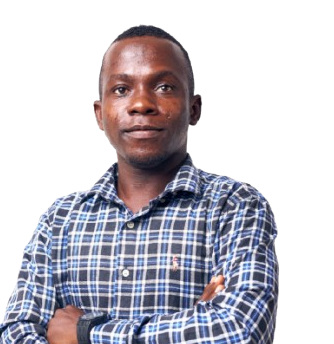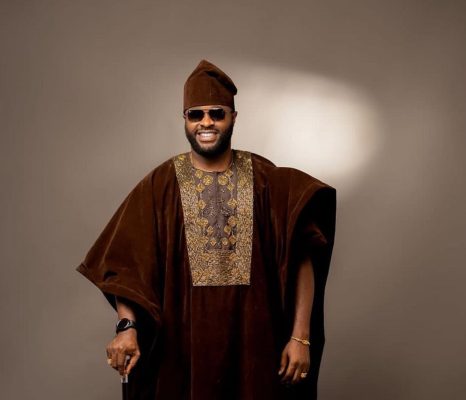
WHEN Abdul Quam Tadese, better known as AQT, stepped out with Story For The Gods earlier this year, his Afrobeats-Arabian fusions signalled his unique sojourn among the contemporary class of Afrobeats acts. Although his earlier releases, dubbed, Journey and Outside, respectively, introduced his distinct fusions, his unique delivery within Story For The Gods showcased his halo as an Afrobeats fusionist to watch out for.
Beyond just making music, the US-based musician often wears his executive hats within the music scene, his latest being the music recording workshop, Camp Lagos, created in partnership with American producer Scorp (Cash Money Records, Chris Brown, Trey Songz), to push the boundaries of Afrobeats fusions. Hosted in the heart of Africa’s music capital, the 3-day experience featured industry heavyweights like Ceeza Milli, Ayanfe, Tunde Phoenix, as well as A&R executives from Davido Music Worldwide, and EmPawa, respectively, as they focused on expanding the present palette of Afrobeats fusions.
With a combined total streams of over three million across music platforms, as well as appearances at Nigerian festivals like Flytime Fest and Lungu Boy Party, last year, AQT is on a stealthy rise towards etching his legacy across the Afrobeats scene. As a show organizer, AQT has also built his repute producing festivals like the Berlin Afrobeats Festival, in 2023, which featured superstars like Asake, P-Square, Seyi Vibez, among others. He’s also successfully brokered bookings for several Afrobeats acts in the US, including Wande Coal, Fireboy, among others.
Catching up with Guardian Music, the musician and creative entrepreneur walks us through his world of musical fusions shaped by his foray across Africa, US and the Middle East; detailing his riveting come-up journey so far; his forthcoming album; his behind-the-scenes exploit in promoting African fusions and African musicians in the diaspora, respectively, as well as his mission to keep creating evergreen music.
What drew you to music?
I’ve always been in the limelight, even being born and growing up in America, I was always one of those guys that was a lively dude. I won best dressed of the year, for instance, when I was a senior in high school. So, when I got to college, I really didn’t know about entertainment. I just knew more about fashion and lifestyle. I also found a way to the music; I was in a group called Galaktiq. So, me and my music partner grew up together in college, and that is what drew me into entertainment fully, because I was ready to be a superstar.
What sounds shaped your childhood?
I grew up listening to a lot of pop music, like Backstreet Boys, you know. Then, I was also listening to King Wasiu Ayinde Marshall (KWAM 1), because I grew up in a Yoruba household. I’m also a basketball player and Basketball is big on Hip hop culture. So, I enjoyed listening to and knowing all the popular rappers back then. So, that diverse mix made my sound today.
What shaped your style of fusions?
I speak Arabic as well. I’m Muslim, so that’s the basis of the sound. There’s a lot of different influences within my sound fusions.
Tell us more about how you honed this sound?
Before I even started releasing my singles, I was in a duo like I said earlier. So, with my first attempt at this fusion, titled Journey, I recorded it with the idea of fusing my Yoruba roots with my alternative style in music. I just kept progressing and focusing on the storytelling as well. For instance, I recorded another song around that same time titled, Outside, which talks about my life as a social bee. I just attended the Paris Fashion Week for instance. The same thing happened with Story For The Gods where I basically reflected on my journey with triumph and resilience.
Tell us the vision behind Camp Lagos?
So my story is as a person being born in America, one would realize that, even though everybody wants to blow up in America, on the artistry level, we don’t really have any identity. It’s much different in the UK, though. If you see their market, you would observe big names like Skepta, Dave, Stormzy who also represent Africa as well. I dislike the reality that America, which everybody knows as the entertainment Mecca, does not really have an identity when it comes to the sound. And the Africans in diaspora have a bigger population than even Nigeria. So, how do we tell our story? So, that’s what first got me. Then, on the executive side, I graduated with degrees in business administration and marketing at both graduate and post-graduate levels, respectively. So, when I was doing a lot of meetings with different people, from different industries, one thing that was very common was that they always ask: What are we doing tonight? Or what’s the latest concert? We always talk about entertainment! And, despite being in these rooms with some of these masterminds at fortune 500 companies, everybody wanted to be entertained. And I had connections with these different artists. So I started booking festivals, working with different partners, and then hosting my own festivals and everything. So, that’s why I went back to the drawing board with Camp Lagos. I wanted it to be a ground to help us really immerse ourselves within the music and create something that would become legacy for us. Every step of the way, we knew that we wanted to focus on fusions and keep the music original. I am proud of every record we made, and we have a lot of new music coming out, especially from me, just because of that recording camp.
Tell us more about these fusions that we should expect to hear.
I’m releasing the music in a few months. I want people to know my sound. So, this album represents a lot of me, and I’m going to be visually telling it. The music is created to sweep one off their feet. I don’t want to give out too much behind this process, but I just want to let you guys know that a lot of this album contains strong storytelling where I want to deepen the fusions.
Give us a peek into your creative process.
When I hear a beat, I come up with the melody first. I have melodies recorded all over my phone, being that these are all different kinds of sounds I am experimenting with. My religion greatly shapes my music too, and I have built a tone over the years; especially from praying five times daily and reciting diverse melodies in the process. So, that is my foundation: melodies. Then, when I sit down, I start coming up with words. Typically, I come up with the hook first, then the verse. However, I’m a sound person, so the sound is most important to me.
What draws you to pick the kind of producers you work with?
I like versatility. With my first three singles, it’s three different angles of AQT. I have different producers, but if you have versatility and are able to have multiple sounds, and still retain your authenticity and uniqueness, it catches my attention immediately. It is important because a lot of times, when you hear these new beats in circulation they all have the same kind of pattern. Right now, I worked with three producers on this new album, and I can’t wait for you guys to hear it.
What shaped your name AQT?
One of my best friends who lives in London was the one that gave me that name first. He was like AQT, and I was like 15 at the time. That’s what stuck with me through middle school and high school, especially during the basketball sessions we had where everyone would just call me AQT. So, when I decided to go solo as a musician, I just went with the name. It was easy. So he was the one that originally gave me the AQT and stamped it, and we have even made shirts where we had AQT on the back of it, way before I started music solo.
What is the reality like with talent discovery within the African-diaspora in the US?
There’s so many different dimensions of African music today. You have Afro House, you have Afro Hip hop. And one thing that’s a driver for me is taking these sounds to another level. It’s harder to get discovered here as an Afro leaning artiste; because despite the fact that the rhythm is loved and accepted, we do not sound the same with Nigerian artistes who were raised in Nigeria. This is why I always tell these artists back in here in the diaspora that you have to go back home to promote your music. That’s also part of why I started Camp Lagos. I come back to Nigeria, frequently, to sit down with home-grown creatives and get that artistic authenticity, that indigenous sound. So, when I create I keep all these in mind, not forgetting my identity back in the US and also in the Middle East where I have grown to also know as home. Talent discovery is something that we need to explore some more, and definitely we need to do more work there.
When you are not making music, what are you typically up to?
So for me, you know, when I’m not making music, I focus on running my different businesses. I have a family business that I run daily. I have a social club that I run daily, so that takes a lot of my time. I’m always doing something, but music has my heart. Also, from the perspective of living within the US and knowing what Afrobeats is becoming, I was telling somebody the other day that the African musicians in the diaspora are in our baby-boomer stage, which means we still have a long way to go even though we’re on the revolutionary never-say-die trajectory where we’re becoming big and everything. Despite the language barrier, we have the ability to break out from the US or even anywhere. I want to be one of the first to be able to achieve that and also encourage more Africans in the diaspora to pursue their music careers even while being here.
Finally, what is the vision for AQT?
I want to be the best I could be, man. I want to keep creating evergreen music. I want to inspire a generation of artists to appreciate their journey. There’s beauty in the process. You could be wherever you want to be, but of course, with hard work and prayer! I want to become a mogul as well. I want to be able to inspire a generation to be the best they can be