GDN SIDEBAR
Kenyan R&B and soul singer Bridget Blue reflects on her music, her purpose, and her journey, from AFRIMA recognition to her dream of collaborating with Tems and Ayra Starr.
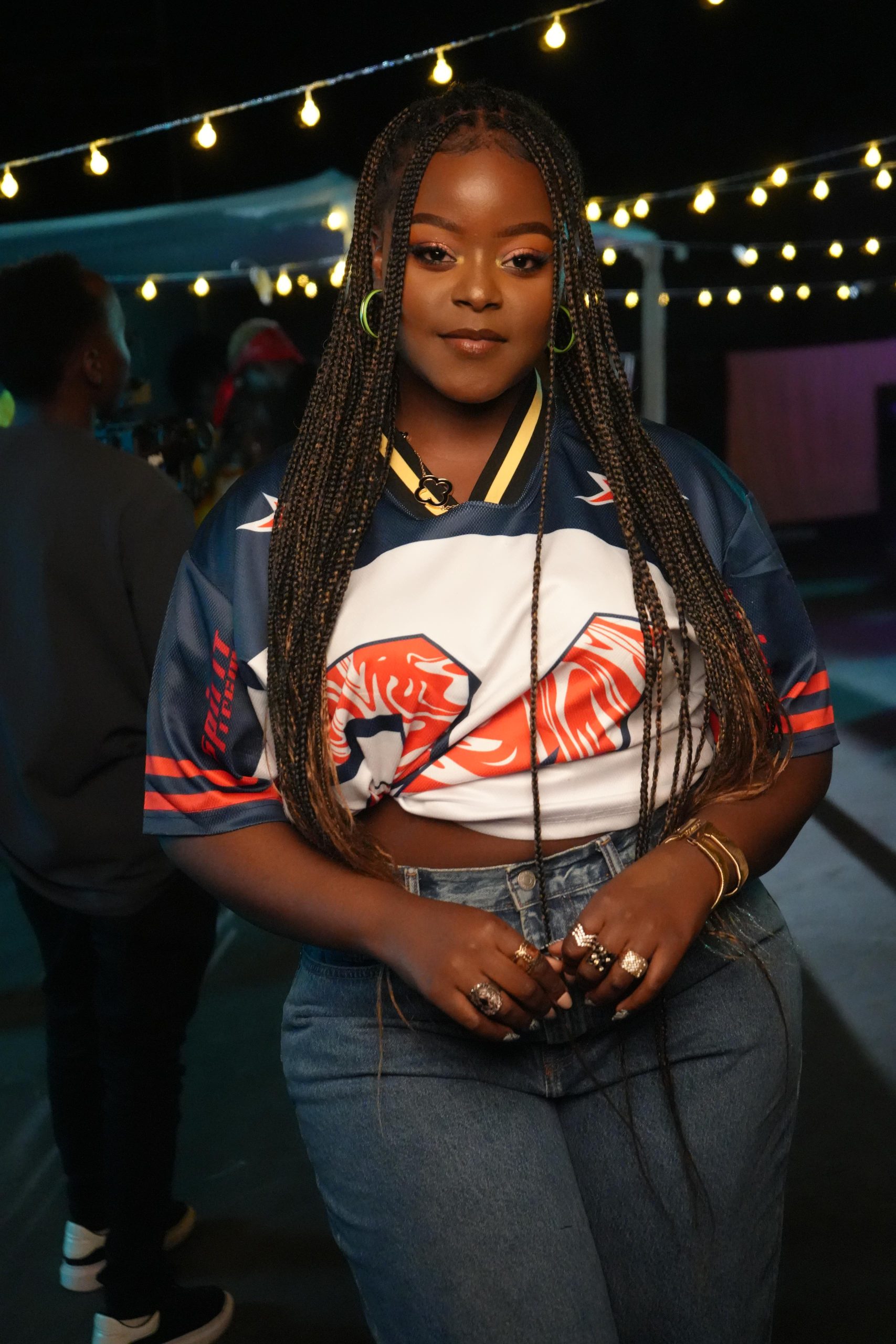
For many Nigerians, the first time they heard about the soulful Kenyan singer Bridget Blue was during the 8th All Africa Music Awards (AFRIMA) when she clinched three nominations.
Others might know her from her captivating catalogue, including her 2022 breakout LP, Colours, as well as her 2024 follow-up project, which featured Kenyan heavyweights Khaligraph Jones and Bien. She also featured in Nigerian R&B star Kotrell’s debut album, Forever, in the same year.
After eight active years as a singer and one of the poster faces of East African music, the R&B/Soul artist continues to prove her mettle as a superstar to watch.
Catching up with Guardian Music during her recent visit to Lagos for the 9th AFRIMA, she speaks about her latest award nominations, recent releases, life as an East African female singer, connecting with West African acts, her dream collaborations with Tems and Ayra Starr, and her mission to keep creating music that inspires more women to enter the scene.
How do you feel about your new AFRIMA nomination?
I’m over the moon. I’m so happy to be here in Lagos and to be amongst so many other great people. So I’m truly excited.

It’s no small feat to be regarded as one of the best across East Africa. What does this mean for you?
It makes me feel like my sound matters, and through that, so many other sounds from where I’m from matter too. It tells me that people hear us, and that’s the reason we do this. It makes me feel really seen.
Your soulful sound has been a main staple of your catalogue since you started. What drew you to this style?
I think the sound helps me carry a lot of the messages that I try to share. I lean more towards inspiration and being a voice to the voiceless, putting forward things people go through but don’t know how to express. My sound helps carry that message. As much as you enjoy it, you also perceive, hear, and appreciate what I’m saying.
Do you have mentors or people who influenced your style?
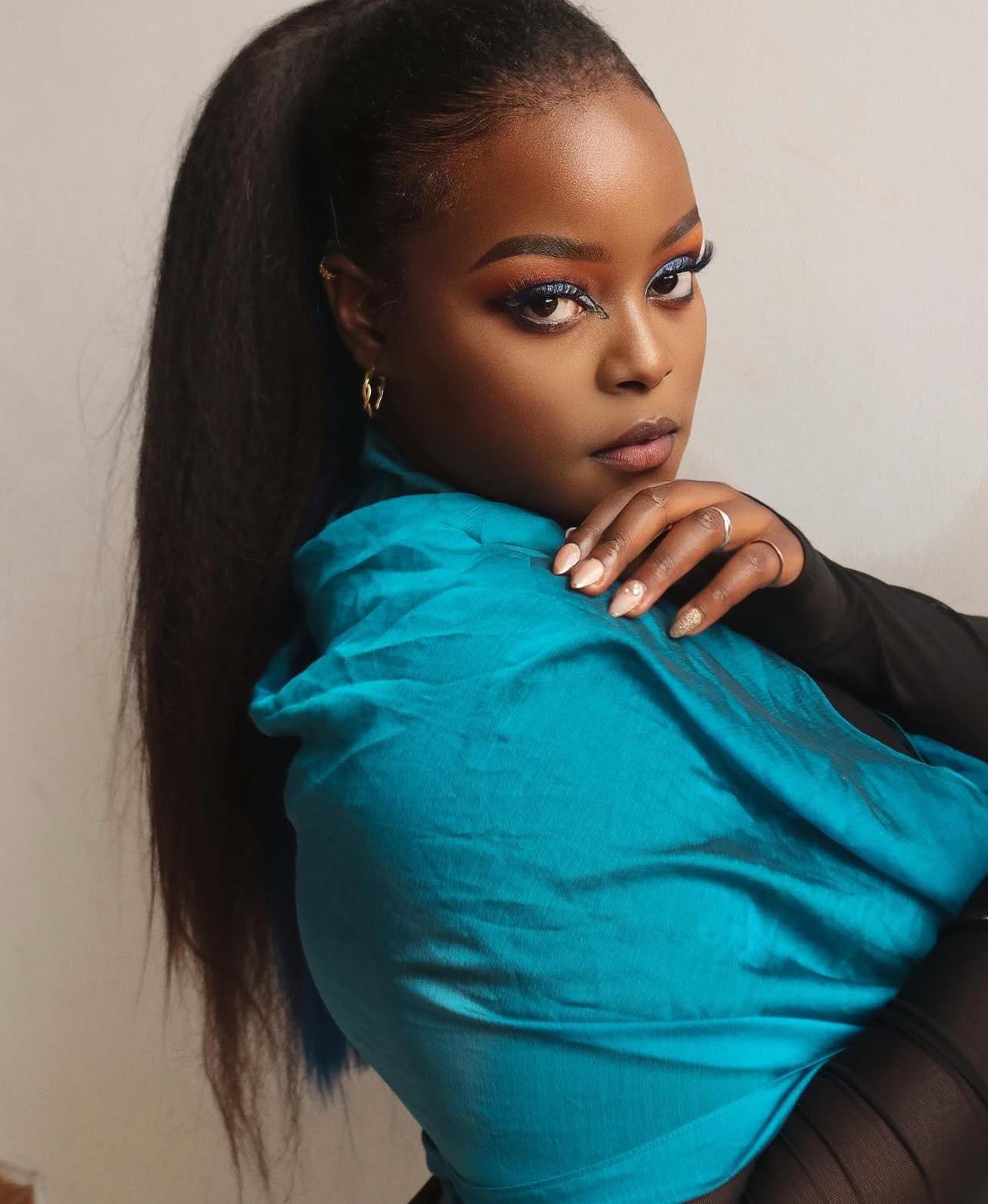
I draw inspiration from different cultures, especially across Africa. I try to blend sounds and create my own identity. So I draw inspiration a lot from others.
What does the “Blue” in your name represent?
Blue is my favourite colour. It started as a nickname when I was really young, and it grew on me. And once I needed a stage name, it felt perfect. Also, my sister used to call herself that. I don’t know why, so I may have copied her a little.
How did your music journey begin?
I started by making covers of different songs on Instagram while I was in high school. They started picking up, gaining momentum. People seemed to appreciate the covers, and so I dove into writing my own music. So by the time I was done with high school, I got signed to my first label, and then I professionally began. That was 2018, so I was 18 years old, and from then, I’ve just navigated through new people, new sounds. I’ve basically grown up in the industry from where I’m from.
You sing a lot about love and human relationships. How fictional are your stories?
I’d say 1 percent of it is true. I’d say anything that I released in 2025 was more non-fictional because 2025 is when I started to write about myself. However, mostly before that, I imagine things. I usually put myself in scenarios that don’t exist, and then I write from that emotion.
Tell us what inspired your last major record, Mapenzi.
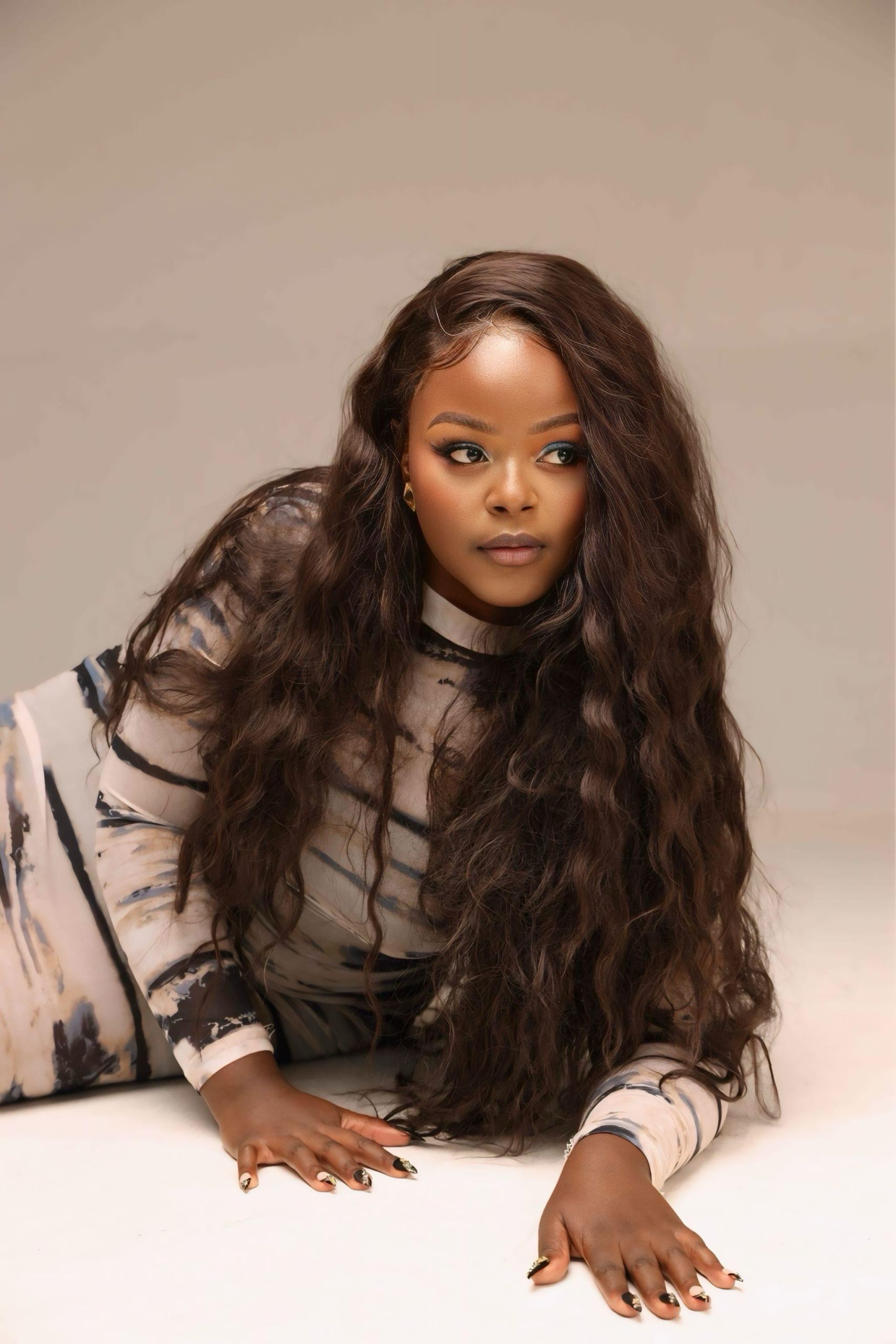
Mapenzi is a love song, and it came together really quickly by chance. I was in the studio with Toxic Lyrikali, and we just started vibing. So I was picking up from his inspiration, the way he writes, and the way he thinks. I was kind of benchmarking, I’d say. And then eventually we caught the right vibe and started going with the flow. And as he started rapping, I started writing, and before you know it, we had made magic.
What is your typical creative process?
When I’m alone, it looks a little bit different. I would usually put on an instrumental and randomly jam over and over and over, even if it’s 100 times, and I record whatever I pick up, and then I bring it all together. But working with another person is different, because I have to think on the spot and settle on what comes at that moment.
What are your thoughts in terms of collaborating with other female singers on a Pan-African scale?
I think it’s extremely important because, for someone like me, if I grew up seeing more of things like that, I feel like I would have drawn so much confidence from it, and I would have felt like there was a support system as well. We need to stand with each other more and create our own space that works and demands to be heard more. So I’m really rooting for things like that happening more.
Who are some female voices within the industry that you look forward to working with across the continent?
I love Tems. Let’s see, I love Victoria Monét, Ayra Starr, Zuchu, and so many other amazing women.
So, if you were not making music, what else would Bridget Blue be caught doing?
I’d either be a chef or a makeup artist.
You already have this strong reputation for your professional makeup artistry. Did you teach yourself that?
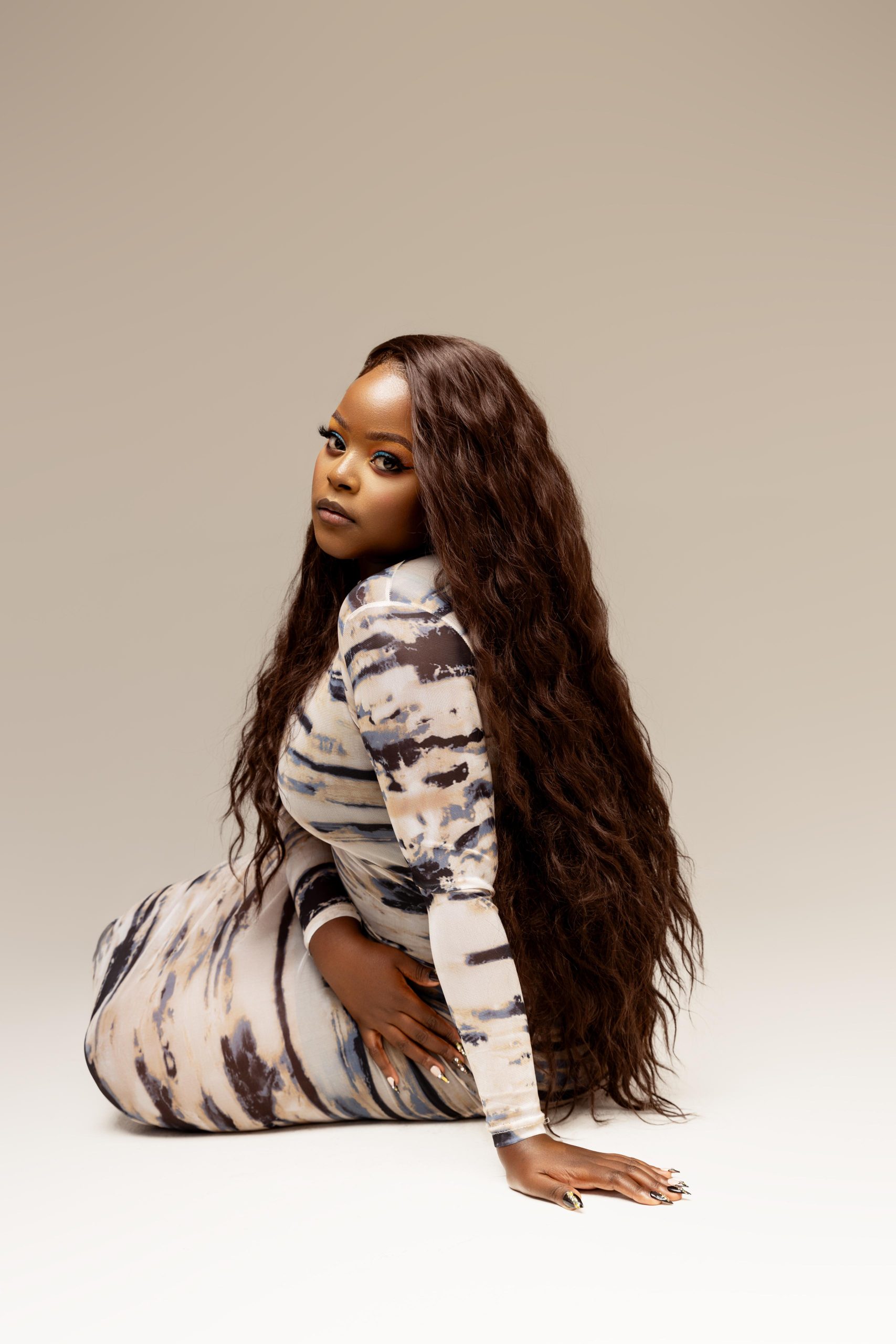
I started exploring makeup really, really young. I’d say it stemmed from, perhaps, an insecurity, but I actually felt like I wanted to be different. I really don’t know how to explain it, but growing up as a girl like me, I tried to find a way to cling to my beauty, to kind of bring it out. And so I used to do it over and over. I was really bad in the beginning, actually, and then eventually I did go to a makeup school, Linton’s in Kenya, to just explore the professional side of things. But it all stemmed from just like a creative outlet for me.
Now, if you’re not recording music now, how else do you like to channel your creativity?
I paint. I cook so many things. I like to make things with my hands. So anything that involves colour, anything artistic, basically, you’ll find me there.
Musically, what are we expecting from you this year?
I’d be releasing a lot of collaborations outside my home country. So, we’re really looking into testing new sounds and exploring the market outside my borders.
Lastly, what would you say is the vision for your career?
I want them to feel, to feel heard. I want them to see me as a person who was able to put forward the things they couldn’t. I want some girls who look like me to feel like they have a chance because I made something out of life. You know, I want to be able to just basically be a voice that matters.