GDN SIDEBAR
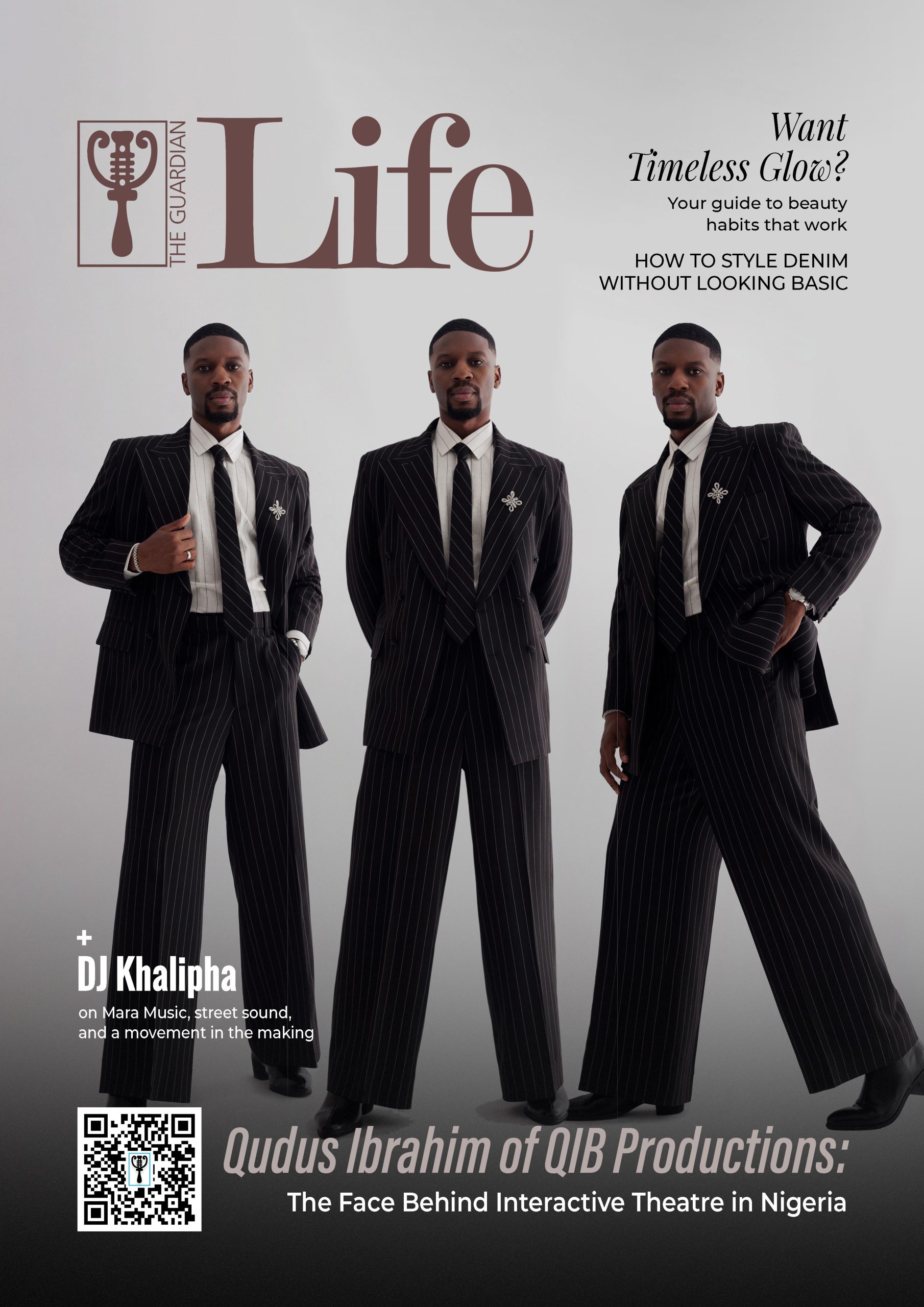
QUDUS IBRAHIM is a creative entrepreneur, cultural innovator and the Founder and CEO of QIB Productions, a leading pioneer of interactive theatre in Nigeria, shaping modern entertainment in the country. From public productions to exclusive private performances, QIB Productions is building a movement, one unforgettable experience at a time.
As a Nigerian storyteller, Director, and Creative Entrepreneur, Qudus Ibrahim is redefining the boundaries of live theatre through immersive and interactive experiences.

Widely recognised as the pioneer of interactive theatre in Nigeria, his work has played a key role in shaping a new wave of audience-centred storytelling across the country.
In October 2021, Qudus founded QIB Productions, a forward-thinking entertainment company focused on creating bold, audience-driven theatrical experiences. QIB Productions continues to expand its creative footprint, with a growing slate that includes stage productions and upcoming ventures in film and television. Through his work, Qudus is committed to telling compelling Nigerian stories that resonate locally and globally while pushing the evolution of modern theatre.
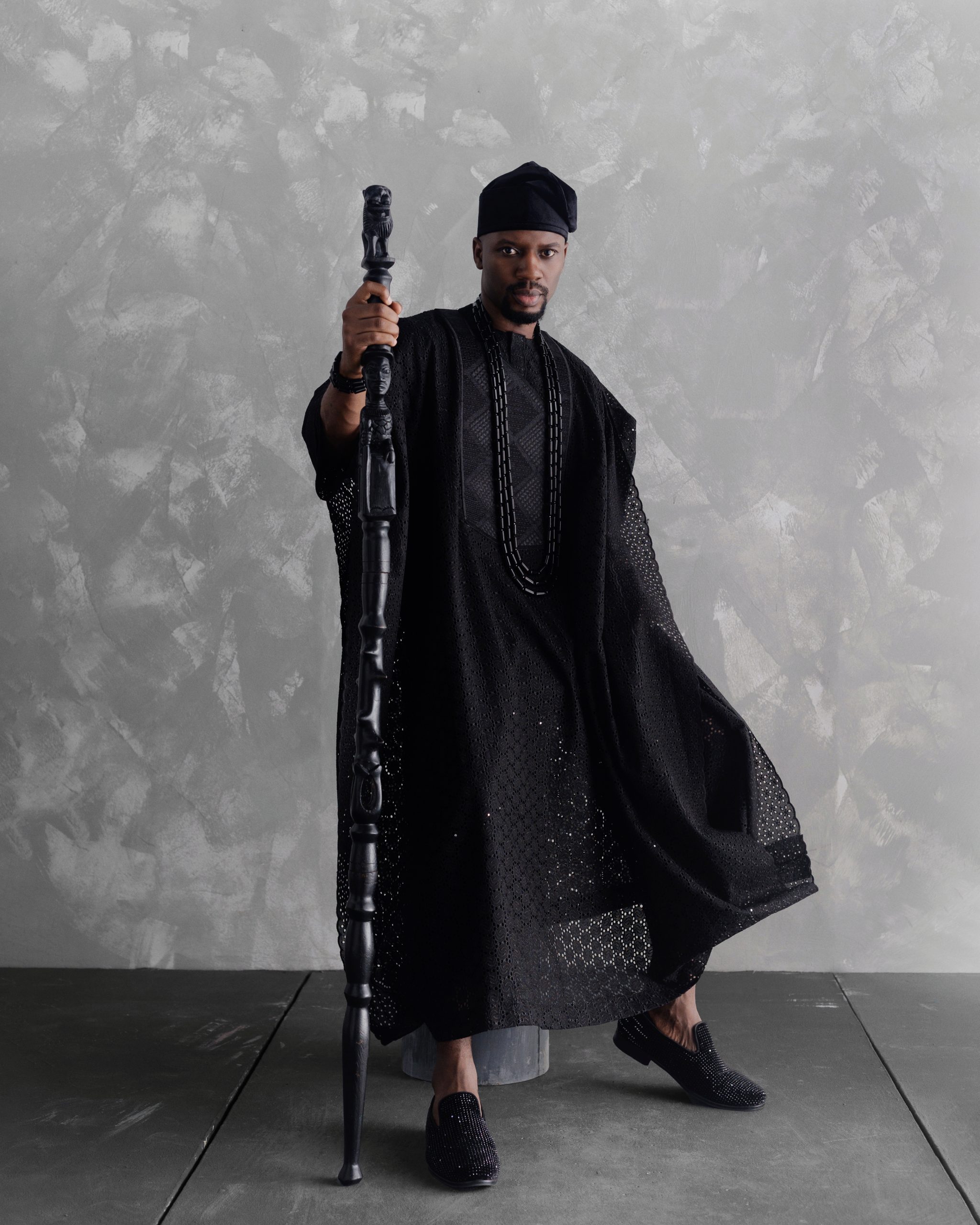
As pioneers of interactive theatre, QIB have created a fresh and exciting form of entertainment that continues to captivate audiences, sell out shows, and set new standards across the country. Through QIB Productions, Ibrahim is redefining live entertainment in Nigeria through immersive, interactive theatre experiences that place audiences at the heart of every story.
This innovative approach has contributed to a growing shift in contemporary theatre culture. The productions have been attended by CEOs, high-profile executives, and influential figures across the country, further solidifying their status as a leading force in modern theatrical experiences.


Ibrahim has carved out a distinct lane in Nigeria’s entertainment landscape through QIB Productions, introducing a fresh, highly immersive approach to theatre that breaks away from traditional, passive viewing. What began as an unconventional idea has quickly evolved into a sought-after format, with QIB Productions’ style gaining traction across the country.

The demand for these interactive experiences continues to grow, influencing a new wave of creators and producers who are now adopting and adapting the model. Through this, Ibrahim has built a successful brand and also played a key role in reshaping contemporary theatre in Nigeria.
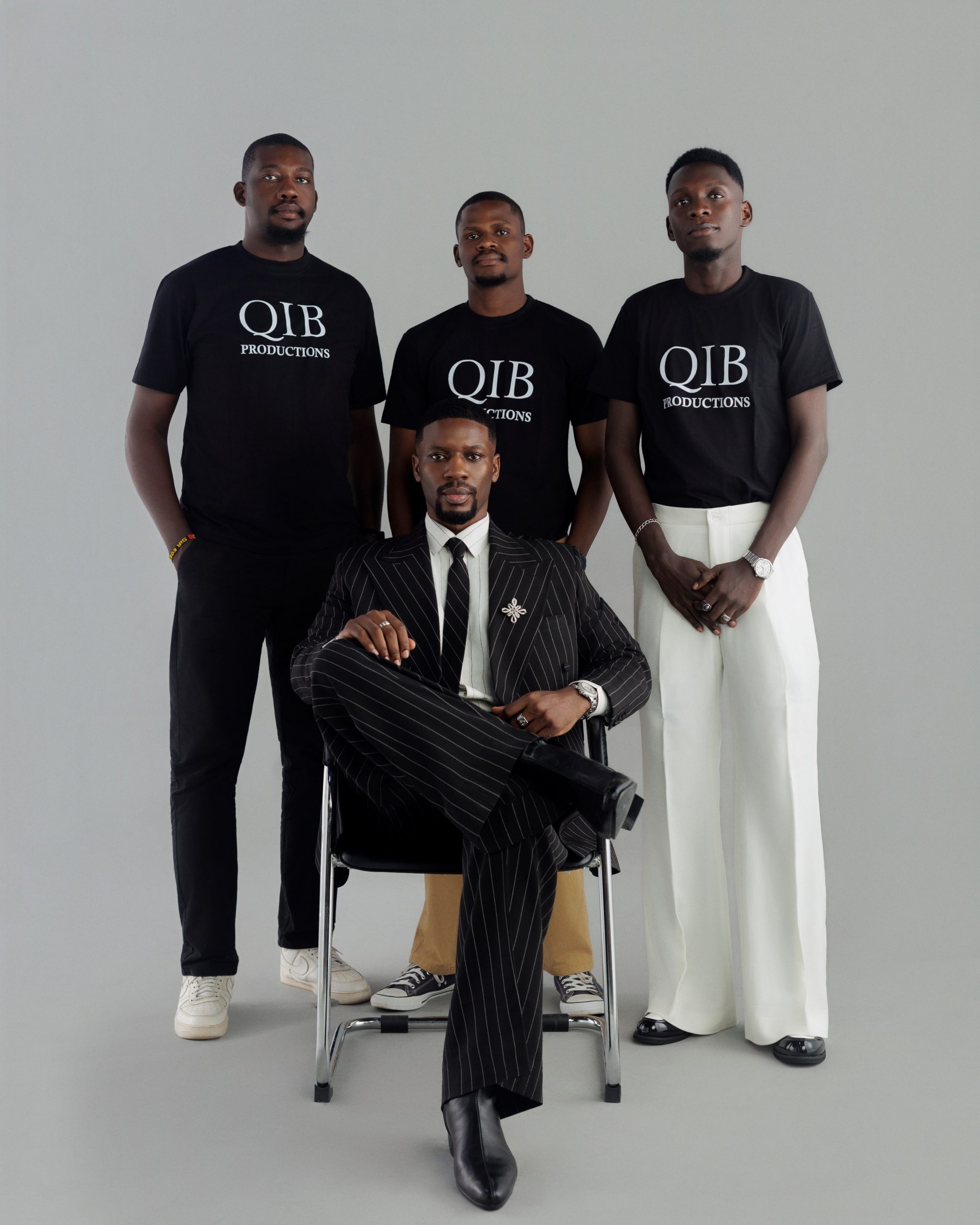
In an interview with Guardian Life, Qudus Ibrahim speaks about QIB Productions as an emerging force in the creative and entertainment industry with plans to create more immersive, interactive theatre shows across and outside Nigeria.
When did you get into the creative industry and why? Prior to this, what were you doing?
My interest in the creative industry goes all the way back to my days at St. Saviour’s Primary School, where my love for storytelling first began. I discovered an early talent for writing when I visited the library, picked up a book, and rewrote the entire story in my own words, creating a version that felt uniquely mine. That experience created a passion that continued to grow throughout my education.
By the time I got to secondary school, writing came naturally to me. I did not only write, I also directed school plays, which further developed my appreciation for storytelling and performance. My friends would often queue up to read my work, which I found really exciting and motivating. It boosted my confidence in my abilities as a writer.
Despite recognising writing as a talent, I never considered it as a career path. I envisioned a future in the corporate world as a banker or finance professional. This led me to study Banking and Finance at university. After graduation, I secured a role in a financial institution, but it did not take long for me to realise that the traditional 9 to 5 lifestyle was not aligned with my aspirations.
My turning point came when I stumbled upon the Beeta Universal writing competition. I entered, won, and that awakened my desire to pursue a career in the creative industry. Inspired by that success, I founded QIB Productions in December 2021. Since then, we have consistently produced at least three interactive theatre productions every year.

As a creative entrepreneur and cultural innovator shaping modern entertainment in Nigeria, tell us what all that entails?
As a creative entrepreneur and cultural innovator, I create unique entertainment experiences while building a sustainable business around creativity. Through QIB Productions, I have helped pioneer immersive and interactive theatre in Nigeria, transforming audiences from passive spectators into active participants.
What does the acronym QIB mean, and what does QIB Productions represent? What are the specifics that aren’t anywhere else?
The acronym QIB is from my name, Qudus Ibrahim. QIB Productions represents innovation, immersion, and community. We are dedicated to creating quality entertainment experiences.
Instead of simply watching a story unfold, our audiences become part of the experience, making each production feel personal, engaging, and memorable.
We are very particular about ensuring that our audience gets real value from the entertainment we offer. It’s one thing to put on a show, produce a play, make a film, or create a television series, but for me, the most important thing is that people genuinely enjoy the experience and leave feeling that it was worth their time and investment.
Most times, it’s the little details that make all the difference. At QIB Productions, we pay close attention to every element of the audience journey, making sure every detail is thoughtfully executed. That commitment to excellence, dotting every ‘i ’ and crossing every ‘t’, is what makes us unique. We combine quality storytelling with relatable themes and interactive experiences that truly connect with people.
Tell us about Interactive theatre? How does that play out?
Interactive theatre is theatre that actively involves the audience in the storytelling process. Rather than being passive spectators, audience members become part of the experience. The performance happens within their space, and they are encouraged to engage with the characters and make key decisions that affect the direction of the story.
What makes it exciting is that no two performances are exactly the same because the audience’s choices shape the experience. Ultimately, the audience becomes an integral part of the storytelling, making each show unique.

Is the concept of interactive theatre solely your idea?
Interestingly, I wasn’t aware that interactive theatre already existed when I started exploring the concept. The idea came to me organically as I had always wanted to engage audiences and make them a part of the storytelling process. It was after I had begun developing and producing these experiences that I discovered similar concepts had been practised in other parts of the world.
I had always known that I wanted to create a more interactive form of theatre, but what I struggled with initially was finding the perfect setting to bring that vision to life. The breakthrough came when I attended a play that was staged on a lawn rather than in a conventional theatre space. That experience inspired me and showed me the possibilities of using unconventional venues to create a more immersive connection between the audience and the story.
So while I can’t claim to have invented interactive theatre globally, I can say that the idea was independently conceived by me, and I’ve been instrumental in introducing, developing, and popularising this style of theatre within Nigeria through QIB Productions.
Tell us about QIB Productions’ thematic preoccupations?
At QIB Productions, our thematic focus is drawn from everyday life and the experiences people encounter daily. We tell stories about relationships, family, love, politics, friendship, ambition, conflict, and the various challenges that shape our lives. We believe audiences connect most deeply with stories that reflect their own realities.
We create relatable, timely, and entertaining stories that not only captivate audiences but also leave them with something to think about long after the performance has ended.
Let’s dive into the business angle of what you do as a creative entrepreneur. How does it amount to figures for your brand?
As a creative entrepreneur, I see every production not just as a creative project but also as a business venture. Revenue comes primarily from ticket sales, but we also explore sponsorships and partnerships. We carefully budget every production to ensure that we can deliver a high-quality experience while maintaining profitability and sustainability.
One of the major indicators of growth for us has been audience demand. We have gone from planning a handful of shows to selling out extended runs because of demand.
What makes QIB a leading pioneer of interactive theatre in Nigeria?
Originality and authenticity. One thing I always enjoy is seeing the audience reaction. Some people arrive not knowing what to expect and may even be indifferent at first, but once they experience the play, they leave excited and genuinely amazed by how good it is.
Tell us about your management team, crew members, and how you source your cast.
QIB Productions wouldn’t be where it is today without my two sisters, who run the company with me. My elder sister, Ayeesha Ibrahim, is our Brand and Communications Director. My younger sister, Maryam Ibrahim, is our Operations & Strategy consultant. They bring so much passion to QIB Productions and have contributed greatly to its success.
Keeping it in the family is a deliberate choice that allows intentional commitment, shared values and passion for the brand’s growth and development. It has been really rewarding and enjoyable running the company with them.
I have also been fortunate to have a dedicated team that has remained with me from the very beginning. Ebenezer Shobowale, my Assistant Director, Maurice Edem, my stage manager and Omasan Nelson, my assistant. They play key roles in the success of every production.
When it comes to casting, it always depends on the story and the specific character I’m trying to bring to life. I spend a lot of time researching and discovering talent, often going on deep dives through social media when I’m looking for a particular type of actor. Sometimes it’s someone whose work I’ve followed for a while, and other times it’s someone I know has the right skill set and presence for the role. This has helped me build a family-like pool of talented actors that I can call on from time to time.
When we first started, I felt that having popular faces attached to our productions was important because it could help attract audiences and build credibility. However, as QIB Productions has grown, we’ve reached a point where the brand itself has become a draw. We’ve built a loyal audience that trusts the quality of our productions, regardless of who’s on the poster.
That said, I’m a huge fan of Nollywood and I would absolutely love to work with established actors from time to time. I think they can bring something unique to a production. But it’s no longer a necessity for us because we have proven that our audiences come for the experience, the storytelling, and the QIB Productions brand itself. Our shows continue to sell out regardless of whether the cast features well-known names or emerging talent.
QIB Productions is an emerging force in the creative industry; tell us about your sustainability techniques?
Growth, innovation, evolution, and expansion. As a creative business, you have to keep growing and evolving; you can’t remain in the same place. For the past five years, we have been performing primarily in Lagos, but now we’re expanding to Abuja. We’ve also received numerous requests from audiences in other states across Nigeria, which shows that there is a growing demand for what we do. Beyond Nigeria, we’ve had people express interest in seeing our productions in other places like Ghana, London, and the United States.
Once we establish a strong presence across Nigeria, we plan to take our productions to international audiences.
We are also looking beyond theatre. We want to expand into TV shows, film, and other forms of storytelling. The idea is not to be limited to one medium but to diversify our creative offerings while maintaining the quality and immersive experiences that define QIB Productions.
QIB wants to get into producing TV shows and movies? How do you intend to navigate this?
We want to start small and ease into it gradually. These days, a lot of Nollywood content is thriving on YouTube and other streaming platforms, so it makes sense for us to begin there. It would be ideal to develop projects for YouTube and eventually move onto platforms like Netflix, building our presence in the digital space.
The plan is to grow step by step starting with accessible platforms, learning the space, building an audience, and then expanding into full theatrical releases.
While live theatre is the bedrock of the storytelling industry, however, overtime that has changed; the sector has evolved into the big screen showcases at diverse levels. Why did you return to live theatre showcases and how did you know that immersive and interactive methods would make a difference in this age and time?
I got into interactive theatre because I found it genuinely interesting and I felt there was a gap in how people perceive theatre. There’s often this notion that theatre is boring or not something a lot of people can relate to, and I wanted to challenge that perception.
For me, it was about showing that theatre can actually be exciting, engaging, and deeply immersive. It’s not always about watching something on TV or going to the cinema; there is a unique beauty in experiencing a performance live, in real time, and being present in that moment.
Tell us about some of your work, what kind of stories do you tell and how they have played a key role in shaping a new wave of audience-centred storytelling across the country?
I try as much as possible to tell entertaining and engaging stories, stories that make people think and that resonate with their everyday lives.
For me, the goal is always for the audience to come in, be fully entertained, and for that period of time, forget about their worries and everything else. I want them completely immersed in the story, almost like they’ve stepped into another world, where their attention is fully on the experience unfolding in front of them.
Who writes your scripts?
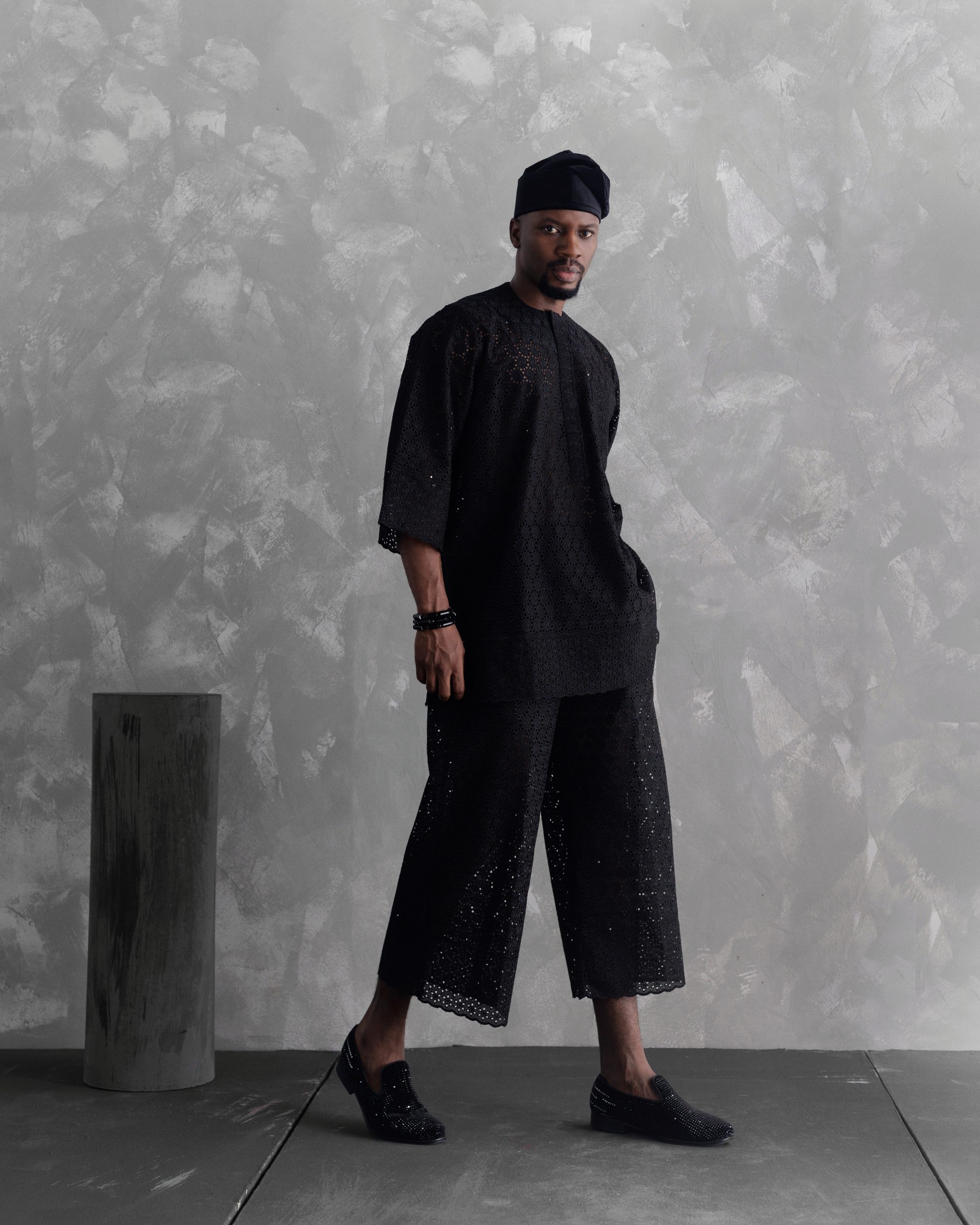
So far, I have written, produced and directed all my plays.
How many stage plays have you produced since inception?
We have produced ten interactive plays. In some cases, we revisit earlier productions, but in terms of entirely new stories and original works, we have created ten distinct interactive plays.
Your interactive plays showcase compelling African stories that resonate with Africans at home and abroad. Considering how you’re pushing for the evolution of modern theatre, would this still allow the sustainability of the ‘African’ thematic preoccupations?
In my storytelling, I always make a conscious effort to incorporate culture as much as possible. For instance, in a recent production titled The Wedding, we intentionally showcased our traditional ways through costumes and other elements that reflect African and Nigerian heritage.
I believe you can’t truly tell stories without grounding them in your culture and traditions; without that, they risk losing authenticity. A major reason QIB Productions has been able to grow and remain relevant is that our stories stay authentic.
Speaking of modern theatre, what is your idea of this concept, and how are you pushing for this evolution?
More people really need to experience theatre. I don’t want it to become a dying art form, especially in a time where attention spans are shrinking, and everyone is consumed by short-form content like thirty-second videos online.
We use this to our advantage by creating engaging content and compelling ads. This has played a key role in helping us reach new audiences and introduce many people to theatre for the very first time.
Interactive theatre deserves to be seen and appreciated more. It’s just as entertaining as watching TV, but even more engaging because of the live, immersive experience.
You have carved a niche in the Nigerian entertainment landscape through QIB Productions; take us through your ups and downs and how you eventually attained these success stories?
One of our biggest challenges has been funding. The majority of our productions have been self-funded. While we have been fortunate to have a few brands come on board, which we deeply appreciate, sourcing adequate funding remains a major constraint, and it’s something we continue to navigate today.
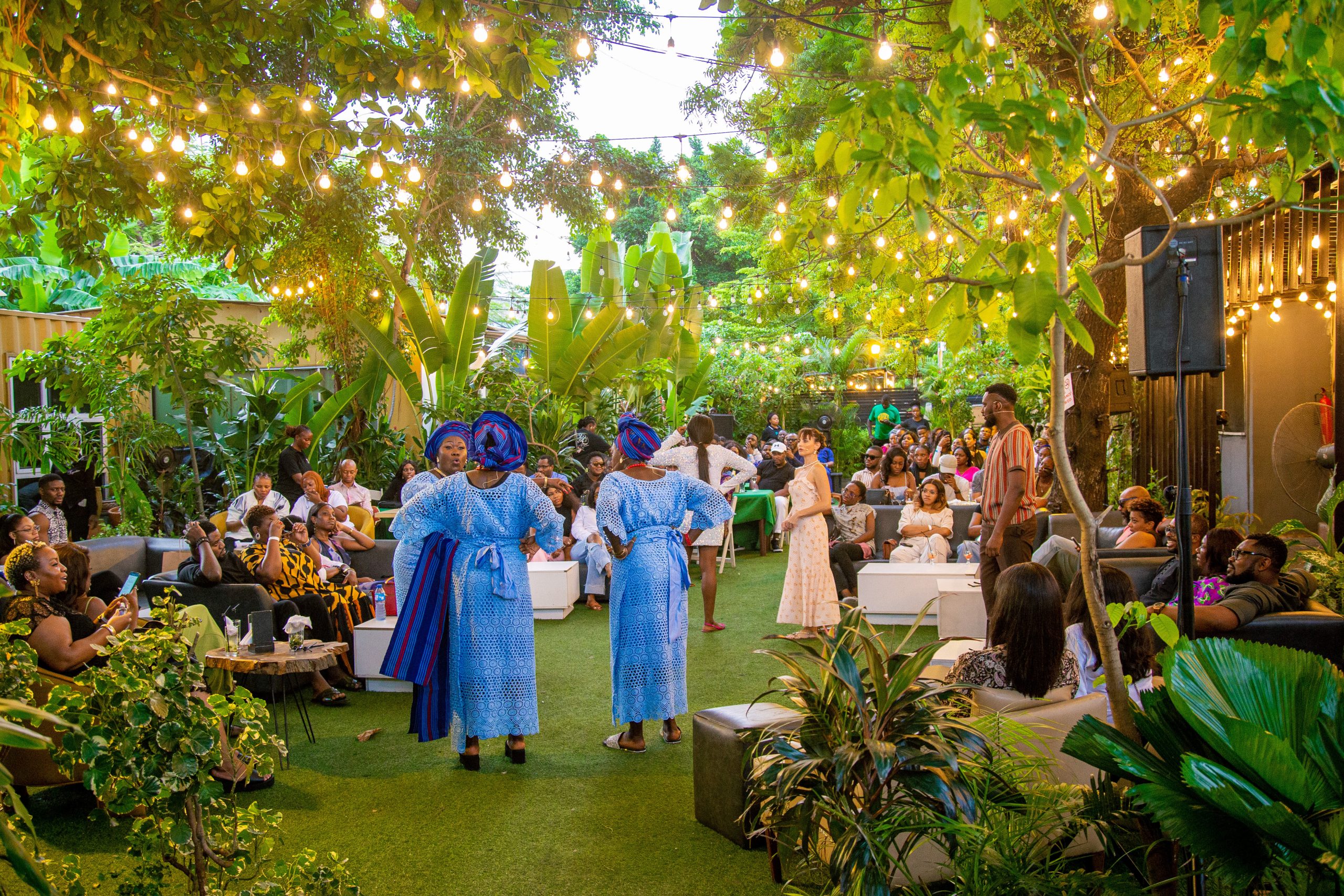
Another challenge has been finding the right location for our productions. However, I’m excited that we have a strong partnership with The Garden, Ikoyi, where we host the majority of our interactive plays.
Lastly, at the beginning, getting people to attend the shows was also difficult, but over time, with consistent publicity and stronger marketing efforts, we’ve been able to significantly improve audience turnout and build a loyal following.
What would you say is your best work so far?
I wouldn’t say I have a ‘best work’ so far because I genuinely enjoy all my stories. Every time I create something new, I’m excited to see it come to life and to watch the audience experience and react to it.
However, a recent production I really enjoyed was The Wedding. The concept was designed to feel like you’re attending a wedding, but not just as a guest; you’re also part of the story itself. We introduced a dress code of all white to give the feeling of wearing ‘asoebi’, and initially, I wasn’t sure whether everyone would fully embrace it. I was pleasantly surprised to see that almost everyone showed up in white. People paid for their tickets and still followed the dress code, and it was really beautiful to witness.
That experience made me realise that our audience are not just coming for the play, but for the entire experience. We originally planned to do four shows, but due to overwhelming demand, we ended up doing thirteen. Across all thirteen shows, the energy remained consistent, and people kept showing up in white. It was a very fulfilling experience for me as a creator.
In ten years from now, where do you see the QIB brand?
I see QIB Productions as a global leading force in the entertainment industry, showcasing Nigerian interactive theatre on a much bigger stage. Beyond theatre, I also envision us producing high-quality movies, TV shows, and other forms of entertainment.
Ultimately, my goal is for QIB Productions to be recognised globally as a brand that consistently delivers premium, quality and impactful entertainment.
Do you have a role model?
My mum is my role model. I learned the value of independence and being my own boss from her, because growing up I saw her own her identity and operate on her own terms. I admired how she built her life with that sense of freedom and self-direction.
That same mindset is something I struggled to fully express when I was working a 9 to 5 job. It didn’t align with who I am. Eventually, I made the decision to pursue this path, and stepping into entrepreneurship and becoming a CEO felt natural to me because deep down, I’ve always known that this is the direction I wanted to take.