GDN SIDEBAR
In a world where trends shift overnight and luxury often forgets its roots, one brand stands out for doing both, Blvck Kulture. The brand is uniquely reshaping the narrative of what African streetwear can be and who gets to define it.
Founded by Razaq Ayomide Rahman, on the idea that African heritage belongs globally, Blvck Kulture brings a clear message: culture is not a costume, and streetwear can be rooted and refined. At its core is the motto Kulture of Expression, a statement that fashion should reflect more than style. It’s a brand that says fashion should speak, say who you are, and what you believe. It should say what you challenge. And that ideology is precisely what Blvck Kulture is set out to continually project to the world.
The 2024 designs are bold in meaning. They are not just colourful or beautifully sewn, they are tailored with intentions. Their collections over the years have been nothing but incredible. The Made in Lagos line captures the pulse of Africa’s most energetic city. Back to Origins brings ancestral elements into present-day wear. Fantasy Culture takes mythical African storytelling and reimagines it through edgy silhouettes and vivid print. These aren’t random drops, they’re chapters in an ongoing story of African identity. And that’s what gives Blvck Kulture its edge.
But let’s be honest, “African fashion” has often been boxed in. For years, international fashion conversations treated it as niche, tribal, or too traditional for high fashion. African designers were praised when they mimicked Western aesthetics and ignored when they chose to stay true to their roots. Blvck Kulture refuses that framing. The brand doesn’t dilute African culture to make it palatable, it leans in, fully. It uses high-quality materials, daring structure, and powerful symbolism to say: African fashion is luxury. It is urban. And it deserves the same spotlight as its Western counterparts.
Still, being bold comes with risk. There’s always the tension of staying authentic while trying to scale globally. Some critics ask: Can cultural fashion survive luxury branding without losing its soul? Can a streetwear brand maintain a real connection to the community while courting global collaborations? Blvck Kulture’s partnerships with artists like Lucas Ried and brands like Tecno, YouTube, and Google suggest yes. The brand uses visibility not to water down its message but to spread it further.
However, the test isn’t just in celebrity endorsements or sponsorships. It’s whether the brand continues to centre African voices, uplift local talent, and honour the culture it draws from. So far, Blvck Kulture is holding that line, sponsoring local events like the Caleb Adoh Cup and highlighting African craftsmanship in every design. However, the pressure to perform in the global market will only grow. The question is: can the brand stay rooted while reaching higher?

What makes Blvck Kulture exciting nd worth watching is that it doesn’t try to fit in. It disrupts. In an industry where streetwear is often reduced to hype drops and logo-heavy trends, Blvck Kulture reminds us that streetwear was always about resistance, about identity, and about culture. And in Africa, where culture is deep and varied, the potential for what streetwear can express is even more powerful.
This is more than fashion. This is a movement, a challenge to see African luxury not as imitation, but as innovation. And Blvck Kulture is leading that charge.
At this point, let’s have a look at their 2024 collection release.
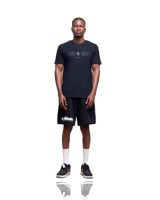
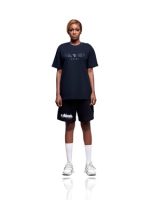
At first glance, this unisex streetwear outfit hits the right notes. It’s bold without being loud, and it is the kind of thing you could wear on a casual day in places like Lagos, Nairobi, or New York without feeling out of place. The T-shirt, reading “BLVCK PRIDE” with the African map replacing the “V,” does what many African streetwear brands try to do, merge cultural pride with global appeal. And it works. The print is subtle, which gives it that quiet confidence.
The matching black shorts say, “Made in Lagos,” stamped over a skyline graphic. It’s a nice local touch. There’s something powerful about wearing your city. For a unisex piece, the set feels gender-neutral in a good way. It’s not trying too hard to fit into a masculine or feminine box. The relaxed cut and simple colour make it wearable for anyone.
However, while the message is strong, the styling could use more edge. The outfit plays it a bit too safe. Black-on-black is a streetwear staple, but here, it borders on predictable. The shirt and shorts both use prints in similar tones, so nothing pops unless you’re up close. From afar, it can look like a plain black set. That’s not bad, but it lacks a wow factor.
The shorts are cut above the knee, which is fine, but the overall shape feels basic. They don’t add much structure or personality to the look. A different texture, maybe a mix of mesh or stitched panels could’ve made it more interesting. Also, while the top and bottom belong together, there’s room for variation. What if the tee had a sleeve patch or a diagonal seam? What if the shorts had contrast drawstrings or a cargo pocket? Right now, everything feels a bit too flat.
The fabric choice isn’t clear from the image, but assuming it’s cotton or jersey, it’d probably be comfortable. Still, comfort should meet detail. A standout streetwear look doesn’t just fit well, it tells a story in layers. Here, the story is there, but not fully explored.
Seeing an African brand embracing minimalist streetwear without copying the West is refreshing. The pride is there, rooted in place and identity. And because the look is unisex, it avoids the trap of gendered marketing. That’s a plus.
Recommendations
The designer could add visual texture or contrast to break up the black zippers, stitching, or a tone-on-tone pattern. They should rework the shorts’ silhouette or add details that elevate them from “basic” to “statement.” Also, they should consider offering colour variations that align with the brand’s identity, deep olive, sand, or burnt orange. A matching lightweight jacket or oversized shirt could extend the set’s appeal.
In short, this outfit is a good canvas. It says something. But with a few tweaks, it could say more and do so with sharper style.
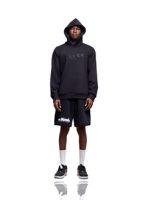
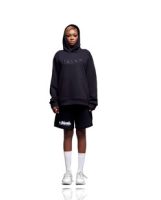
This looks the same as the first outfit, but there is a slight difference, and that is the hoodie. The hoodie adds weight to the outfit, making it appear casual and comfortable, which people who love streetwear styles will appreciate.
The continuity of the matching shorts keeps the brand identity tight. There’s consistency in the language: pride in Black identity and local roots. The outfit reads like a uniform for those who don’t want to explain who they are, they just wear it.
But here’s the thing: while the hoodie elevates the look in layering, it doesn’t push far enough in design. It’s a plain black hoodie. Comfortable? Likely. Practical? Definitely. But is it memorable? Not really. It plays it safe, again.
There’s nothing wrong with simplicity. But in fashion, especially streetwear, minimalism still needs flavour. This piece would benefit from one visual twist, something as small as an unexpected zipper placement, a hidden pocket, or even a textured logo. Right now, everything blurs together. Black-on-black on black. It’s almost too restrained. And that’s where it loses some power.
Also, the hoodie and shorts together don’t strike the best balance. The top is bulky; the bottom is light. That contrast could’ve worked if styled with longer shorts or if the hoodie was cropped or oversized. As it stands, it leans into “basic comfort” more than statement style. It looks like something you’d throw on to run errands or meet friends, but not something you’d stop and stare at.
The unisex cut, though, is solid. The fit is loose but not baggy, clean without being stiff. Anyone, regardless of gender, can wear this without feeling boxed into a look. And that’s where the outfit gets it right: the vibe is for everyone. Streetwear shouldn’t be excluded, and Blvck Kulture gets that.
Recommendation: The designer could add texture or layering detail to the hoodie, like ribbed side panels, a back graphic, or a small sleeve tag. They can try contrast stitching or a faint colour gradient to make the black logo pop without losing the monochrome vibe. Consider reworking the silhouette, either a boxier hoodie or a different short length to balance proportions better. Think about how the hoodie could work beyond casual wear. Could it be paired with tailored joggers or a matching utility vest?
Generally, this collection’s outfits are confident. The stylishness screams intention and purpose. And in African streetwear, where identity and storytelling are key, these designs make a lot of difference, especially in the subtle vibes they bring.