GDN SIDEBAR
Before the headlines, the records, and the movement, there was a boy in Ikorodu trying to recreate a chessboard from memory. Tunde Onakoya’s story is one of grit, purpose, and possibilities.
Not every journey begins with a plan. Some begin with curiosity, with a small moment that seems ordinary at first, only to reveal its weight much later. For Tunde Onakoya, that moment came in a barbershop in Ikorodu, Lagos. It was not a classroom, nor was it a carefully arranged introduction. It was a neighbourhood space where people came to cut hair, talk, and pass the time. But for him, it became the place where something quietly life-changing began.
In conversation with Guardian Life, Onakoya recalled that what first caught his eye was not the strategy of chess, but the beauty of the pieces.
“The first time I saw a chessboard was at a barbershop in Ikorodu, where I grew up in Lagos. It’s a place called Isale Odo. It was a small barbershop that also had a game centre. I was really fascinated by the way the pieces were carved. I had never seen anything so beautiful, and it felt like they all had an identity,” he recalled.
He did not yet know how to play, but that did not dull his interest. Instead, it deepened his curiosity. He went home, found cardboard, drew his own chessboard, and used clay to mould the pieces himself. What looked like a child’s improvisation was, in many ways, the beginning of a journey that would later shape his life.
WHEN BELIEF CAME SLOWLY

At home, however, that fascination did not look like the start of something meaningful. He remembered that his father saw chess as a distraction
“At first, my dad didn’t want me to play. So he would always take the chessboard and throw it away. He thought it was going to be a distraction to me,” he explained.
That changed when chess began to produce something visible. He remembered winning a trophy and receiving prize money, a moment that altered how his father viewed the game. “I think it was about 5,000 Naira. But it was a lot of money back then. I think this was 2007. So when he saw the money, he was like, oh, maybe this could mean something.”
In Nigeria, chess has long existed at the edges of public attention. People know it, some have played it, and many have encountered it in school or at home. But it has never occupied the emotional space that football holds. Onakoya does not think that it is because the game lacks value. Rather, he believes it has lacked the kind of story people can hold on to.
“A lot of people have played chess at some point in their lives, maybe in school or when they were young, but it never really became a thing because people stopped at some point,” he said. For him, what makes anything culturally powerful is not the thing itself, but the people and passion that carry it. “If you do something well enough and long enough, it becomes prestigious,” he noted, before landing on the idea that has shaped much of his public work: “People do not care about what you do, they care about why you do it.”
ON WOMEN, STRATEGY AND OLD ASSUMPTIONS
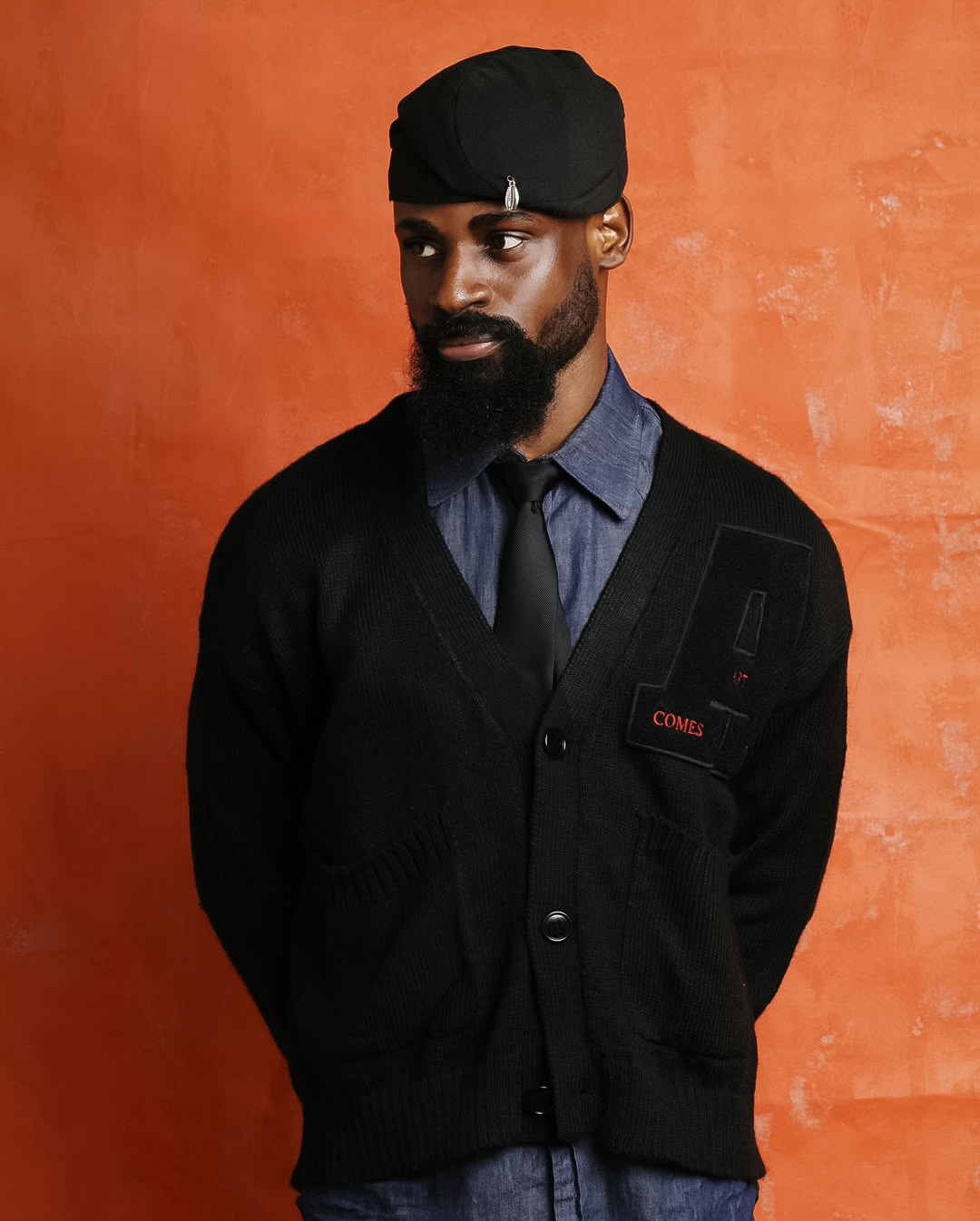
When asked whether men are more strategic than women, Onakoya rejected the idea outright. To him, the question itself reflects a social bias rather than any real truth about intelligence or ability. He made it clear that no gender has a monopoly on critical thinking, and that the visible imbalance in chess says more about access and encouragement than it does about talent.
“My opinion on this is very clear. I do not believe anyone has any monopoly on critical thinking or even strategic thinking,” he said.
He explained that more male players tend to dominate because more men have historically been encouraged to play. But within his own programme, he has seen that assumption collapse many times over.
MORE THAN A GAME
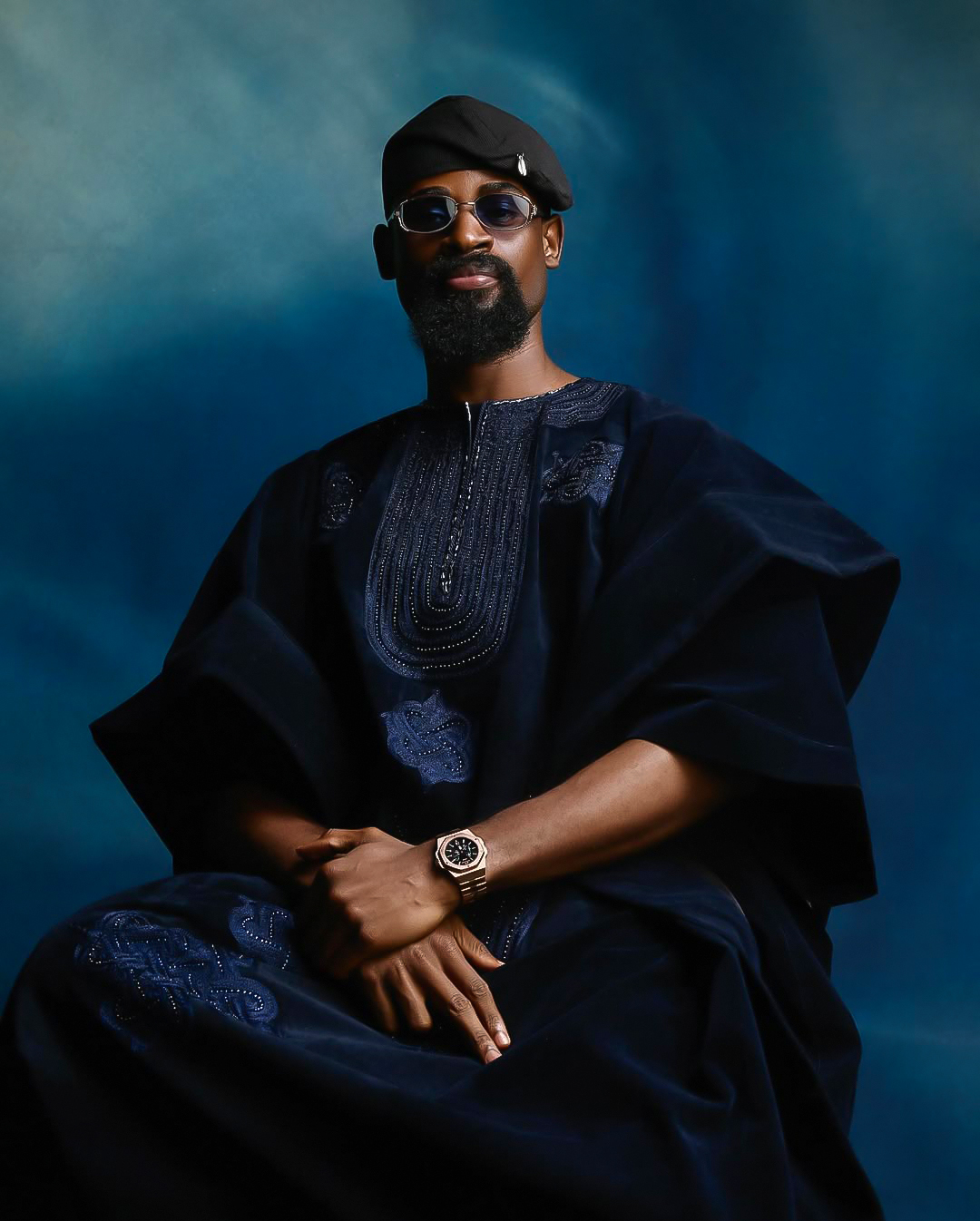
One of the most compelling things about Onakoya is the way he speaks about chess as something larger than competition. He does not reduce it to tournaments, rankings or trophies. Instead, he sees it as a flexible tool, something that can sharpen the mind, build confidence, and offer structure where there is none.
“I think chess can be many things,” he said, drawing on a line from The Queen’s Gambit: “Chess does not always have to be competitive. It can just be beautiful.” He went on to explain that the game has uses that stretch far beyond recreation. In schools, it supports critical thinking and can improve academic outcomes. In healthcare and rehabilitation settings, it has also found value. But beyond all that, what seems to matter most to him is how chess changes the person holding it. Over time, he suggested, it becomes more than an activity. It becomes a way of thinking, and in some cases, a philosophy for life.
THE DREAM THAT WAS REDIRECTED
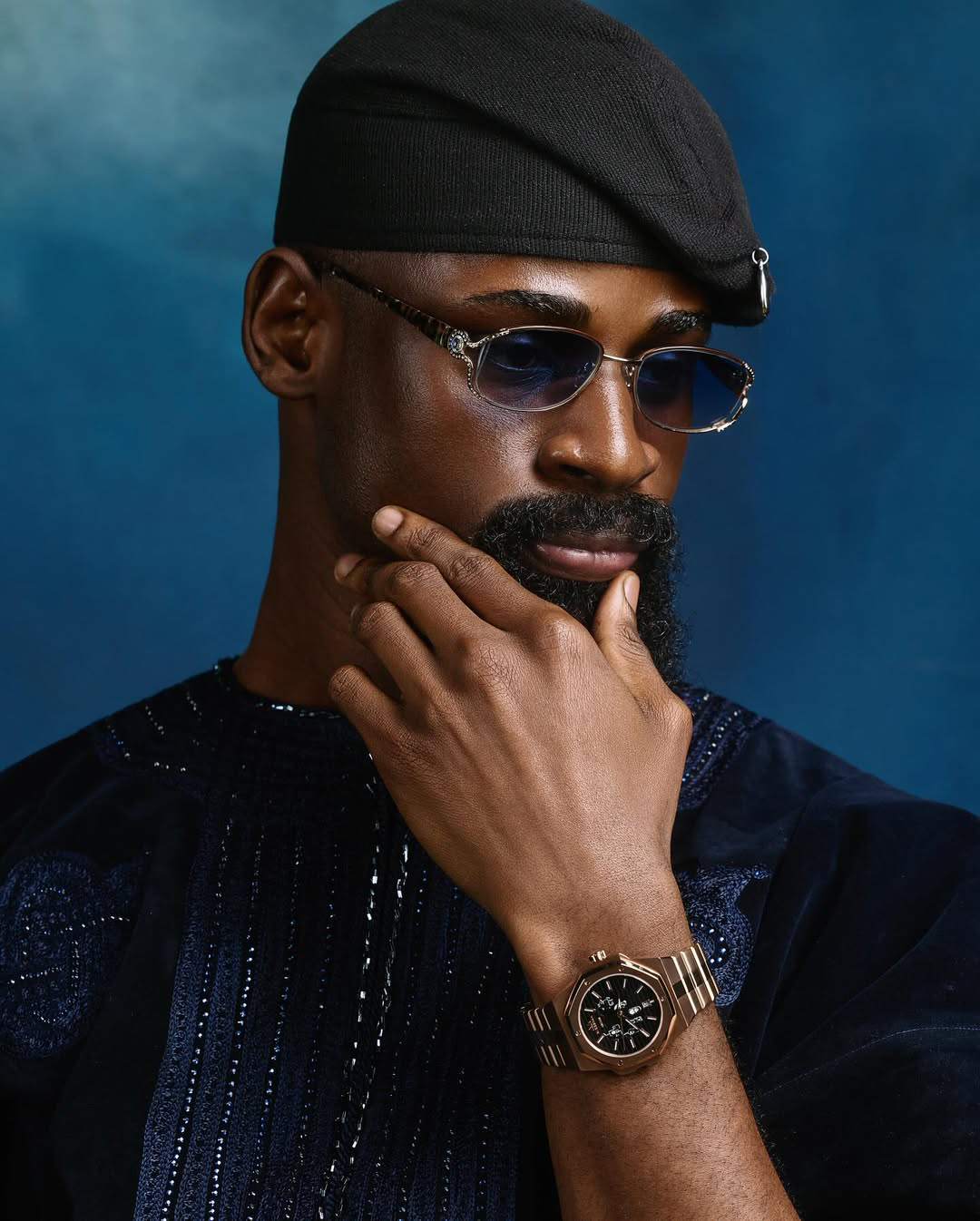
Long before chess became central to his life, Onakoya wanted something else for himself. He wanted to become a lawyer. But that dream was interrupted by a school system that treated academic identity too rigidly, pushing students into streams that often ignored their actual interests and strengths.
He remembered, “I always wanted to be a lawyer. I believe that was my passion on its own. But then my teachers vehemently refused that I join art class because it was for dullards, which was wrong. It was a very wrong assessment, because at that stage, this was when a child goes from JSS3 into the senior class, and passion matters most there. They wanted me to be in science class because they thought I was too smart for art class.”
“And that, I would say, has been such a tragic thing that has ruined the lives of so many people who went to pursue expression in the arts and humanities.
“I ended up struggling with science classes, and because of that, I never made it into university.
“I think we are only going to really measure the impact of that simple bias that has ruined the lives of so many students, and when I shared it on X, thousands of people expressed the same thing. This is something that probably still exists within our educational system.
That is my story. Of course, I have been lucky and I have been a bit of an outlier, and it has worked out for me, but I cannot help but think about other people,” he added.
PLAYING FOR SOMETHING BIGGER
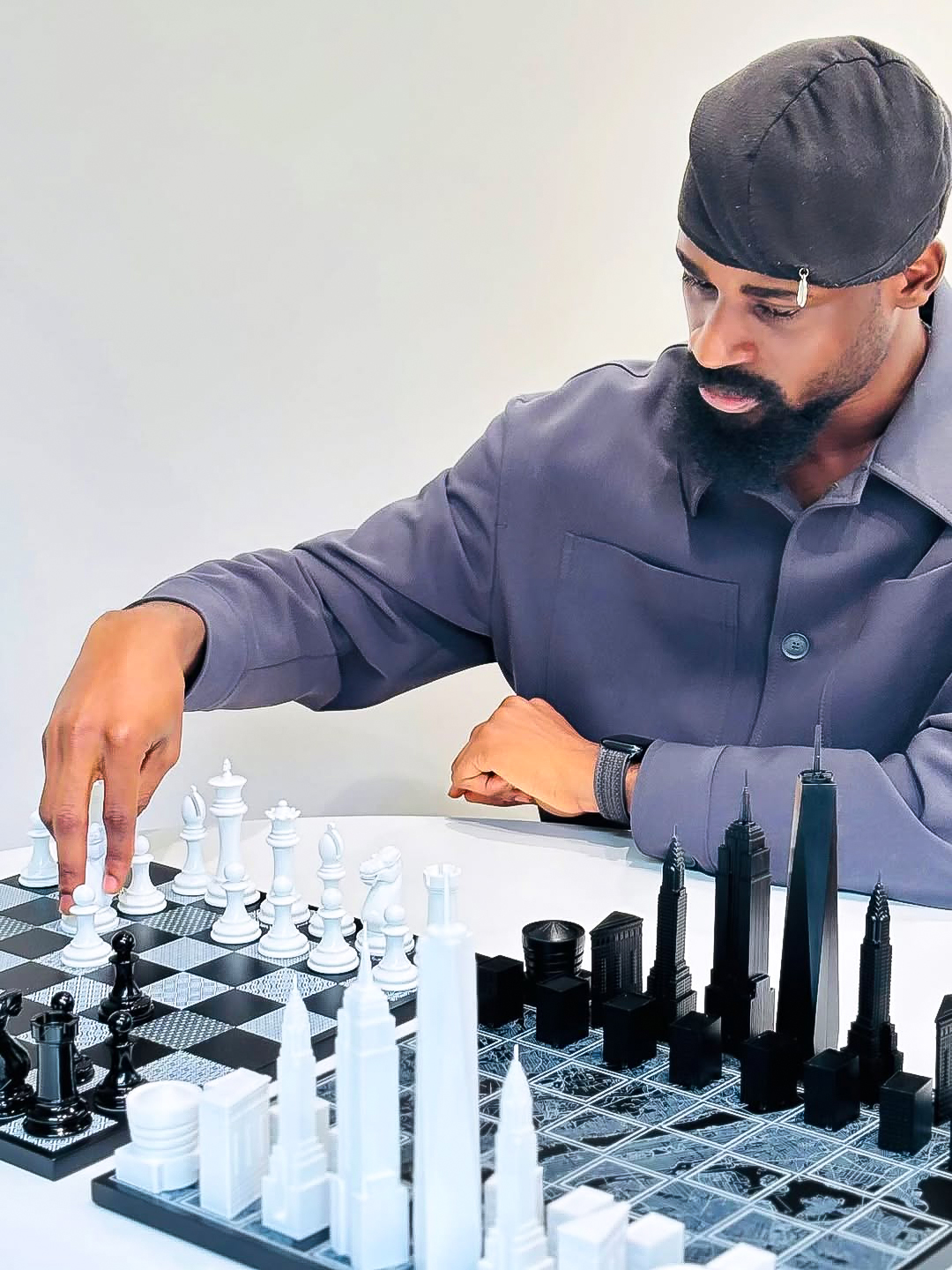
When Onakoya took on the Guinness World Record challenge, he was not doing it for vanity. The scale of the attempt may have attracted headlines, but he insisted that the real reason behind it was much simpler and far more urgent. “The reason was to raise money for the charity, for the children,” he said.
What he did not fully anticipate, he admitted, was how demanding the process would be. “When you try to do something that no one has ever done before, it requires a new kind of will to see it through.” There were moments when quitting would have been understandable. But what kept him steady was not pride. It was purpose.
“I was not doing it for myself or for personal glory. I was doing it for the dreams of many children, and people had travelled from all over the world to Times Square to support us, and when you have that, there is a way it empowers you. It gives you the strength to give people something new to believe in, to give people hope in this way.”
THE POWER OF SEEING YOURSELF
One of the moments that sharpened Onakoya’s sense of possibility came when he watched Queen of Katwe. He did not speak of it simply as a memorable film. He spoke of it as recognition. For the first time, he saw a young Black African child whose life had been changed through chess, and that image stayed with him.
“For the first time, I saw a young Black African child that chess gave a life to, and that changed everything for me,” he said. What moved him was not only the story, but what it made newly imaginable. “I came from nothing. Chess gave me a way out, and now I wanted to do the same thing for other children, because I believe chess can change their lives. So that was how it started.”
WHAT STILL LIES AHEAD
For all the recognition he has received, Onakoya does not speak like someone who believes the work is done. If anything, he sounds more aware of the scale of what remains.
He spoke about children on the streets, the risks they face, and the need for structured, lasting alternatives that can interrupt cycles of neglect and exclusion.
“There is just too much work ahead of us,” he said. While his organisation has already reached thousands of children, he is honest about the limits of what can be done without deeper institutional support. “We can do maybe 1,000 children or 3,000, but the government is the one that has the capacity to truly scale.” His ambition is clear and unapologetically large.
He wants to build the biggest chess academy in the world, not as a vanity project, but as a haven, a place where children can find direction, discipline and dignity. And even with that boldness, he remains patient. “Anything that is meaningful also takes time.”