GDN SIDEBAR
The problem is not that people do not know what to eat. The problem is far more interesting than that.
Last year, a woman walked into my consulting room with a folder.
Inside it were printed meal plans from three different nutritionists, seven pages of notes from online research, a food diary she had kept for two weeks, and a list of supplements recommended by four different people.
She had done everything right.

She sat down and said, “I know everything I am supposed to eat. I just cannot seem to actually eat it.”
In my years of nutrition practice, I have heard variations of that sentence more times than I can count. And every time I hear it, I am reminded of the same uncomfortable truth.
The problem with nutrition in Nigeria is not a lack of information. It is a crisis of application.

We have more nutrition advice than ever, and it is not helping
Nigerian social media is saturated with nutrition content. Instagram pages, TikTok videos, WhatsApp broadcasts, YouTube channels, all of them telling people what to eat, what to avoid, which supplements to take, and which diets will transform their health in thirty days.
Yet rates of diet-related disease are rising. Hypertension, type 2 diabetes, and obesity are increasingly common not just in the elderly but in young Nigerian professionals in their thirties and forties.
More advice. Worse outcomes. Why?
Because advice tells people what to do, it almost never addresses the conditions under which they are trying to do it.
The real world is not designed for good nutrition
Consider the average Lagos professional. They leave home before 6 am. Traffic swallows up ninety minutes of their morning. They arrive at work without having eaten. By the time lunch comes, the canteen has one option: rice, stew, and one piece of protein. They eat it in twelve minutes between meetings. By 4 pm, they are crashing, and the only food within reach is a packet of biscuits or a sugary drink from the vendor outside.
This is not a discipline problem. It is an environmental problem.
I once worked with a 34-year-old banker named Emeka (not his real name) who had been told by two different health professionals to eat more vegetables and reduce his carbohydrate intake. He agreed completely. He wanted to. But every meal he ate was either from a canteen, a restaurant, or a roadside food vendor. His environment offered him almost no opportunity to make those changes.
We spent three months not trying to change what he ate, but identifying where the small possible changes lived within his actual life. By month three, his blood pressure had improved, his energy was more stable, and he had lost six kilograms. Not because he followed a perfect meal plan. Because we designed around his reality.
The information is not the problem
There is also the matter of trust. Nigerian health and nutrition information is contaminated by misinformation: from social media influencers with no credentials, from supplement sellers with commercial interests, and from well-meaning family members repeating myths that have circulated for decades.
I worked with a young woman, Adaeze (not her real name), who came to me after six months of following a restrictive diet she had found on Instagram. She had lost weight, yes. But she was exhausted, her hair was thinning, and her menstrual cycle had become irregular. The diet was not designed by a professional. It had simply been shared enough times that it looked credible.
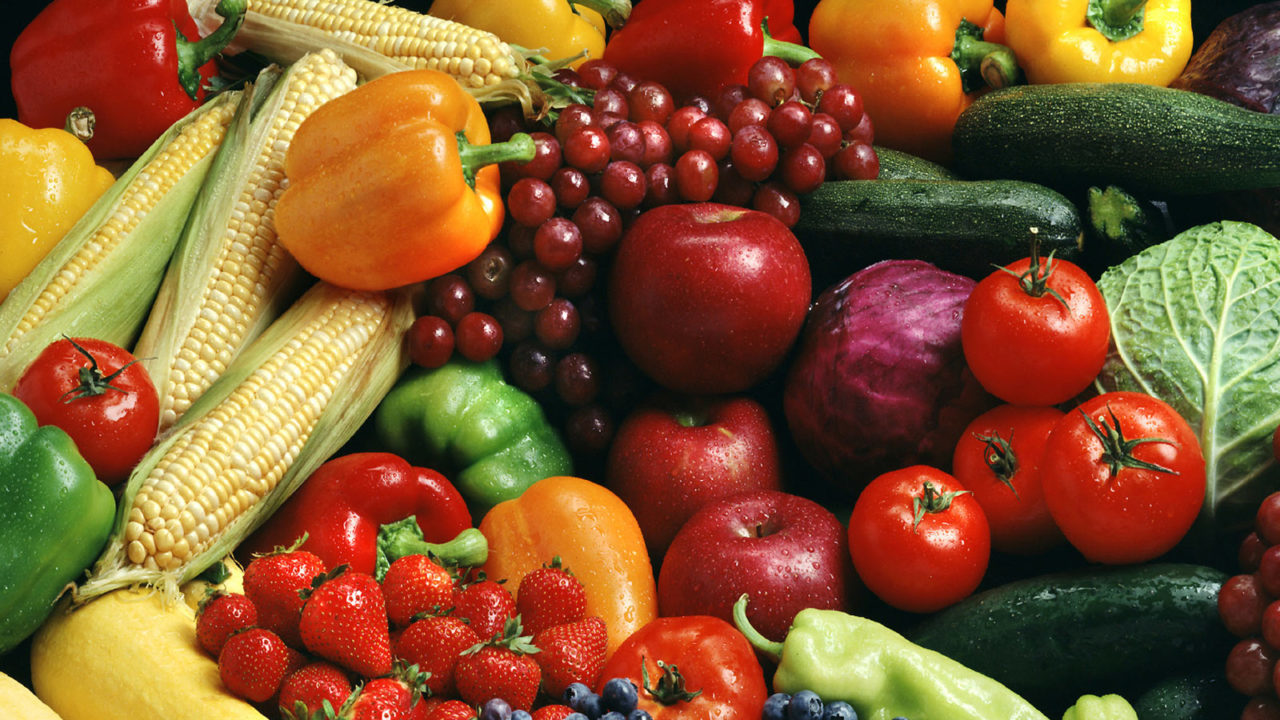
When I explained what was happening in her body and why, she was not defensive. She was relieved. “I wish someone had just explained it like that from the beginning,” she said.
That is the gap.
Not between what people know and what they should know.
But between what they are told and what they can actually understand, trust, and use in their real lives.
What actually works
After hundreds of consultations across clinical settings, wellness centres, and private practice, I have found that the interventions which create lasting change share three qualities.
They are practical: designed for the life the person is actually living, not the ideal version of it.
They are personalised: built around the individual’s environment, culture, schedule, and food preferences. A meal plan that works for someone in Lekki may be completely impractical for someone in Kano.
And they are honest: they acknowledge that eating well in Nigeria is genuinely difficult. The environment, the culture, the economics, and the pace of urban life all make it harder than any social media post suggests.
Good nutrition advice does not ask people to be different. It meets them where they are and moves them forward from there.
The column ahead
Over the coming weeks in this column, I will be writing about the real reasons Nigerians struggle with food and what actually helps. Not generic advice. Not imported diet trends that ignore our food culture. Practical, honest, evidence-based guidance rooted in Nigerian life.
Because the goal is not perfect eating, the goal is better eating. Consistently. Sustainably. In the life you actually have.
Fiyinfoluwa Odukoya is a clinical and public health nutritionist, author, and founder of YourDietBoy. He writes The Nutrition Gap, a weekly column on practical nutrition for Nigerian life. He is also the author of Consulting with Results.
Fiyinfoluwa Odukoya is a clinical and public health nutritionist, author, and founder of YourDietBoy. He writes The Nutrition Gap, a weekly column on practical nutrition for Nigerian life. He is also the author of Consulting with Results.