 Follow Us on Google News
 Follow Us on Google Discover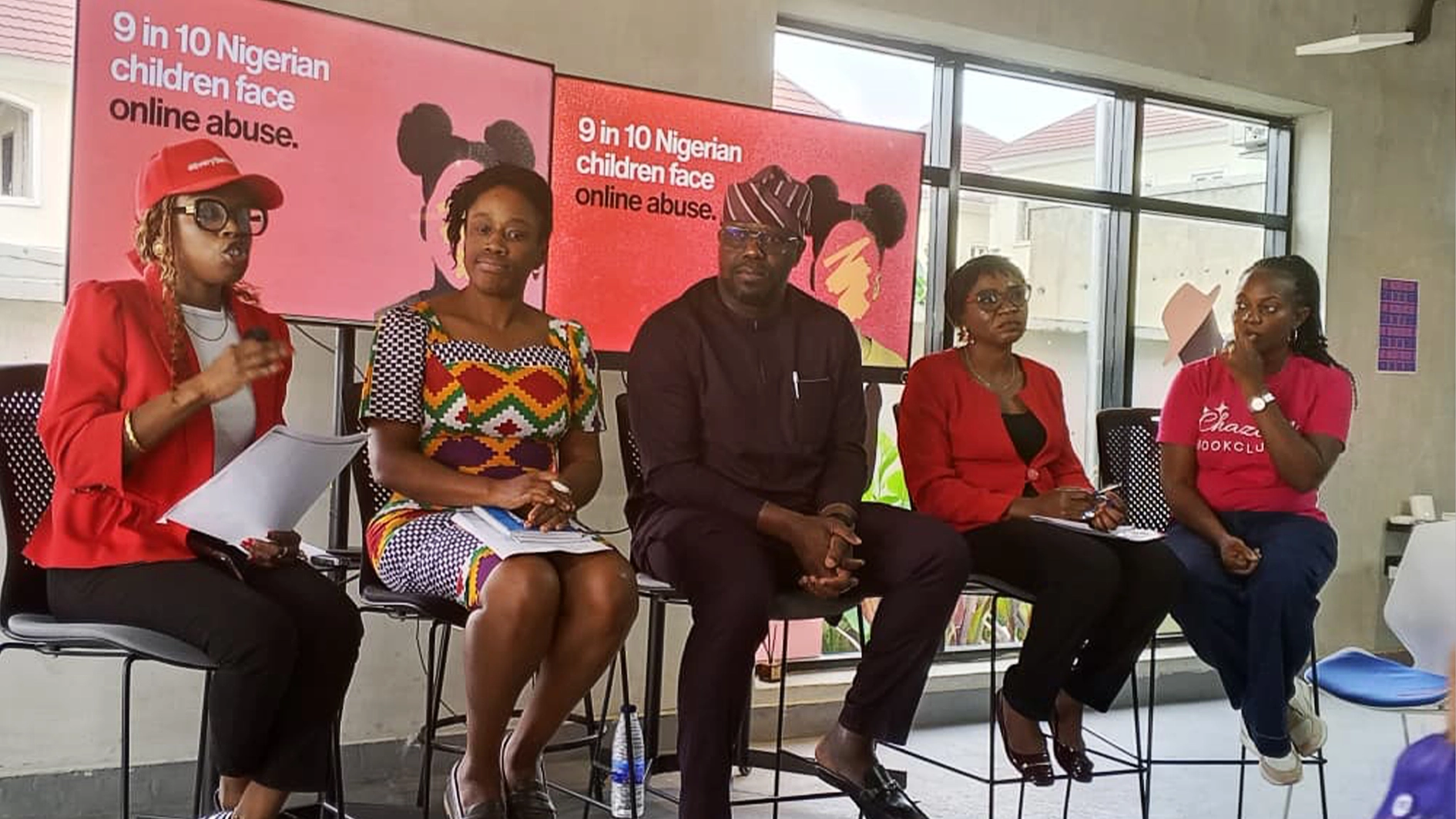
Nine out of every 10 Nigerian children have experienced at least one form of online abuse, prompting parents, child rights advocates, educators and civil society organisations to call for urgent action to make the country’s digital space safer for minors.
The concern dominated a stakeholders’ conversation organised by Gatefield on Tuesday under its “Every Second Counts” campaign, where participants urged the Federal Government, schools, technology companies and families to work together to strengthen online child protection through stricter regulations, improved digital literacy and greater accountability for digital platforms.
Speakers warned that millions of Nigerian children use the internet daily with little or no protection, while harmful content involving minors often remains online for more than 48 hours before being removed, increasing the risk of further abuse.
Moderating the discussion, Gatefield Campaign Lead, Christina Akintoye, said Nigeria’s digital environment had expanded rapidly without corresponding safeguards for children.
She noted that children now spend a significant part of their lives online, but safety measures have failed to keep pace with technological advancement.
“The online environment has changed dramatically. Children are online all the time, but their safety has not been built into the system from the beginning,” she said.

Describing the situation as a national emergency, Akintoye said Nigeria has Africa’s largest internet population, yet millions of children continue to access digital platforms without adequate protection.
Citing Nigerian Communications Commission (NCC) data, she said many children had been exposed to sexual content online or received unwanted sexual advances through digital platforms.
“If this were happening in a physical playground, nobody would wait to debate the appropriate response. The response would be immediate. Online, where children now spend hours every day, the response has been far slower,” she added.
Akintoye explained that Gatefield’s Every Second Counts campaign seeks to sustain public attention on online child safety and push for stronger child protection measures similar to those adopted in countries such as the United Kingdom and Australia.
“We believe parents, the media, government and the wider public all have a responsibility to ensure children’s safety online because every second counts,” she said.
Legal and Programme Officer at the Civil Society Legislative Advocacy Centre (CISLAC), Amy Onyinyechi, urged parents to make deliberate efforts to protect children by using parental controls and child-friendly digital platforms.
She stressed that online abuse affects both boys and girls and can leave lasting psychological scars.
“The dangers affect children mentally and psychologically. No particular gender is more vulnerable than the other,” she said.
Director of the Youth in Parliament Forum, Ojugo Onyelukachukwu Ojay, recounted how his teenage daughter recognised the dating application Tinder after noticing it on his phone, an experience he said made him more vigilant about monitoring the digital content accessible to his children.
Medical practitioner, Dr. Joy Nafesa Kabir, called for sustained public awareness campaigns involving influencers, religious leaders and community organisations to educate parents with limited digital literacy, stressing that advocacy should continue even after new laws are enacted.
Lead of Chazown by Ella’s Bookclub, Emmanuella Iyayi, said regular conversations with children about what they consume online have become one of the family’s strongest safeguards.
She warned that early exposure to harmful online content could have lifelong consequences, recalling her own experience of seeing explicit material at the age of four.
“What children see, they never forget. Working with teenagers, the stories they tell are heartbreaking. Parents are the first gatekeepers. If possible, children should stay off the internet until they are mature enough,” she said.
Iyayi added that families, schools, faith-based organisations, government institutions and technology companies all share responsibility for tackling misinformation and manipulated content online.
“There should be systems that clearly distinguish authentic content from manipulated material,” she said.
Several participants also criticised the increasing use of internet-enabled tablets in schools without adequate safeguards, arguing that unrestricted online access exposes children to unnecessary risks.
They further warned that excessive internet use is diminishing children’s creativity and urged the government to introduce stronger regulations compelling social media companies to remove harmful content involving children within 48 hours.
The stakeholders also expressed concern over the growing misuse of artificial intelligence, warning that AI-generated deepfakes and manipulated content are becoming increasingly difficult to detect and could further endanger children and undermine public trust, particularly during election periods.

