 Follow Us on Google News
 Follow Us on Google Discover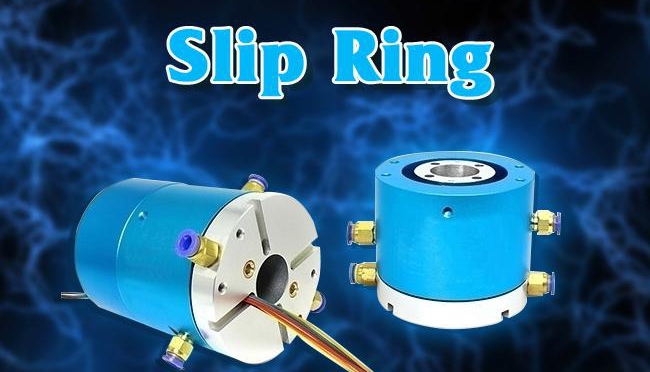
A slip ring is an electrical connector, well known for bridging the gap between a rotating shaft and a stationary object. These are also known as the rotary electrical joints and help in precision and uninterrupted performance. Slip rings play a pivotal role in many industries, propelling machinery and equipment to new heights of efficiency and capability.
[ad]
With these electrical connectors, electrical information and energy can be sent among shafts and other things. Engineers or tech practitioners use it in machinery, such as electric motors, generators, and turbines. This article presents a comprehensive guide that lays down the fundamentals, the complex mechanisms, and the wide array of industries where these are valued.
So, whether you’re an engineering enthusiast, a tech connoisseur, or simply curious about the wheels that turn our modern world, this comprehensive guide is your gateway to understanding the applications of slip rings. Hang in there with us!
What Are Slip Rings?
A slip ring is a complex electronic device that helps electrical data and power move smoothly between parts of machines and systems that stay still and parts that move. An important middleman solves the problem of rotating parts by letting parts that need to move and parts that don’t move talk to each other and send power without interruption.
It comprises several important parts, such as conductive rings and brushes, which allow electrical currents and messages to be sent across the rotating surface. The conducting bands, usually made of strong materials that don’t rust, are attached to the spinning part. On the other hand, the brushes, generally made of carbon or graphite that conducts electricity, touch these rings to make an electrical link.
[ad]
Slip rings are cleverly made so that the brushes always stay in contact with the rings, even when the rings are turning. Depending on the application, this constant link makes sending signs, data, video clips, power, and even fluids possible. Slip rings are used in many different fields because of this, including robots, industrial, aircraft, medical equipment, and more.
The Mechanism Behind Slip Rings
A system of parts works together smartly to power slip rings and transmit electrical data and power across spinning surfaces. The part that rotates is connected to metallic rings, and brushes always maintain contact with these rings in slip rings. As the machine turns, the brushes keep putting pressure on the rings, which lets electrical currents, data, and messages go between parts that are still and parts that are moving.
One can make this bigger to handle other types of communication, like fluids or light signs. Engineers consider things like wear, heat, and resistance when making the design. For long-lasting performance, they use advanced materials and cleaning methods. In the end, the combination of mechanical accuracy and creative design allows slip rings to overcome the problems of spinning systems. This makes communication and power sharing smooth in many different industries.
Applications Of Slip Rings Across Industries
Slip rings play a pivotal role in various industries as indispensable components enabling seamless connectivity, data transmission, and power transfer across rotating interfaces. Here are some notable examples:
Robotics and Automation
Slip rings are a key component of automated systems, where precise operation and control are very important. They enable continuous rotation in robotic arms and automated machinery, ensuring seamless transmission of power and data signals. This facilitates precise movements in applications ranging from assembly lines to material handling, enhancing overall efficiency and productivity.
Aerospace and Aviation
Slip rings are critical in communication and navigation systems in aerospace and aviation. They allow aircraft and satellites to maintain constant contact between stationary components and rotating parts, such as radar systems and navigation equipment. This constant connection is needed for correct data transfer, which is important for safe and effective operations.
Medical Equipment
Medical imaging equipment relies on slip rings to facilitate smooth and uninterrupted data transfer. For instance, CT scanners and MRI machines use slip rings to maintain connectivity between the stationary and rotating parts. This enables the acquisition of high-quality diagnostic images without interruptions, which is crucial for accurate medical diagnoses.
Wind Energy
The wind energy industry benefits from slip rings in wind turbines. They enable power transfer from the rotating blades to the stationary generator components. This seamless power transmission enhances energy conversion efficiency and contributes to the generation of clean and sustainable energy.
Broadcast and Entertainment
In broadcast and entertainment, slip rings play a vital role in camera systems. They allow unrestricted movement of cameras during live events and television broadcasts while ensuring continuous transmission of audio, video, and power signals. This dynamic capability enhances the quality of broadcasting and production.
[ad]
Military and Defense
Slip rings find applications in military and defense equipment, particularly in radar systems, surveillance devices, and communication tools. They ensure reliable signal transmission in demanding operational environments, supporting critical operations on vehicles, vessels, and installations.
Industrial Manufacturing
In industrial manufacturing, slip rings are employed in various equipment such as rotary tables and printing presses. They enable smooth rotational movement without tangling cables, contributing to enhanced precision and efficiency in manufacturing processes.
Automotive Testing
Automotive testing facilities utilize slip rings in testing rigs to facilitate data and power transmission between stationary testing equipment and rotating vehicle components. This aids in comprehensive vehicle testing and diagnostics.
Marine and Offshore
Marine and offshore industries benefit from slip rings in equipment like cranes, winches, and rotating cameras on ships and oil platforms. Slip rings ensure consistent data transmission and power supply during maritime operations, supporting tasks in challenging marine environments.
Space Exploration
In space exploration, slip rings play a crucial role in maintaining communication and power supply between stationary and rotating components. They are essential for satellites, space probes, and rovers, enabling data transmission and control in remote and dynamic space environments.
The Advantages Of Slip Rings
Utilizing slip rings offers a multitude of advantages that make them essential components in various industries and applications. These are some of the main advantages of employing slip rings:
Uninterrupted Connectivity
Slip rings let parts that aren’t moving talk to each other and send power to moving parts. This seamless connectivity is essential in robotics, aerospace, and wind energy applications, where uninterrupted data transfer and power supply are critical.
[ad]
Precise Data Transmission
Slip rings ensure accurate data transmission without signal degradation. This precision is crucial in applications like medical imaging and high-frequency communication, where maintaining data integrity is paramount.
360-Degree Rotation
Slip rings facilitate unrestricted rotational movement without tangling cables or limiting motion. This feature is vital in equipment such as robotic arms, where a full range of motion is required for intricate tasks.
Reduced Wear and Tear
Slip rings reduce the strain on lines and connections by eliminating the need to wound or twist them. This means that the tools will last longer and need less upkeep.
Enhanced Reliability
The robust design of slip rings ensures consistent electrical contact even in challenging conditions. This reliability is essential in critical industries like aerospace and defense, where equipment must perform flawlessly in demanding environments.
Versatility
Slip rings accommodate various transmission needs, including electrical signals, data, fluids, and gases. They may be used in a variety of settings, making them marketable to many different businesses.
Conclusion
Slip rings are remarkable engineering solutions that bridge the gap between stationary and rotating components in various industries. Their ability to ensure uninterrupted connectivity, precise data transmission, and efficient power transfer has propelled them into vital roles across applications like robotics, aerospace, medical imaging, and more. With their capacity to accommodate diverse transmission needs and adapt to evolving technologies, slip rings continue to drive innovation, enhance efficiency, and elevate the performance of modern machinery and systems. As industries evolve, slip rings remain steadfast as critical enablers of seamless communication and power transfer, underpinning the progress of technology-driven sectors across the globe.
[ad]

