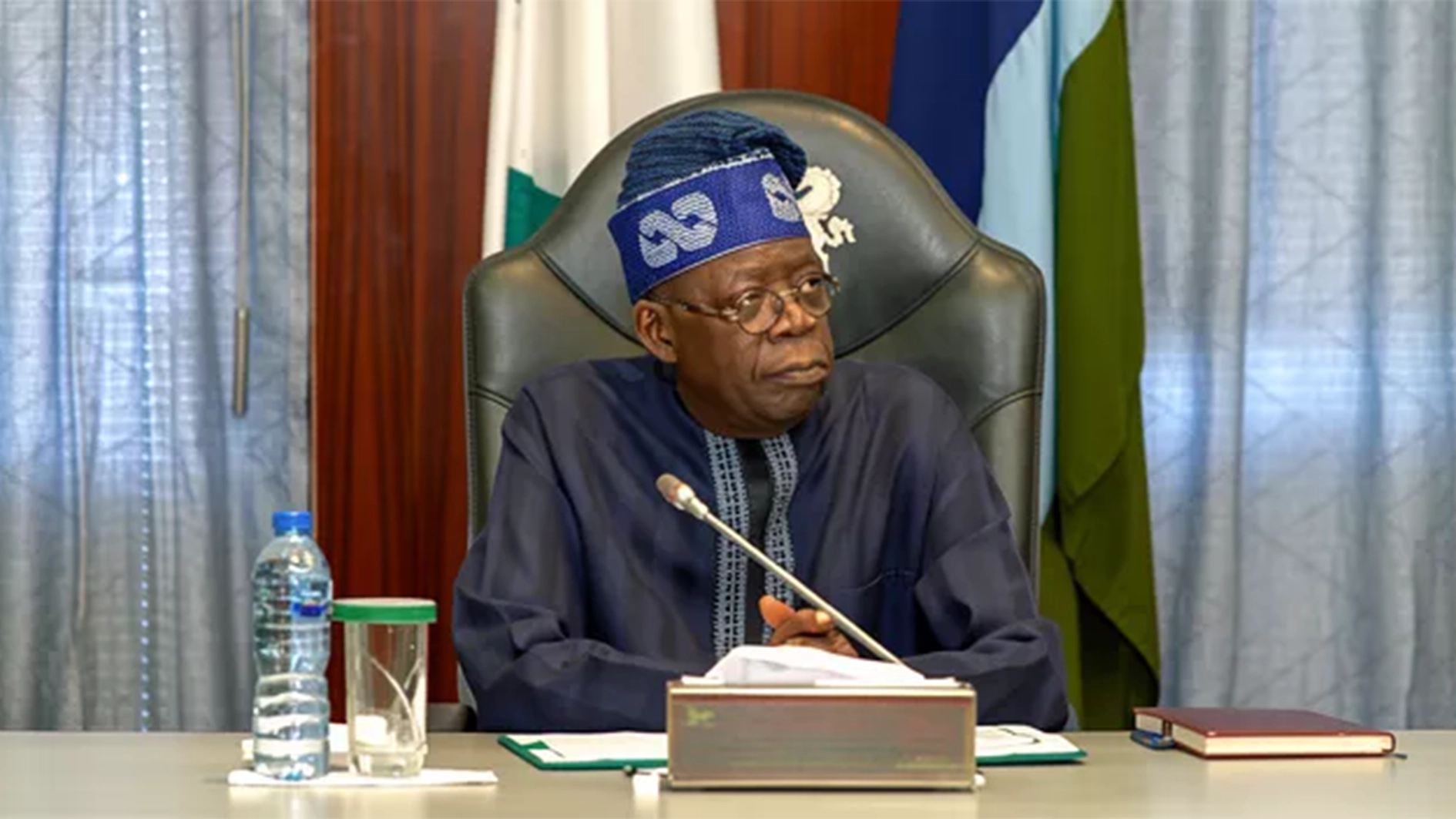
ActionAid Nigeria has expressed concerns over the Federal Government’s proposed 2026 Appropriation Bill, warning that its financing structure, rising deficit, and weak sectoral allocations pose a threat to fiscal sustainability, public debt management, and inclusive development.
In a statement signed by its Country Director, Andrew Mamedu, ActionAid said although the proposed ₦58.18 trillion budget, representing a 5.8 per cent increase over the 2025 approved budget, signals continuity in government programmes, it raises red flags over accountability and social sector neglect.
The organisation noted that the Federal Government had revised the 2024 Appropriation Act by increasing its size from ₦35.06 trillion to ₦43.56 trillion and extending its implementation to December 31, 2025, while the 2025 budget was extended to March 31, 2026, with its size reduced from ₦54.99 trillion to ₦48.32 trillion.
However, it noted that the practice of extending budget timelines without robust parliamentary scrutiny weakens accountability and encourages off-budget spending, particularly for capital projects. It added that the simultaneous operation of the 2024, 2025, and proposed 2026 budgets undermines transparency and legislative oversight.
The organisation also faulted the National Assembly for post-submission alterations to budget proposals, including upward revisions to sectoral allocations without secured financing plans, which it said have contributed to persistent funding gaps, delayed releases, and the rollover of capital projects.
ActionAid described these measures as “stop-gap and cosmetic”, arguing that they fail to address the structural weaknesses responsible for Nigeria’s recurring budget failures.
It, however, stressed the need for amendments to the Fiscal Responsibility Act (FRA) 2007 and constitutional reforms to enforce clear and binding budget timelines.
On the fiscal outlook, ActionAid noted that the proposed 2026 budget projects federally retained revenue of ₦34.33 trillion against total expenditure of ₦58.18 trillion, resulting in a deficit of ₦23.85 trillion. It said the figure represents a 69 per cent increase over the 2025 deficit and a 160 per cent increase over the 2024 deficit, making it the largest in Nigeria’s history.
The organisation warned that continued reliance on borrowing without sufficient investment in productive and social sectors would deepen inequality and worsen poverty.
ActionAid further criticised allocations to education and health, noting that ₦3.52 trillion allocated to education represents just 6.05 per cent of the total budget, far below global benchmarks, while ₦2.48 trillion allocated to health amounts to 4.26 per cent, well short of the Abuja Declaration target. In contrast, defence was allocated ₦5.41 trillion, or 9.3 per cent of the budget.
The group also expressed concern about inadequate investment in agriculture, women-led enterprises, rural infrastructure, and value-chain development, warning that underemployment—particularly among women and rural populations—would persist without targeted spending.
ActionAid said weak funding for social protection programmes such as cash transfers, school feeding, and smallholder farmer support could push more households into poverty amid rising food prices and unemployment.
It also faulted the delayed submission of the Medium-Term Expenditure Framework, Fiscal Strategy Paper, and the 2026 Appropriation Bill in December 2025, describing it as a violation of the Fiscal Responsibility Act.
ActionAid urged the Federal Government and the National Assembly to end the practice of running multiple budgets, reduce reliance on borrowing, protect social sector funding, and prioritise human development in the 2026 budget.
The organisation said that continued emphasis on debt servicing and recurrent expenditure over human development would deepen inequality and weaken social cohesion.
It called for a people-centred, transparent, and accountable budget to promote inclusive development and restore public trust in governance.