 Follow Us on Google News


 Follow Us on Google Discover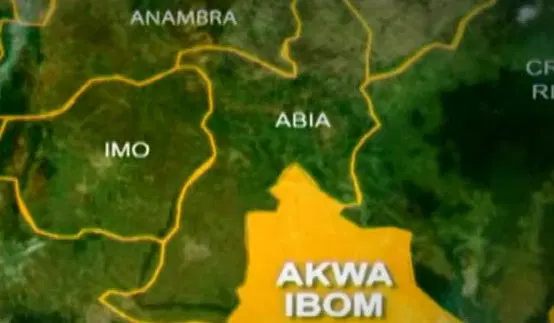
Environmental activists from across the country have faulted moves to de-reserve Akwa Ibom State’s Stubb’s Creek Forest Reserve to make way for the Lagos–Calabar Coastal Highway, warning that the action could cause irreversible ecological damage and violate Nigeria’s environmental laws.
At a press conference in Abuja yesterday, the activists expressed alarm over the Akwa Ibom State Government’s reported support for the de-reservation of the protected forest to accommodate the highway project.
They described the move as a grave threat to one of Nigeria’s most ecologically significant ecosystems. Stubb’s Creek Forest Reserve, established under the colonial Forest Reserve Order No. 45 of 1930, is regarded as a vital mangrove–freshwater forest system in the Niger Delta.
Speaking on their behalf, Dr Kelechi Okezie described the reserve as a biodiversity hotspot that provides critical ecosystem services, including coastal protection, flood regulation, fisheries breeding grounds and livelihoods for indigenous and forest-dependent communities.
The activists, drawn from various civil society organisations (CSOs), warned that routing a major infrastructure project through such a fragile ecosystem would result in large-scale deforestation, disruption of hydrological systems, loss of biodiversity and increased coastal vulnerability.
They argued that the forest’s current legal status places a clear obligation on government authorities to prevent incompatible land use, stressing that any attempt to de-reserve part or all of the forest would contradict its conservation mandate and set a dangerous precedent.

Citing global evidence, the group noted that the degazettement of protected areas often leads to rapid and irreversible environmental degradation.
They further warned of cumulative environmental impacts, pointing out that an abandoned 2017 superhighway project and the ongoing BUA refinery development within the reserve have already accelerated deforestation and illegal logging activities.
According to them, there is no evidence that mitigation measures promised in previous environmental assessments were implemented, leaving the ecosystem severely stressed.
On the legal front, the coalition cited Section 20 of the 1999 Constitution, which mandates the state to protect the environment, as well as the Environmental Impact Assessment (EIA) Act of 1992, which requires comprehensive and transparent environmental assessments before project approvals.
They raised concerns that the Environmental and Social Impact Assessment (ESIA) for the coastal highway reportedly began only in January 2026—after key approvals and public announcements on the project’s alignment had already been made.
Beyond legal considerations, the group said the issue touches on climate resilience, indigenous rights and Nigeria’s international commitments on biodiversity and climate change, warning that the destruction of mangrove and wetland systems in the Niger Delta would worsen flooding, erosion and ecosystem collapse.
The activists called on the Federal Ministry of Works to reroute the highway away from Stubb’s Creek, urged the Ministry of Environment to order a cumulative ESIA and enforce the precautionary principle, and appealed to the Akwa Ibom State Government to reaffirm the reserve’s protected status.
They maintained that rerouting the highway is both feasible and necessary, insisting that genuine development must not come at the cost of ecological collapse and long-term climate vulnerability.

