 Follow Us on Google News
 Follow Us on Google Discover
The African Export-Import Bank (Afreximbank) has reaffirmed its commitment to reducing the continent’s dependence on external financial systems and imported refined products through sustained support for transformative projects aimed at boosting Africa’s productive capacity.
Speaking at a virtual media parley, the bank’s Senior Executive Vice President, Denys Denya, said Afreximbank remains focused on financing initiatives that strengthen value addition, industrialisation, and self-sufficiency in critical sectors such as refining, logistics, and manufacturing.
He pointed out that the bank’s role in supporting refining projects across the continent is a clear demonstration of its long-term commitment to Africa’s industrial transformation.
Among the most notable examples is Afreximbank’s facilitation of financing for the Dangote Refinery, a landmark energy infrastructure project expected to significantly reduce Nigeria’s dependence on imported petroleum products while improving regional fuel security.
According to Denya, such interventions are designed to ensure that Africa’s natural resources are processed within the continent, thereby retaining economic value locally and reducing exposure to global market disruptions.
He stressed that strengthening domestic refining capacity is central to the continent’s industrial ambitions, as it supports job creation, stimulates ancillary industries, and builds resilience against foreign exchange pressures and supply chain vulnerabilities.
Denya said the bank’s strong financial performance in 2025 underscored its resilience and ability to continue driving its strategic agenda across Africa.
“The 21 per cent increase in total assets and contingencies to $48.5 billion for the 2025 operations, against $40.1 billion recorded in the corresponding period in 2024, and net income which increased by 19 per cent to $1.2 billion in 2025 from $973.5 million in the prior year, is an indication of the bank’s sustained financial resilience, increased market confidence and strategic execution,” he said.
He added that the performance has placed Afreximbank in a strong position to deepen its interventions in trade finance, industrial development, and infrastructure delivery across the continent.
Denya also cited the success of the bank’s $2 billion dual-tranche syndicated facility as a major signal of growing investor confidence in its long-term strategy.
“The success of the $2 billion dual-tranche syndicated facility, which is the largest-ever syndicated loan and was oversubscribed, attracting over 30 global lenders at a time when financing conditions remain challenging, is an indication that investors believe in the clarity of the bank’s vision,” he stated.
He noted that the transaction reflected not only the institution’s financial credibility but also the strength of its developmental mission.
“We believe in our mission. We have been engaging those lenders on what we are doing and the credit profile of the bank. They believe in our mission, they believe in what they see, not only in what the rating agencies say,” he said.
“Our mission is very clear. What we have implemented in PAPSS, AfrexInsure and FEDA, and how these projects have yielded results, is giving them confidence that they are dealing with a credible institution.”
He added that the bank’s renewed focus on industrialisation and refining comes as it continues to position itself as a leading financier of transformative projects under the framework of the African Continental Free Trade Area, with emphasis on infrastructure, regional integration, and productive sector expansion.
Denya said the bank has intensified support to member countries facing global economic shocks, including disruptions linked to the ongoing Middle East conflict, through the $10 billion crisis response programme designed to sustain the flow of essential imports such as fuel, food, fertilisers and pharmaceuticals, while also supporting exporters positioned to benefit from higher commodity prices, particularly in oil and gas, and providing targeted relief to affected sectors including aviation and tourism.
He noted that the initiative is already gaining traction in countries such as Tanzania and Kenya, adding that its broader impact would become more visible across Africa in the coming period.
“The aim of this programme is to ensure sustained essential imports such as fuel, food, fertilisers, and pharmaceuticals, supporting exporters also who seek to benefit from higher commodity prices, especially oil and gas, and provide targeted relief to affected sectors such as aviation and tourism. We have seen off take in the response in Tanzania and Kenya and you will see the effect in greater way in Africa,” he said.
Afreximbank leverages strong finances, rising investor confidence to advance Africa’s productive expansion
Date: 27 April 2026 12:39pm WAT
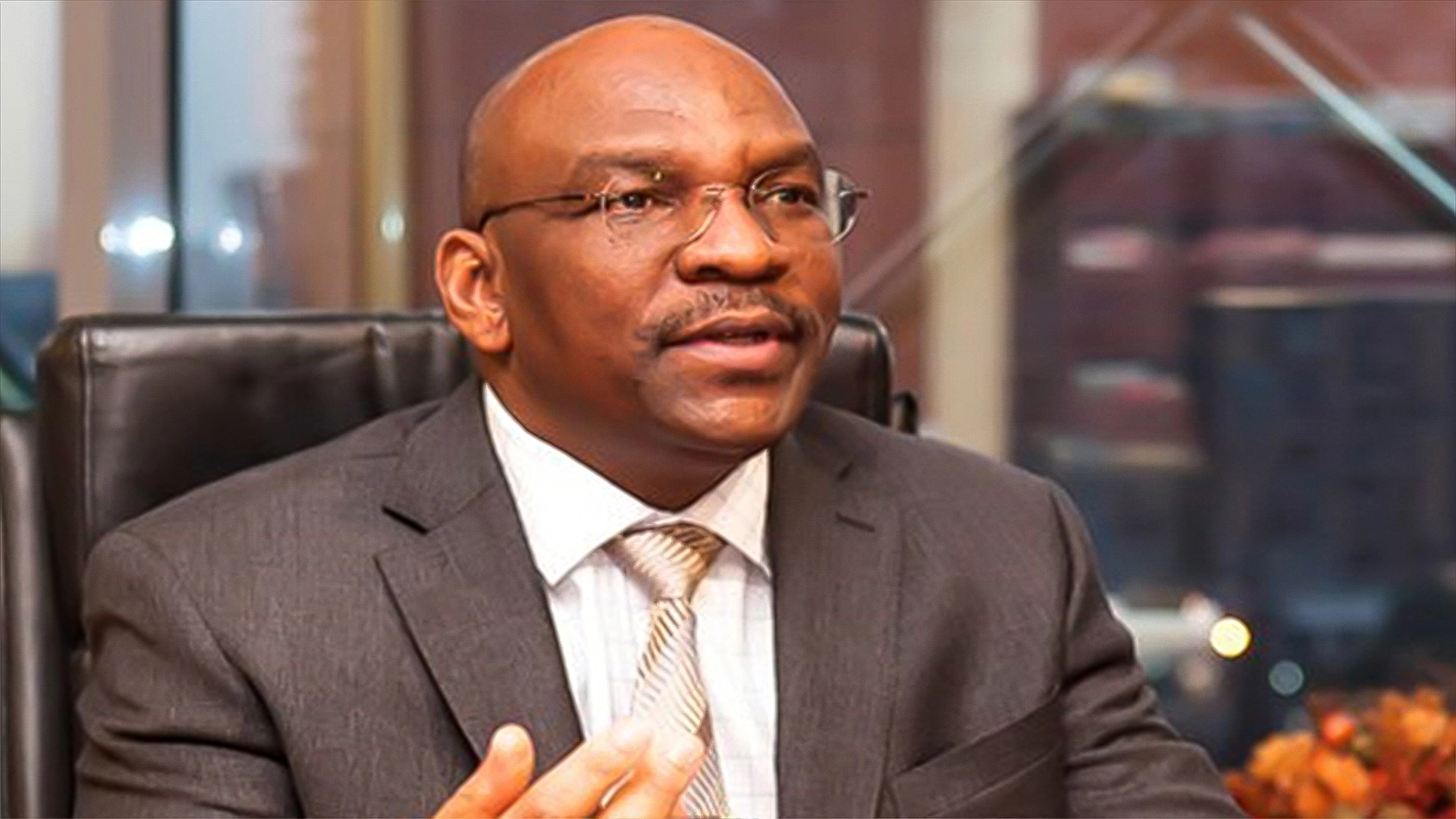
Denys Denya, the Executive Vice President of Finance, Administration, and Banking Services at Afreximbank.
Denys Denya, the Executive Vice President of Finance, Administration, and Banking Services at Afreximbank.

