 Follow Us on Google News


 Follow Us on Google Discover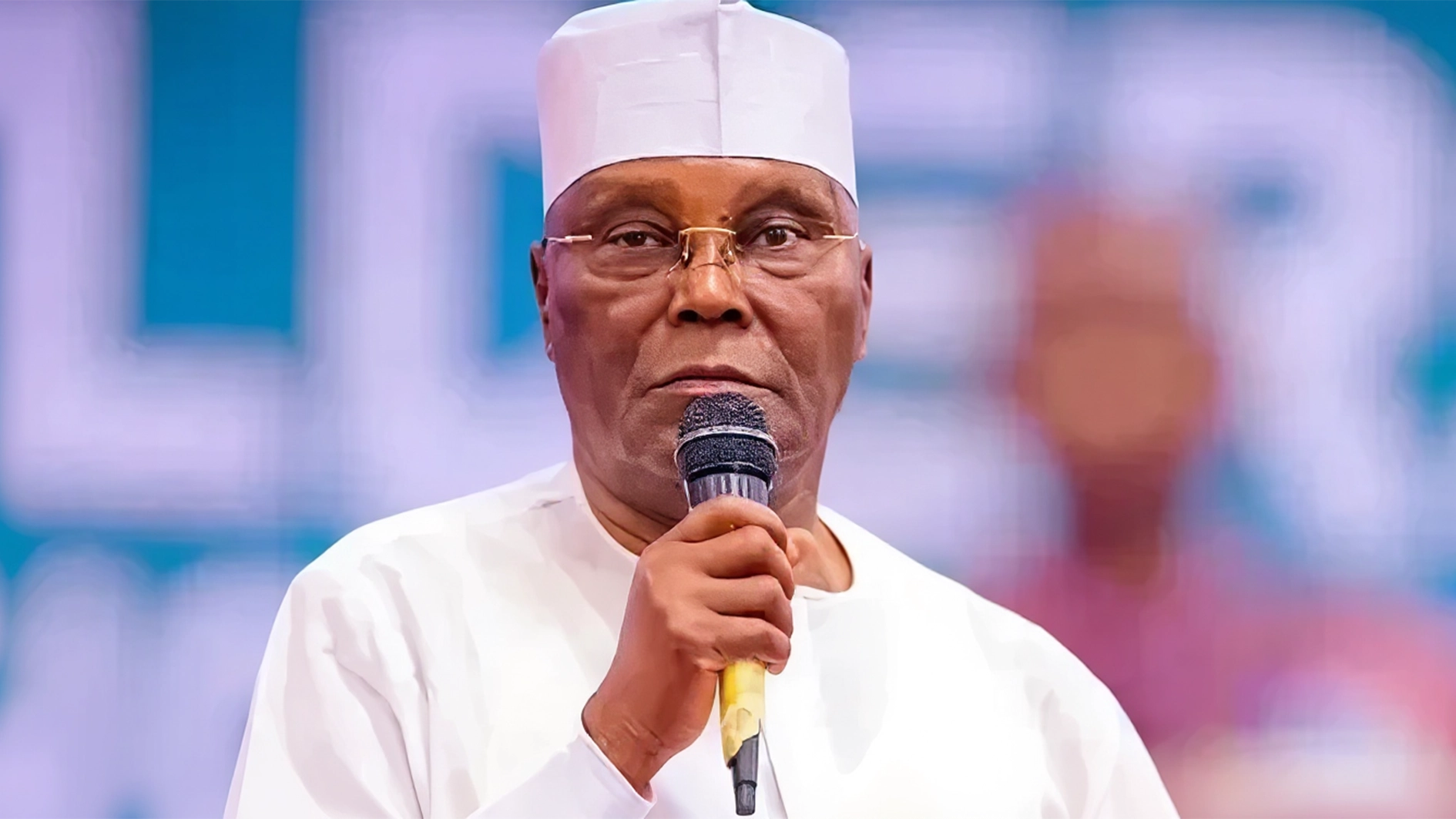
Atiku Abubakar’s emergence as the African Democratic Congress (ADC) presidential flagbearer signals a major turning point for the party and a significant shift in the early dynamics of Nigeria’s 2027 political race.
Final result
Out of 3,113,599 registered ADC members, 2,527,977 voted. And out of these votes,
Mohammed Hayatudeen – 177,120
Rotimi Amaechi – 504,117
Atiku Abubakar – 1,846,370

This is more than a routine primary outcome. It represents the consolidation of a political platform seeking to reposition itself as a national alternative, now backed by a candidate with deep political experience, widespread recognition, and established networks across the country.
With this development, ADC moves from internal consolidation to full-scale national engagement. The focus is no longer on participation but on competitiveness—how effectively the party can expand its reach, strengthen its structures, and present itself as a credible option to Nigerians facing rising economic pressure, insecurity, unemployment, and declining purchasing power.
At a time of widespread public frustration, the central question across communities remains unchanged: who can deliver meaningful relief and restore confidence in governance? ADC is now expected to frame Atiku’s candidacy as part of its response to that national concern.
Atiku brings decades of political experience, strong name recognition, and a broad support base across Nigeria’s regions. His track record in national elections and established political networks give ADC an immediate advantage in visibility and early momentum. In presidential politics, such factors often shape the early contours of competition long before election day.
The task ahead for ADC is to convert this momentum into a disciplined national campaign—strengthening state structures, unifying party stakeholders, and translating visibility into electoral strength. The transition from primary victory to general election readiness will determine how far the party can go.
Crucially, ADC now faces the challenge of internal cohesion. A competitive primary inevitably produces winners and runners-up, but sustaining a viable movement requires integration, not exclusion. Figures such as Rotimi Amaechi, Mohammed Mohammed Hayatu-Deen, and their respective supporters are now strategic assets whose influence and networks will be important in building a broader coalition.
The message from ADC at this stage is expected to be unity and collective purpose: a national project rather than a personal ambition, driven by shared concerns over governance, economic hardship, and institutional performance.
While the ruling APC is likely to downplay the development and question the opposition’s cohesion, the emergence of a unified platform around a nationally recognized candidate introduces a new layer of competition into the 2027 landscape.
For ADC, the real test has now begun.

