 Follow Us on Google News


 Follow Us on Google Discover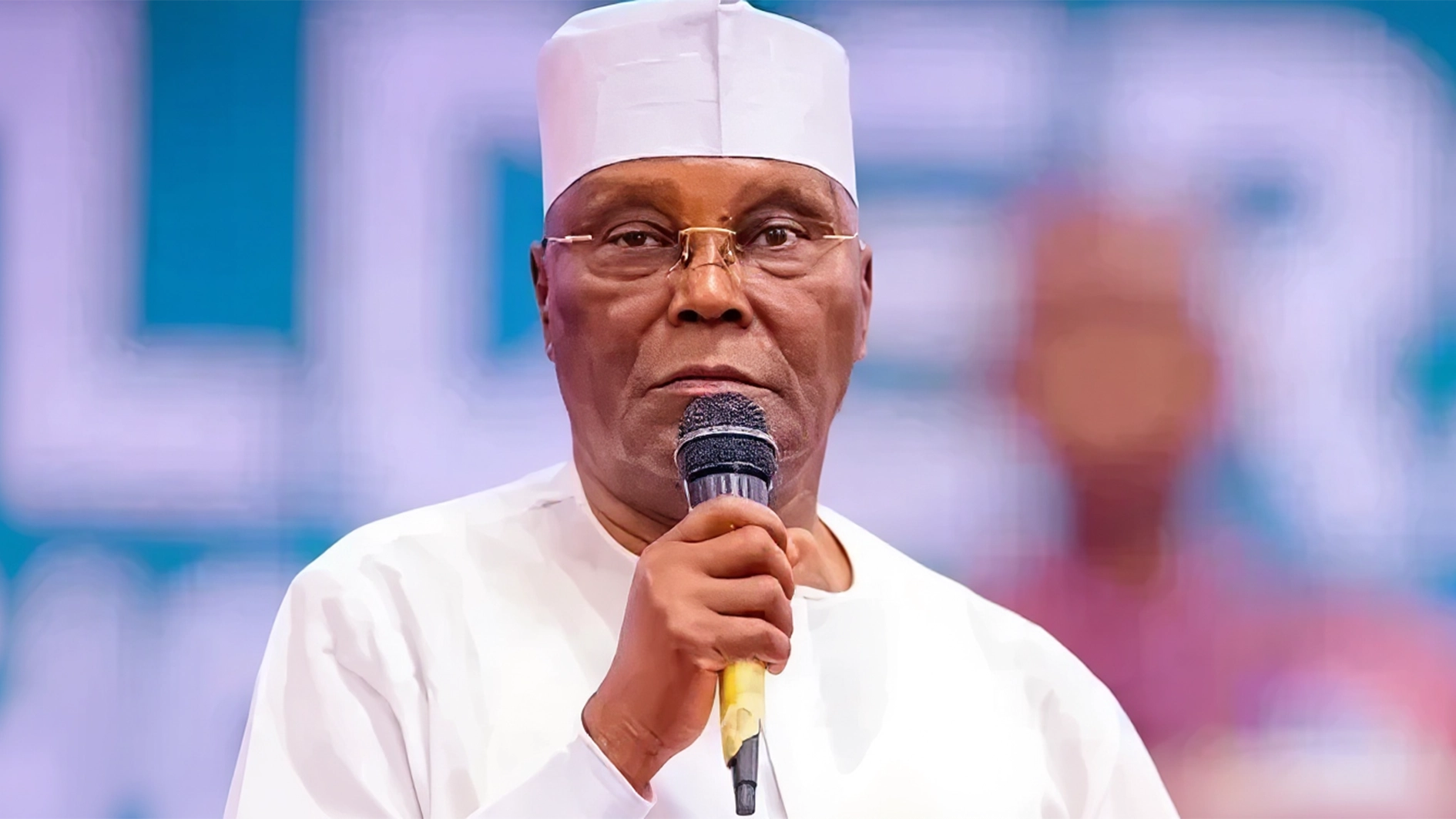
Former Vice President Atiku Abubakar has said the Nigerian National Petroleum Company Limited’s (NNPCL) admission that reopening the Port Harcourt Refinery is a waste of scarce resources validates his long-standing position that Nigeria’s refineries should be privatised.
Atiku asserted in a statement posted on his Facebook page on Sunday, reacting to reports that the refinery had gulped about $1.5 billion without producing petrol.
According to him, the Tinubu administration’s acknowledgement marks a belated acceptance of an economic reality he had consistently highlighted over the years, that continued public funding of moribund refineries is economically indefensible.
Recall that the Group Chief Executive Officer of NNPCL, Bayo Ojulari, had said that the shutdown of Nigeria’s state-owned refineries is not just an operational decision but a strategic move to protect the country’s foreign exchange position.
Ojulari said that the continued operation of loss-making refineries contributed directly to Nigeria’s foreign exchange stress.
“When you spend trillions rehabilitating refineries that do not work, and then still import fuel, you are hitting your foreign reserves twice,” he said.

“It is instructive that the administration has finally come to terms with an inevitable truth: pouring public funds into moribund refineries makes no economic sense. Paying billions of naira in salaries to facilities that do not produce a single litre of petrol does not serve the national interest,” Atiku stated.
The former vice president recalled that he had repeatedly advocated the privatisation of the refineries but was vilified and accused of planning to sell public assets to cronies.
“Today, the facts have caught up with the rhetoric,” he said, adding that decades of so-called turnaround maintenance had consumed billions of dollars with little or nothing to show for it.
Atiku argued that the failure of the refineries exposed deep structural problems, including gaps in technical capacity, weak financial discipline and poor management.
He further criticised recent efforts to revive the refineries, describing them as politically motivated rather than driven by sound economic reasoning.
“The latest push to ‘revive’ these refineries was propelled by political pressure, not economic sense. Politics must never substitute for sound, transformative policy,” he said.
Atiku also advised against pursuing any new refinery agreements, including partnerships with foreign firms, warning that such arrangements would merely replicate failed models of the past.
According to him, Nigeria would have been better served by selling the refineries before embarking on costly rehabilitation projects, thereby avoiding rising debt levels and the continued depreciation of assets he described as liabilities.
He concluded that decisive privatisation remained the most viable option for ending decades of waste and inefficiency in the country’s refining sector.

