 Follow Us on Google News


 Follow Us on Google Discover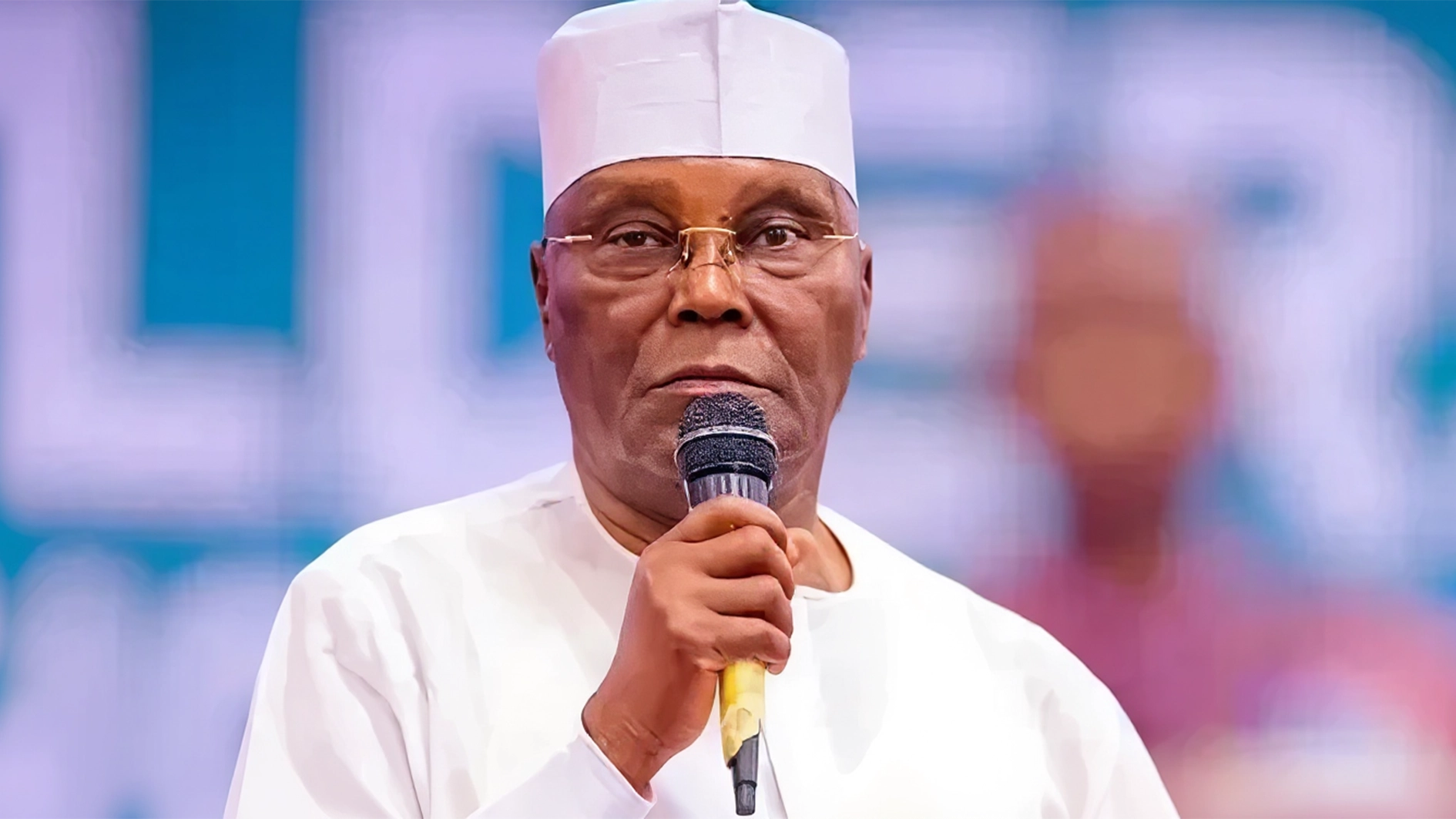
Former Vice President Atiku Abubakar has launched a fierce counterattack on President Bola Ahmed Tinubu, accusing him of hypocrisy, historical distortion, and political desperation.
In a statement issued by his Senior Special Assistant on Public Communication, Phrank Shaibu, Atiku described the President’s recent remarks as a “reckless tirade” that reflects “a troubling pattern of hypocrisy and historical amnesia.”
“Atiku Abubakar’s attention has been drawn to the latest reckless tirade by President Bola Ahmed Tinubu—a performance that exposes not just desperation, but a troubling pattern of hypocrisy and historical amnesia,” the statement read.
The former Vice President expressed surprise that a leader facing persistent scrutiny over his own credentials would attempt to discredit others with what he described as well-documented records of public service.
On the issue of privatisation, Atiku’s camp argued that Tinubu’s criticism does not stand up to scrutiny, noting that the President had previously opposed reforms he now appears to be implementing.
The statement maintained that Atiku had long advocated the privatisation of the Nigerian National Petroleum Corporation (NNPC) and the sale of refineries to credible private investors—a position it claimed Tinubu resisted at the time.

It, however, alleged that the current administration is now overseeing a system that has effectively commercialised the national oil company “without transparency, clear valuation, or accountability.”
“This is not reform; it is privatisation without accountability,” the statement said.
Defending Atiku’s economic legacy, the statement cited several companies as examples of the success of the privatisation programme he supervised, including Oando Plc (formerly Unipetrol), Conoil Plc, African Petroleum (now Ardova Plc), Indorama Eleme Petrochemicals, Benue Cement Company, and Transcorp Hilton Abuja.
The statement also took a swipe at the President’s intellectual posture, suggesting that his comments reflect a failure to engage with documented history on Nigeria’s economic reforms.
“It is not our fault that the President does not and cannot read,” the statement said, while also referencing past controversies surrounding Tinubu’s academic records.
It added that Tinubu’s remarks could only have been made in disregard of publicly available records and credible accounts of the privatisation process.
“You cannot oppose reform when it demands courage and then execute a shadow version of it in power,” the statement added.
Atiku’s camp further criticised the tone of the President’s remarks, arguing that resorting to mockery reflects a deeper leadership concern.
“The President’s attempt to reduce a serious economic legacy to ridicule underscores a leadership more comfortable with insults than with facts,” it stated.
The statement also highlighted the current economic situation in the country, pointing to rising cost of living, inflation, and insecurity as evidence of policy failure.
“Across the country, families are skipping meals, businesses are shutting down, and citizens are struggling under the weight of inflation and declining purchasing power. What has been presented as reform has translated into hardship without relief,” it said.
The statement concluded by asserting that Atiku’s record remains “clear, documented, and defensible,” while noting that unresolved public concerns about the President’s background persist.
“A leader who has not fully addressed questions about his own background should exercise restraint before casting aspersions on others,” it added.
The statement ended with a cautionary note: “Nigerians are watching.”

