 Follow Us on Google News
 Follow Us on Google Discover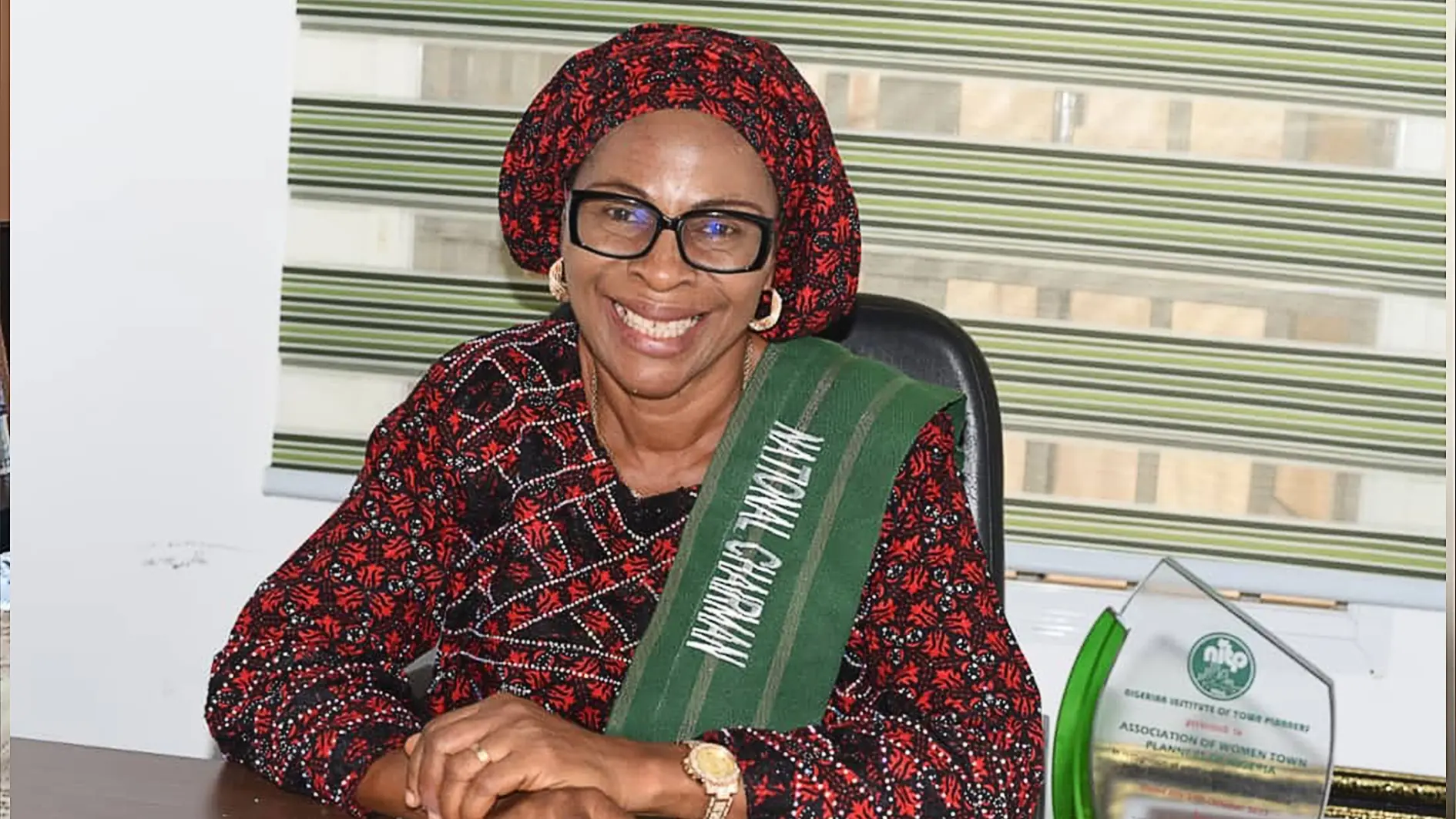
The Association of Women Town Planners in Nigeria (AWTPN) has called for deliberate investment in women and girls as a strategic pathway to creating equitable, resilient and prosperous cities across the country.
Speaking on the International Women’s Day (IWD) 2026 theme, “Give to Gain,” the National Chairman of the AWTPN, Dr Veronica Okoye, said the concept underscores the importance of empowering women to unlock sustainable urban development outcomes.
According to her, investing in women and girls is not only a social responsibility but also a practical strategy for strengthening urban planning and governance. “The theme emphasises investing in women and girls to create more equitable and prosperous cities. In urban planning, it means recognising women’s critical role in shaping communities and ensuring their perspectives are included in decision-making processes. By empowering women, we gain more sustainable, resilient and inclusive cities.”
Okoye noted that despite their growing numbers in the built environment sector, women town planners in Nigeria continue to face structural and cultural barriers that limit their professional advancement.
She identified limited access to leadership positions, inadequate representation in key decision-making platforms, societal stereotypes, and insufficient professional development opportunities as major challenges confronting female planners.
“Women town planners in Nigeria face barriers such as limited access to leadership positions, inadequate representation in decision-making, societal stereotypes, and limited professional development opportunities. These challenges slow down progress not only for women but for the entire planning profession,” she stated.

She, however, emphasised that targeted policy reforms could help dismantle these barriers. Suggested measures include the introduction of leadership quotas where necessary, structured training and mentorship programmes, and the promotion of inclusive work environments within both public and private sector institutions.
Okoye stressed the importance of gender-responsive planning in addressing urban challenges, explaining that cities function better when they are designed to meet the needs of all residents, particularly women and vulnerable groups.
“Gender-responsive planning ensures cities meet the needs of all citizens. It involves including women in decision-making, designing safe public spaces, and prioritising infrastructure that supports women’s economic and social needs. This approach ultimately leads to more inclusive and resilient communities,” she said.
She added that incorporating women’s experiences into planning processes enhances safety, mobility, housing design and access to essential services, thereby strengthening overall urban sustainability.
Highlighting AWTPN’s ongoing initiatives, the chairman disclosed that the association has rolled out mentorship programmes, workshops and training sessions aimed at equipping women with skills in sustainable urban planning, climate resilience and leadership.
“We are implementing mentorship programmes, workshops and training sessions to build skills in areas such as sustainable urban planning, climate resilience and leadership. We are also partnering with government agencies and private sector organisations to provide job opportunities and internships for young women,” she said.
Okoye said the association is investing in the next generation of planners through grassroots outreach and educational support. She listed AWTPN’s activities to include visitations to secondary schools to create awareness about studying urban and regional planning, payment of school fees for students in higher tertiary institutions, promotion of career development and upgrade opportunities for students, and partnerships with organisations to facilitate internships and job placements.
According to her, early engagement with young girls is critical to breaking stereotypes and encouraging more female participation in urban and regional planning. Okoye further urged women planners to take frameworks, affordable housing initiatives and climate-resilient development strategies.
“Women planners can influence policies by advocating inclusive planning practices, pushing for affordable housing initiatives, and integrating climate resilience into urban planning. By bringing diverse perspectives to decision-making tables, they can ensure policies address the needs of all citizens,” she added.
She reiterated that building inclusive cities requires collective effort, noting that empowering women within the planning profession is a catalyst for broader urban transformation. “As we give opportunities, resources and recognition to women, we gain stronger institutions, better policies and cities that truly reflect the needs of their people,” she said.

