 Follow Us on Google News


 Follow Us on Google Discover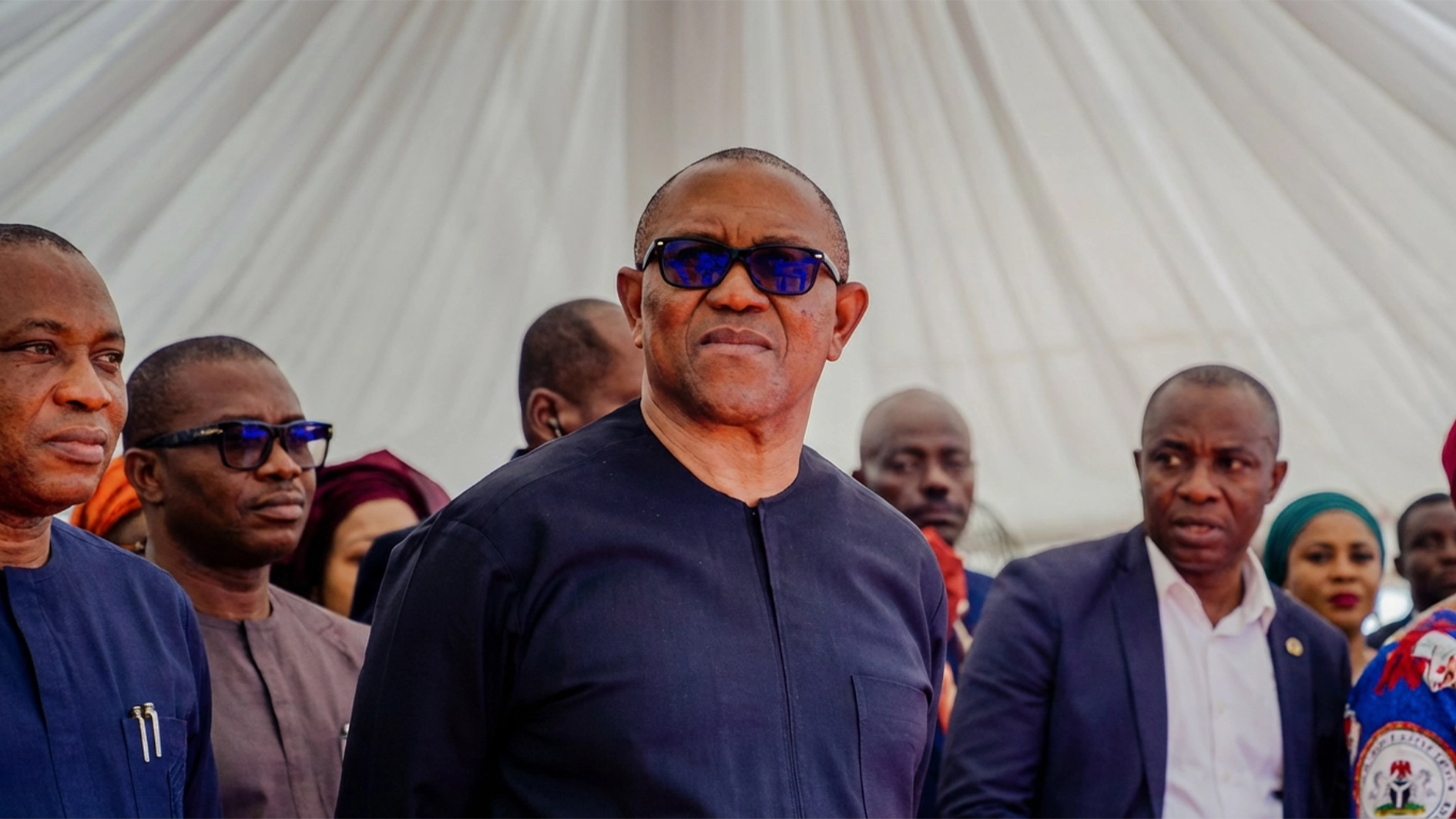
Former Anambra State Governor and 2023 presidential candidate of the Labour Party, Peter Obi, has cautioned President Bola Tinubu against what he described as “comforting comparisons” with other African countries.
He warned that such narratives risked obscuring the depth of Nigeria’s economic challenges.
Obi’s remarks via his X-Handle yesterday followed the President’s recent comment in Yenagoa, where he suggested that Nigerians should find solace in being better off than some African peers, including Kenya.
Obi argued that while cross-country comparisons could be useful, they must be grounded in verifiable data and used as tools for accountability, not as a basis for self-consolation.
He stressed that governance required a clear-eyed assessment of realities, noting that “nations do not progress by looking down on others but by confronting their own shortcomings with honesty and urgency.”
Drawing on moral and religious analogies, Obi likened the President’s remarks to the biblical parable in the Gospel of Luke, where self-righteous comparison is contrasted with humility, and added that a similar caution is echoed in the Qur’an.

According to him, Nigeria’s current socio-economic indicators, from poverty levels and inflation to education and electricity access, paint a more challenging picture than suggested by the comparison.
According to Obi, on several key development metrics, Kenya outperforms Nigeria, arguing that this reality should prompt introspection rather than reassurance.
“Statistics are not abstract figures. They reflect the daily realities of citizens and must guide policy decisions.”
He warned that dismissing or downplaying such data could weaken public confidence and hinder effective planning, emphasising that sustainable development depends on evidence-based governance.
The former governor urged the Tinubu administration to shift its focus from comparative rhetoric to actionable reforms that improve living standards and restore economic stability.
He also called for greater transparency, accountability, and urgency in addressing the country’s mounting challenges, including inflation, unemployment, and declining purchasing power.
Obi concluded that leadership must be defined not by how challenges were explained, but by how decisively they were addressed.
“A new Nigeria is possible,” he added.

