 Follow Us on Google News
 Follow Us on Google Discover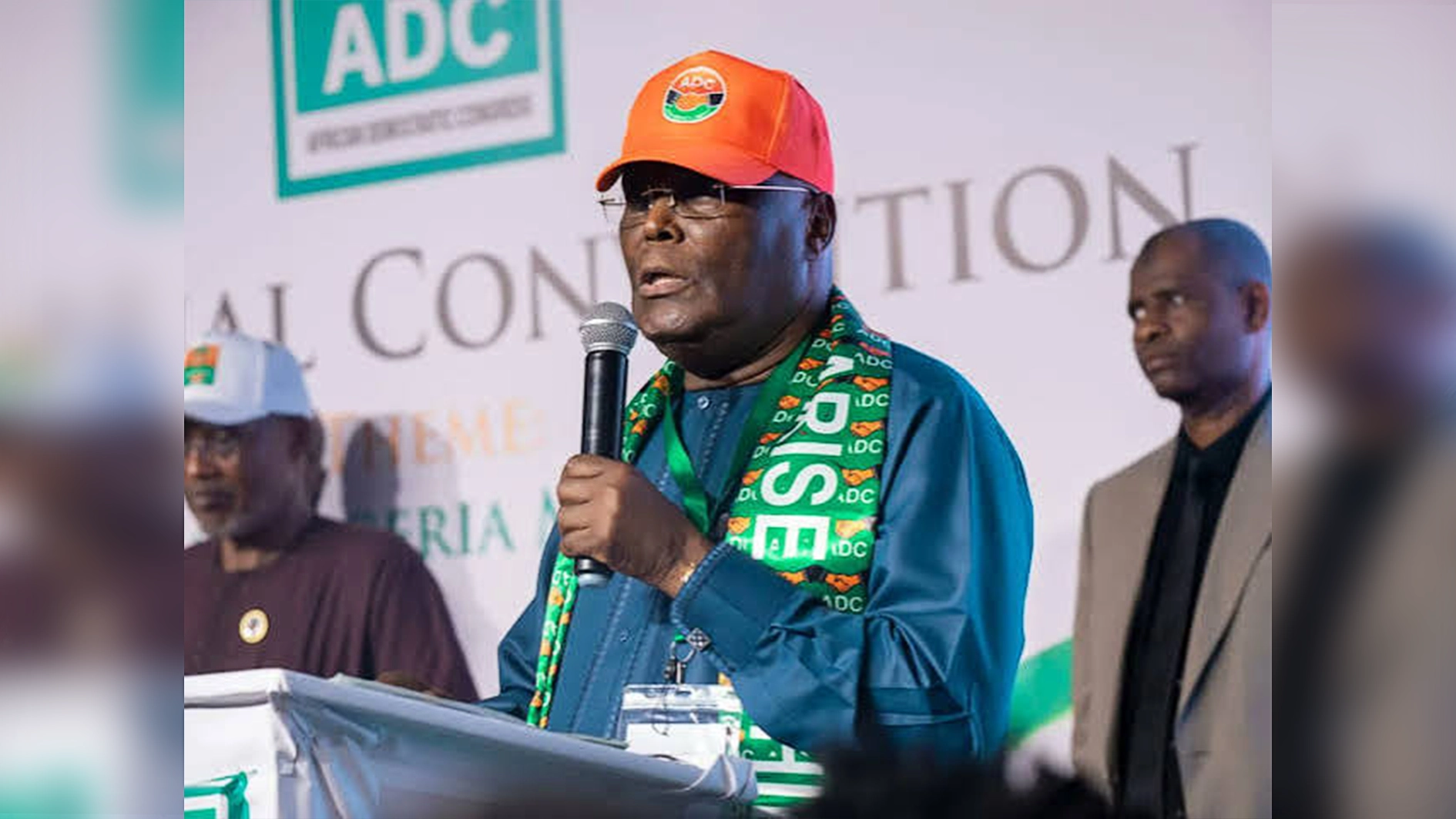
Human Rights Writers Association of Nigeria (HURIWA) has urged President Bola Tinubu to take urgent steps to reduce the price of petrol, saying Compressed Natural Gas (CNG) buses alone cannot resolve the country’s deepening cost-of-living crisis.
The group said the Federal Government’s directive to state governors to reduce transportation fares through expanded CNG and electric-powered public transportation programmes could provide relief to commuters, but would not address the wider impact of high energy costs on the economy.
HURIWA, in a statement by its National Coordinator, Emmanuel Nnadozie Onwubiko, called for a drastic reduction in petrol prices towards the N180-per-litre level obtainable in 2021.
The call followed President Tinubu’s directive to the 36 state governors to ensure measurable reductions in transportation costs from October 1 through expanded CNG and electric-powered public transportation programmes.
While acknowledging the potential benefits of cheaper-energy buses, HURIWA said CNG should not be presented as a comprehensive solution to Nigeria’s energy and economic challenges.
According to the association, the cost of petrol affects not only transportation but also manufacturing, agriculture, food distribution, logistics, construction, small businesses and other activities dependent on energy and transportation.

It explained that manufacturers would spend more on powering machinery and transporting raw materials, while farmers and traders would incur higher costs moving produce and goods to markets. Small businesses, it added, would also face increased operating costs, particularly where they rely on generators.
HURIWA argued that the additional costs would ultimately be passed on to consumers through higher prices.
The group therefore described the approach of placing the burden of reducing transportation costs principally on state governors as inadequate.
It said governors could introduce interventions within their jurisdictions but could not determine international crude oil prices, regulate the entire downstream petroleum sector or independently resolve the structural challenges affecting the country’s energy market.
MEANWHILE, the Presidential Campaign Council of the All Progressives Congress (APC) has challenged former Vice President, Atiku Abubakar, to provide details of the legal, fiscal and operational framework for his proposed subsidy on locally refined petrol.
The council, in a statement issued yesterday by its spokesman, Dele Alake, said Atiku’s proposal for a “production subsidy” to reduce petrol prices raised questions about how the intervention would operate within the Petroleum Industry Act (PIA) 2021.
Atiku, who is the presidential candidate of the African Democratic Congress (ADC), has reaffirmed his intention to restore a targeted petrol subsidy if elected President in 2027.
Alake, however, said the proposal required clarification, particularly on whether refiners benefiting from the intervention would be required to sell petrol at government-prescribed prices.
He said the issue was important because the PIA provides for market-determined wholesale and retail prices of petroleum products, adding that if refiners were not required to pass the benefit of the subsidy to consumers, government support could reduce their production costs without necessarily guaranteeing lower prices at filling stations.
The APC council also asked Atiku to disclose the estimated cost of the proposed intervention and its source of funding.
According to Alake, Atiku had previously suggested that the policy could involve supplying crude oil to domestic refineries at preferential prices. He argued that any discount granted on crude for domestic refining would have implications for government revenue.
The council said the cost of the proposed intervention could be substantial, depending on the volume of crude or petrol covered, the size of the discount and the scope of the scheme.

