 Follow Us on Google News
 Follow Us on Google Discover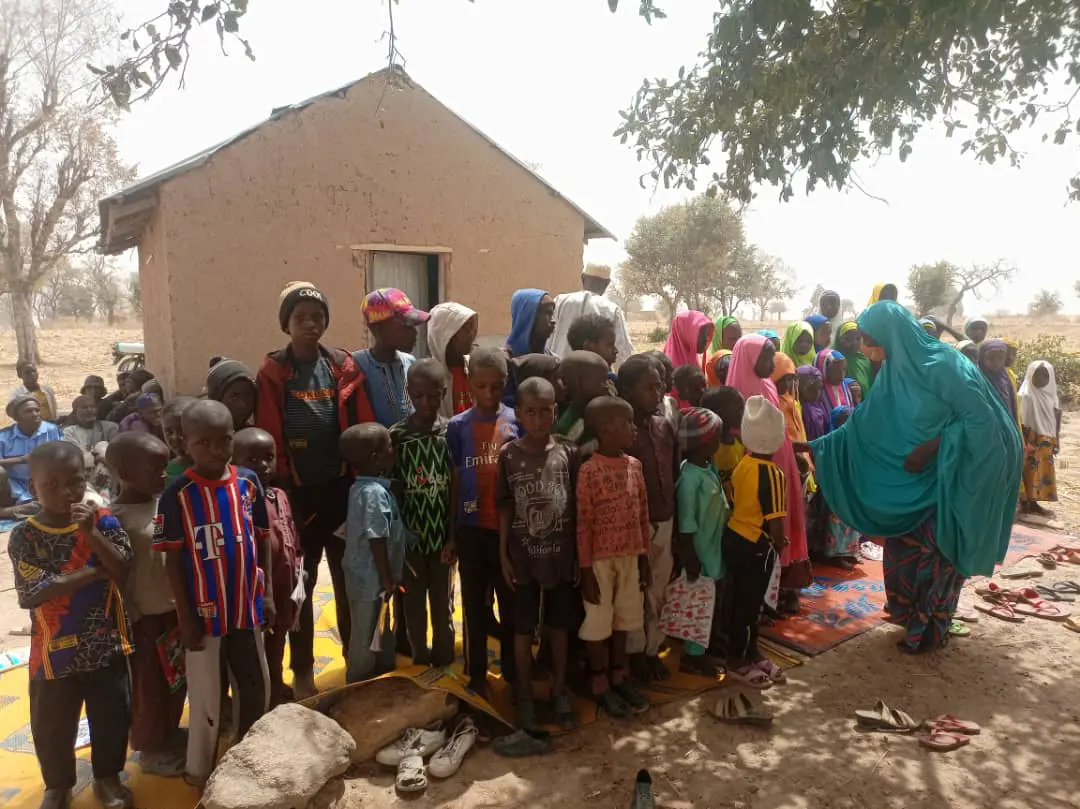
Saidi Suara, a public health professional and safety specialist, has described community-led approaches as central to preventing infectious diseases in Nigeria’s northeast, citing his work in Chinade, Katagum Local Government Area, as a model of practical engagement and local ownership.
Suara’s interventions, which combined health education, volunteer mobilisation, and structured collaboration with the Chinade Primary Health Care (PHC) centre, reached over 500 residents through quarterly outreach programs. These initiatives included hygiene campaigns, immunisation awareness drives, and integration of preventive measures into daily life. “The recognition was significant because it highlighted that real change in public health often begins at the community level. In Chinade, I understood that waiting for outside intervention would not be enough; instead, I empowered residents to take ownership of their own health,” Suara said.
He explained that part of his approach involved training local volunteers to serve as health champions. “These were ordinary community members who became trusted messengers of hygiene practices, vaccination awareness, and safe health-seeking behaviour. By making the campaign local, we reduced resistance and built credibility,” he said. The outreach programs, which drew more than 300 participants monthly, strengthened immunisation uptake and increased utilisation of PHC services, according to Suara.
In addition to public health work, Suara served as an Electoral Officer during Nigeria’s general elections in Chinade, a role that required managing large crowds while ensuring safety and disease prevention. “It was both a challenge and an opportunity to wear two hats at once, as an Electoral Official ensuring order and transparency, and as a public health advocate focused on preventing disease transmission. Crowd control was designed with health in mind, with voters guided into spaced queues, hand sanitisation encouraged, and shared materials handled with care,” he said.
Reflecting on the COVID-19 pandemic, Suara noted that the systems established in Chinade could have been adapted to limit virus transmission. “I would have expanded hygiene infrastructure in public areas, focused on mask distribution and education campaigns, and leveraged digital tools for real-time health updates in local dialects. PHCs would serve as both health centres and information hubs,” he said. He also emphasised applying the same crowd-management principles used during elections to markets, religious gatherings, and community meetings.
Suara measures the success of his work by the behavioural changes it achieves. “We observed residents adopting handwashing as a routine practice, prioritising vaccinations, and perceiving the PHC as a primary point of contact for health concerns. That cultural shift was decisive because it meant prevention had taken root in everyday life,” he said.
His contributions in Chinade earned him recognition as a Goodwill Ambassador from the European Union in partnership with INEC in 2019, highlighting how community-driven interventions can integrate public health and civic responsibilities. “Even in rural Nigeria, communities can rise to the challenge when empowered with knowledge, trust, and tools. That experience shapes how I think about epidemic preparedness: it has to start where people live, work, vote, and worship,” Suara concluded.

