 Follow Us on Google News


 Follow Us on Google Discover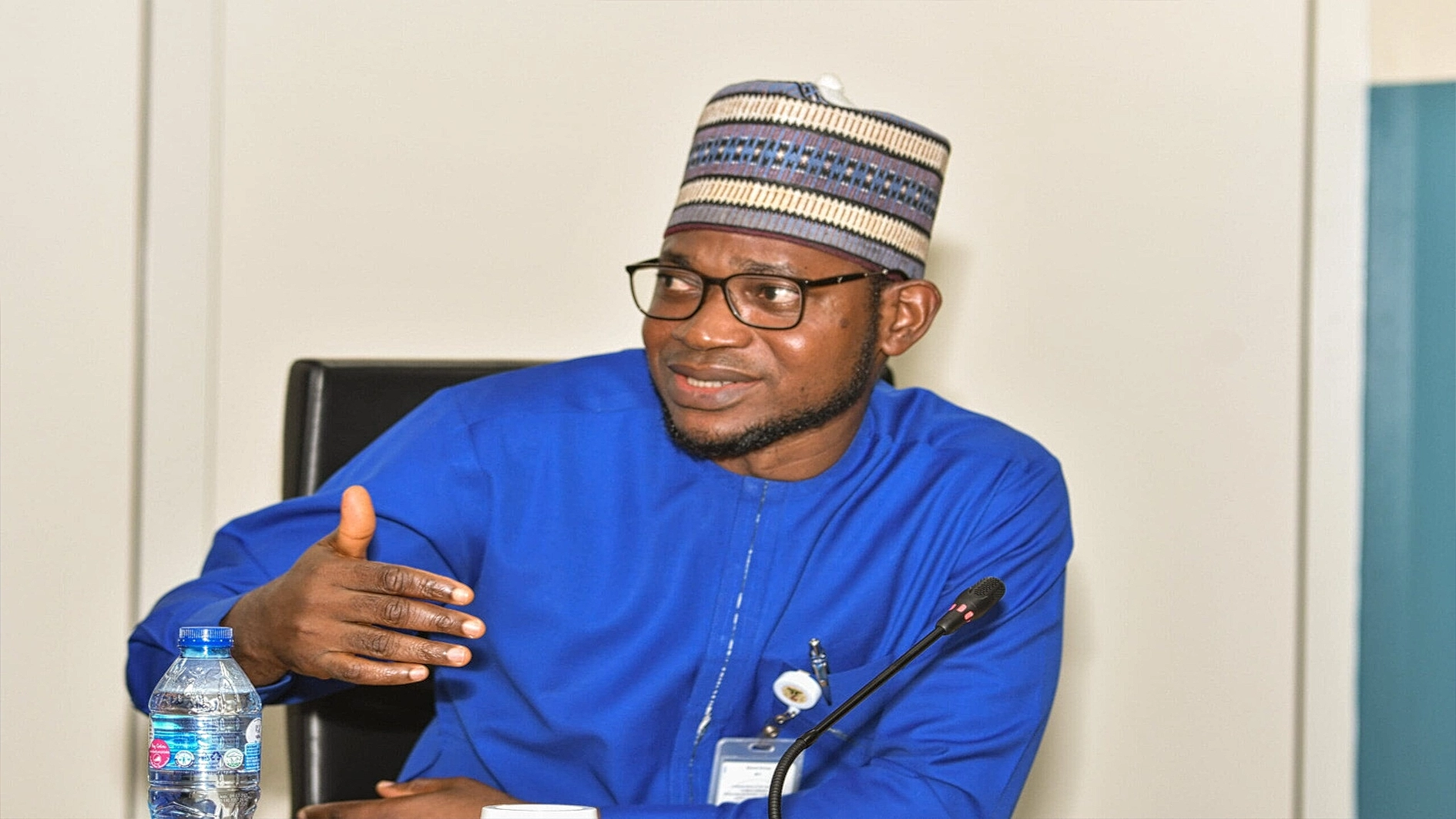
The Nigerian Electricity Regulatory Commission (NERC) has said that judicial pronouncements can significantly influence the trajectory of Nigeria’s electricity sector.
It said that a court ruling in 2016 contributed to a subsidy exposure equivalent to about N2 trillion in today’s value.
Chairman of the NERC, Dr Musiliu Oseni, stated this yesterday during a regional seminar for judges in Lagos.
Oseni, at the seminar, organised by the Commission, themed “Nigeria’s Electricity Market in Transition: Law, Regulation, and the Courts,” stressed the critical role of the courts in sustaining reforms and ensuring stability in Nigeria’s electricity market.
According to him, a judgment delivered in a case instituted in 2016 constrained the Commission’s ability to discharge its statutory responsibilities, resulting in a subsidy exposure of N520 billion by 2019.
He noted that reliable electricity remains fundamental to national development and effective administration of justice, adding that no nation has achieved sustainable development without access to stable electricity supply.

Oseni also highlighted the implications of the constitutional amendment of March 2023 and the signing of the Electricity Act in June 2023, which ushered in a new phase of electricity sector reforms and enabled the transfer of regulatory oversight to state governments.
He said that the Commission had so far issued transfer orders to 16 states, with Gombe State being the latest beneficiary.
Oseni, who described the decentralisation of electricity regulation as beneficial for improving regulatory access, customer complaint resolution and tariff management, cautioned that the transition would inevitably create new legal and regulatory challenges.
Lagos State Attorney-General and Commissioner for Justice, Lawal Pedro (SAN), said that recent constitutional and statutory reforms in Nigeria’s electricity sector had placed the judiciary at the centre of shaping the future of the country’s power market, warning that judicial decisions in the coming years will significantly influence the evolution of the industry.
Pedro, who was represented by Permanent Secretary and Solicitor-General of Lagos State, Hameed Oyenuga, noted that the rapidly changing legal and regulatory landscape of the electricity industry demands continuous judicial education and capacity building.
He said that the Fifth Alteration to the Constitution and the Electricity Act 2023 had empowered states to establish and regulate their own electricity markets, describing the development as one of the most profound shifts in Nigerian regulatory architecture in recent history.

