 Follow Us on Google News
 Follow Us on Google Discover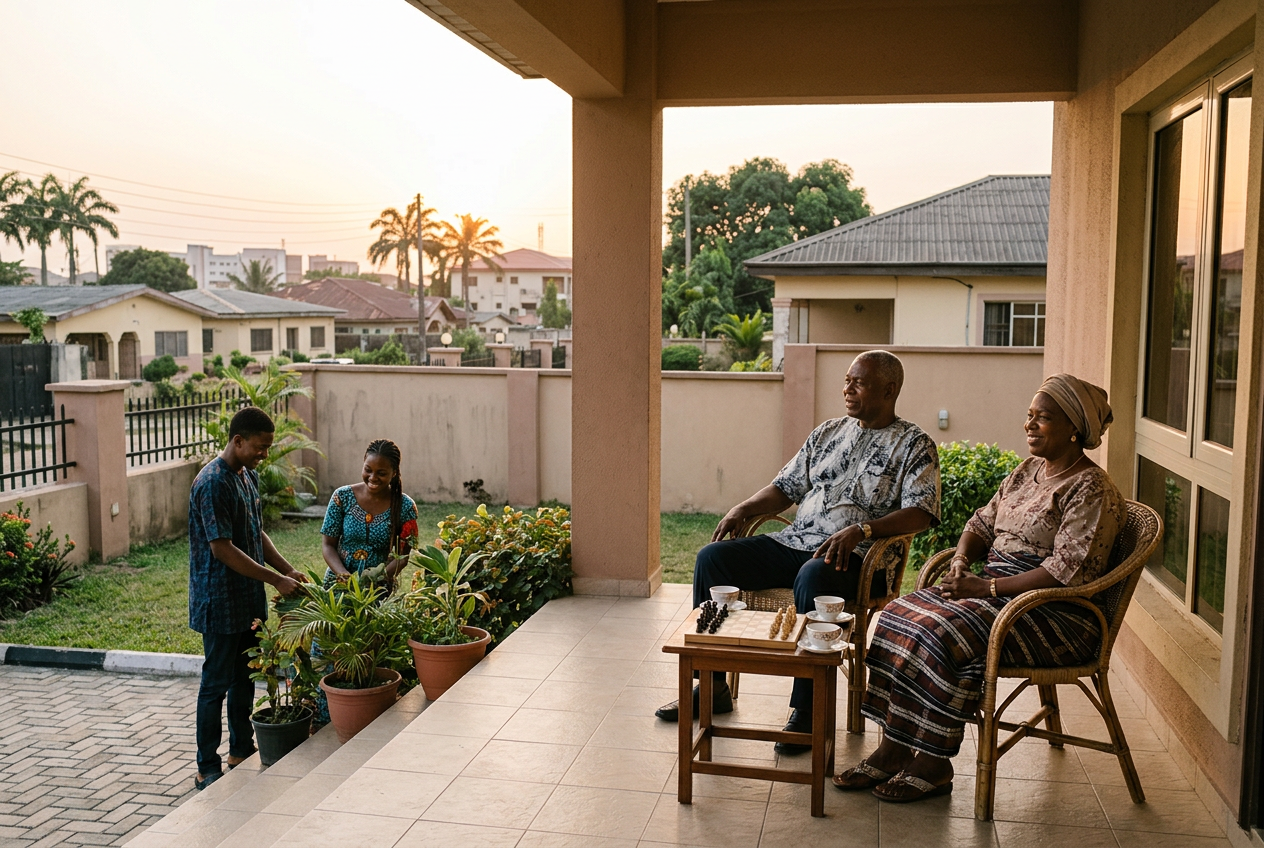
Welcome, and thank you for pulling up a chair to think through one of the biggest questions anyone can ask about their later years. After months of research into cost of living, safety, healthcare, and property, plus years spent watching friends and relatives weigh up where to spend their retirement, I have finally gathered everything into one honest guide. So, is Nigeria a good place to retire? For some people it truly is, and for others it arrives with trade-offs worth understanding before committing. As Africa’s most populous nation, the country offers warmth, deep community ties, and a naira budget that can stretch a great deal further than most newcomers expect.
Let me be upfront with you from the start.
Retiring here is not a single experience. Life in a quiet Cross River town looks nothing like life in a gated Lekki estate, and your pension, your patience, and your priorities will shape whether you thrive or merely cope. My aim in this guide is to give you the full picture, the lovely bits and the frustrating bits, so you can make a decision that fits your own life rather than someone else’s brochure.
Where Is the Best Place to Retire in Nigeria?
Ask ten Nigerians where a retiree should settle, and you will happily get eleven answers. That said, a few places come up again and again, and for good reason.
Lagos is the obvious magnet, and I understand the pull. It has the best private hospitals, the liveliest social scene, and the widest choice of housing, from modest mainland flats to serviced apartments on the island. The catch is that Lagos is expensive and loud, and the traffic can test even the calmest soul (I once spent three hours covering eight kilometres, and I have never quite forgiven the third mainland bridge for it).
Abuja is the gentler cousin. The capital is planned, cleaner, greener, and noticeably calmer, with wide roads and a steadier pace that many older residents adore. It tends to cost a little less than Lagos island living whilst still offering strong healthcare and security.

For those who want cooler air and a slower rhythm, Jos on the Plateau has long been a favourite thanks to its elevation and mild climate. Calabar, meanwhile, earns constant praise for being tidy, friendly, and relatively safe, and it consistently ranks among the more relaxed cities in the country. Ibadan offers a lower cost of living within easy reach of Lagos, and Enugu suits anyone drawn to the south east with its hills and its warm, sociable culture.
If you are weighing your options, a sensible first move is to compare cities honestly against your own must-haves. My earlier piece on where most Nigerians actually choose to settle is worth a read here, because population patterns tell you a great deal about amenities, healthcare access, and community, and a retiree’s checklist looks rather different from a young professional’s.
So, Is Nigeria a Good Place to Retire?
Here is the honest, direct answer you came for.
Nigeria can be an excellent place to retire if you have a stable income in a strong foreign currency or a well managed local pension, if you choose your city with care, and if you go in with realistic expectations about infrastructure. The country rewards you with genuine community, glorious food, year round warmth, and a cost of living that, according to independent comparison data, sits far below what you would pay in the United Kingdom, the United States, or most of Europe. It becomes a poor choice, however, if you depend entirely on a modest naira income with no inflation buffer, or if you need faultless public services and constant power without paying for private backups.
The factors that decide it for most people are fairly consistent: your income source and currency, your chosen location, your health needs, your appetite for self reliance, and your tolerance for bureaucracy. Weigh those five honestly and you will already know which way you lean.
If you want to approach the decision methodically, here is the sequence I recommend to anyone asking me about it:
- Decide your non-negotiables first, whether that is climate, proximity to family, healthcare access, or cost.
- Shortlist two or three cities and, crucially, visit each for a few weeks before committing to anything.
- Sort your legal status early, since foreign retirees need proper residency paperwork rather than a rolling tourist stay.
- Build your monthly budget in naira, then add a generous inflation buffer on top so rising prices do not catch you out.
- Arrange your healthcare, including a private clinic or hospital you trust and, ideally, health insurance.
- Do a trial run of three to six months before selling up abroad, because living somewhere is nothing like holidaying there.
That last point matters more than any other. A trial stay tells you the truth that no guide, including this one, ever fully can.
What Are the Disadvantages of Retiring in Nigeria?
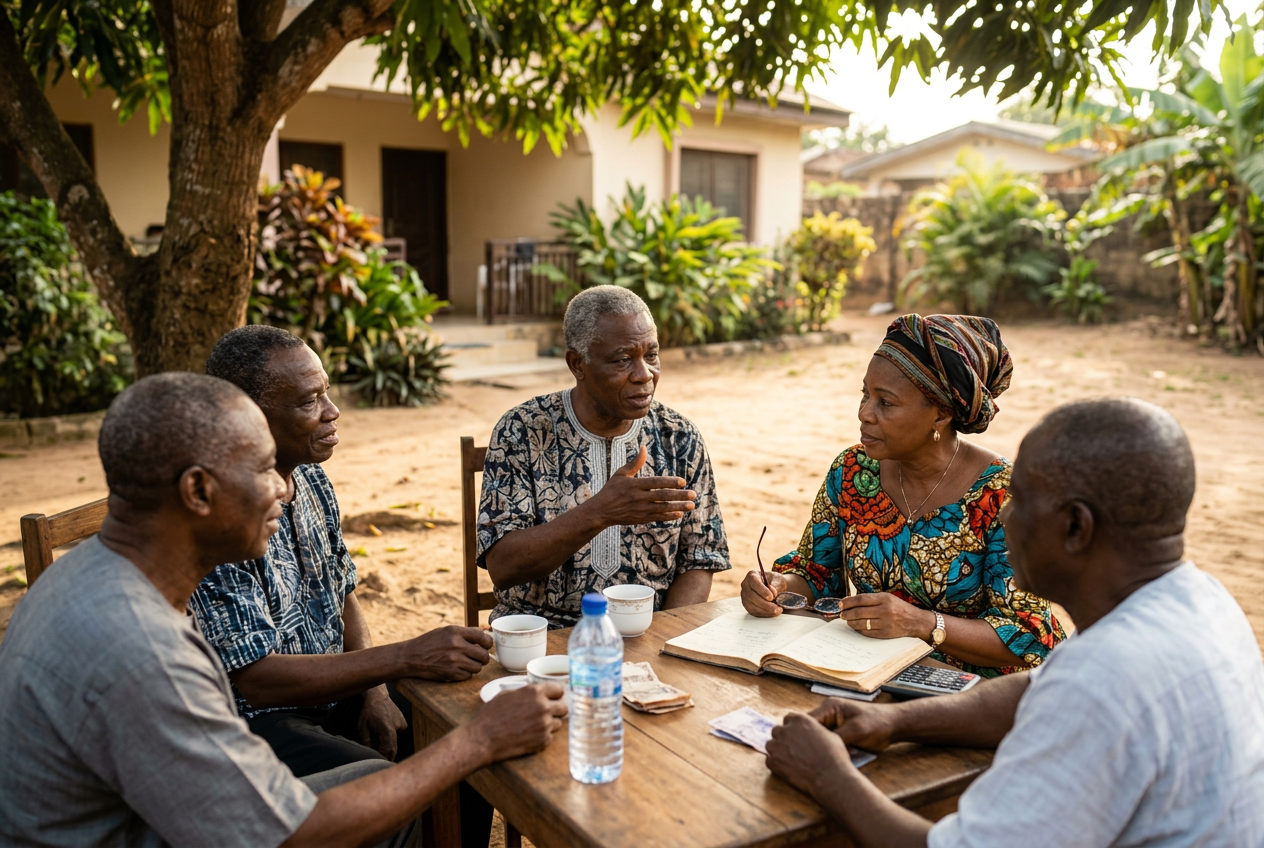
I would be doing you a disservice if I painted only the sunny side, so let us talk plainly about the harder parts.
Power supply is the one nearly everyone mentions. The national grid remains unreliable, which means most comfortable homes run a generator, an inverter, or increasingly a solar setup, and those backups cost money to buy and to run. Budget for electricity twice, in effect, once for the official bill and once for keeping the lights on when the grid fails.
Then there is inflation, which has bitten hard in recent years. Official figures from the national statistics office put headline inflation at roughly 15.9 per cent in mid 2026, easing from far steeper peaks after the fuel subsidy removal and naira reforms of 2023 and 2024. For a retiree on a fixed naira income, that erosion is the single biggest threat to a comfortable old age, a point made vividly in The Guardian’s reporting on how pension payouts have struggled to keep pace with real prices.
Healthcare is a genuine mixed bag. Private hospitals in Lagos and Abuja can be very good indeed, but public facilities are stretched, and anyone with complex medical needs should think carefully and plan for occasional trips abroad.
Security varies by region and demands common sense. Some areas are perfectly calm, others less so, and staying informed about your specific locality is simply part of living here. The plight of unpaid state pensioners, a recurring scandal covered in this editorial on protecting retirees from hardship, is also a sobering reminder that local pension income can be fragile if you are relying on it alone.
Bureaucracy, traffic in the big cities, and the occasional water supply hiccup round out the list. None of these is a dealbreaker on its own. Together, though, they explain why self reliance and a healthy contingency fund are your best friends.
How Much Do You Need to Retire Comfortably in Nigeria?
Now for the question that keeps people up at night, and the good news is that the answer is often more encouraging than expected.
A modest but dignified retirement in a smaller town can work on surprisingly little, whilst a premium lifestyle in Lagos with a driver, private healthcare, and regular leisure naturally costs a great deal more. Rather like choosing between a cosy cottage and a city penthouse, the range is enormous, and only you can pick your rung on the ladder.
Independent comparison sites place the overall cost of living in Nigeria well below Western benchmarks, often around seventy per cent cheaper than the United States on everyday essentials. To turn that into concrete planning figures, here is how the tiers tend to break down at 2026 prices, with the naira converted at roughly ₦1,380 to the US dollar.
Estimated Monthly Retirement Budgets in Nigeria (2026)
| Lifestyle Tier | Monthly Budget (Naira) | Approx. USD | What It Typically Covers |
|---|---|---|---|
| Modest (small town) | ₦250,000 to ₦350,000 | $180 to $255 | A simple flat, local food, shared or public transport, basic utilities |
| Comfortable (mid-tier city) | ₦550,000 to ₦800,000 | $400 to $580 | A decent two-bedroom home, fuel and generator, private clinic visits, occasional dining out |
| Premium (Lagos or Abuja) | ₦1,500,000 and above | $1,090 and above | A serviced apartment, a car with a driver, full private healthcare, regular leisure and travel |
The table shows a clear conclusion: a foreign pension of even modest size by Western standards can buy a genuinely comfortable Nigerian retirement, while those relying purely on a local income will want to aim for the middle tier and guard hard against inflation. Early planning makes all the difference here, a message that Nigerian pension experts themselves keep repeating in guidance on preparing for retirement well ahead of time.
Practical tip: whatever number you land on, add at least twenty to thirty per cent as an inflation and emergencies cushion. Prices here can move quickly, and a buffer turns a nasty surprise into a mild inconvenience.
Is ₦50,000 a Lot of Money in Nigeria?
This one deserves a candid answer, because the honest reply is: it depends entirely on what you need it to do.
At the mid 2026 exchange rate, ₦50,000 is roughly 36 US dollars. A decade ago that same sum felt like real money for a week’s shopping; today, after the naira’s sharp devaluation, it covers noticeably less.
For everyday purposes, ₦50,000 will comfortably handle a modest grocery run, a tank of petrol for a small car, or a few local meals out with change to spare. What it will not do is stretch across a month of rent, utilities, and food in any city, so treating it as a serious monthly budget would be unrealistic.
To put it in local perspective, the national minimum wage sits at ₦70,000 a month, and the rough poverty threshold hovers near ₦137,000 monthly for a household. Against those markers, ₦50,000 is a meaningful weekly sum for an individual living simply, yet a modest one when measured against a family’s full monthly needs. In short, it is neither trivial nor transformative, and understanding that middle ground is exactly the kind of currency sense every prospective retiree should develop early.
Final Thoughts on Whether Nigeria Is a Good Place to Retire
So, after all of that, where does it leave us?
Nigeria is a good place to retire for the right person with the right plan, and a frustrating one for anyone hoping it will run like a Western suburb. Choose your city thoughtfully, protect your income against inflation, arrange private healthcare, sort your paperwork with the pension regulator’s framework and, if you are a foreign national, the official residence permit process firmly in mind, and you give yourself every chance of a rich and rewarding chapter.
The warmth of the people, the vibrancy of daily life, and the sheer value your money can command are real advantages that spreadsheets alone never quite capture. Balance them honestly against the power cuts, the bureaucracy, and the inflation, and trust your own trial stay above any headline.
Here are the key takeaways to carry with you:
- Nigeria offers excellent value and genuine community, and a foreign pension in particular can fund a very comfortable retirement well below Western costs.
- The biggest risks are inflation, unreliable power, and healthcare gaps, so build a cushion, plan private backups, and keep quality medical care within reach.
- Location and paperwork decide everything, so shortlist your cities, do a trial stay of several months, and sort residency and pension matters before you commit.
Take your time, visit before you leap, and let the country show you its real face rather than its postcard one. Do that, and you will make a decision you can feel genuinely at peace with.
Related Articles
If you found this useful, you may enjoy two of my other deep dives that pair naturally with the retirement question. My guide to everyday living standards across the country unpacks healthcare, infrastructure, and the gap between wealth and poverty in more detail. And for anyone weighing safety as a deciding factor, my comparison of how secure life is across African nations offers the honest, region-by-region context that a retirement choice really calls for.
Frequently Asked Questions About Whether Nigeria Is a Good Place to Retire
Is Nigeria a good place to retire?
Nigeria can be an excellent place to retire if you choose your city carefully and protect your income against inflation. It suits those with a foreign pension or well managed savings far better than anyone relying solely on a modest fixed naira income.
Where is the best place to retire in Nigeria?
Abuja, Calabar, and Jos are frequent favourites for their calmer pace, cleaner surroundings, and milder or safer conditions. Lagos offers the best healthcare and social life but comes with higher costs and heavier traffic.
What are the disadvantages of retiring in Nigeria?
The main drawbacks are an unreliable power grid, high inflation, stretched public healthcare, and regional security concerns. Most comfortable retirees offset these with private generators, health insurance, and a solid financial cushion.
How much do you need to retire comfortably in Nigeria?
A comfortable retirement in a mid-tier city typically runs between ₦550,000 and ₦800,000 a month at 2026 prices. A modest lifestyle in a smaller town can work on ₦250,000 to ₦350,000, while premium Lagos living starts around ₦1,500,000 monthly.
Is ₦50,000 a lot of money in Nigeria?
At the mid 2026 rate, ₦50,000 is about 36 US dollars, enough for a modest weekly shop or a tank of fuel. It is a meaningful weekly sum for one person living simply, but not enough to cover a full month of rent, food, and bills.
Can foreigners retire in Nigeria?
Yes, foreigners can retire in Nigeria, though there is no dedicated retirement visa, so most obtain residency through the Combined Expatriate Residence Permit and Aliens Card. Those married to Nigerian citizens can access permanent residence more easily.
Is healthcare good enough for retirees in Nigeria?
Private hospitals in Lagos and Abuja provide strong care, and many retirees rely on them alongside private health insurance. Public facilities are stretched, so anyone with complex conditions should plan carefully and budget for occasional treatment abroad.
Is Nigeria safe for retirees?
Safety varies significantly by region, with cities like Calabar and Abuja generally considered calmer and more secure. Staying informed about your specific locality and taking sensible precautions is an ordinary part of daily life here.
How does inflation affect retirement in Nigeria?
Inflation is the single biggest threat to a fixed naira income, having reached steep highs before easing to around 15.9 per cent by mid 2026. Retirees protect themselves by holding income in a stronger currency or building a large inflation buffer into their budget.
What is the cost of renting a home for retirees in Nigeria?
Rents range enormously, from very affordable flats in smaller towns to premium serviced apartments on Lagos island costing many times more. Mid-tier city rentals for a decent two-bedroom home commonly fall within a comfortable monthly budget of ₦550,000 to ₦800,000 all in.
Can I collect my foreign pension while living in Nigeria?
Yes, many retirees receive foreign pensions into international or Nigerian accounts while living in the country. Because a foreign currency income stretches so far against the naira, it is one of the strongest foundations for a comfortable retirement here.
What is the best age to retire in Nigeria?
There is no fixed rule for foreign retirees, though the formal Nigerian retirement age is generally 60, or 35 years of service. The best age is whenever your income, health cover, and residency plans are secure enough to enjoy the move without financial strain.

