 Follow Us on Google News


 Follow Us on Google Discover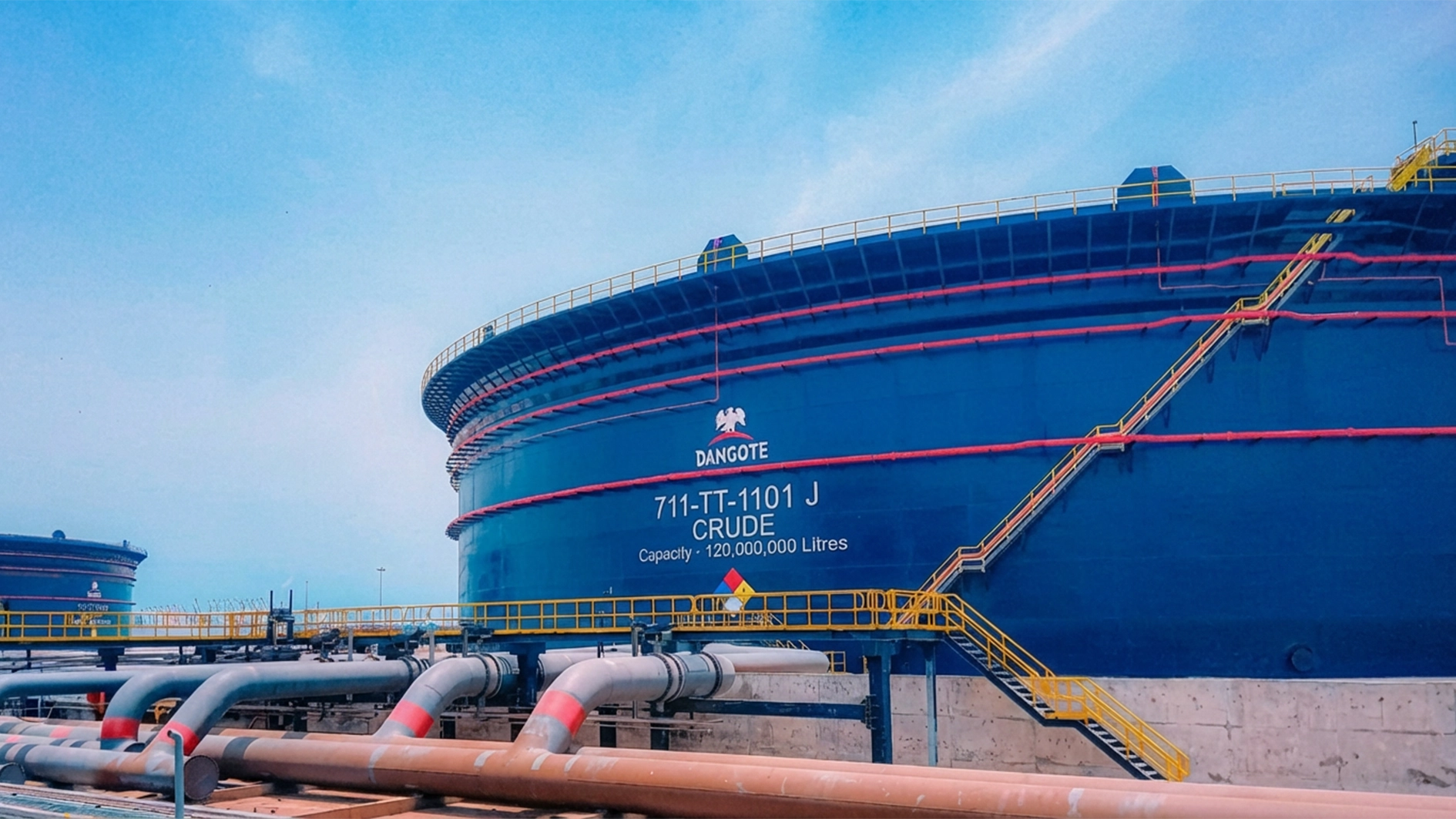
Nigeria’s debate over fuel supply and competition has taken a new turn as the Centre for the Promotion of Private Enterprise (CPPE) moves to defend the Dangote Refinery against growing concerns that it could dominate the downstream petroleum sector.
In a policy statement released on Sunday and signed by its Chief Executive Officer, Dr Muda Yusuf, the economic advocacy group dismissed monopoly allegations, arguing that they misunderstand the broader goal of Nigeria’s push toward domestic refining.
According to CPPE, what is unfolding is not a market capture by a single player, but a structural correction decades in the making — driven by the urgent need to reduce dependence on imported petroleum products and rebuild local refining capacity.
The organisation stressed that years of reliance on imported fuel created deep distortions in the economy, including pressure on foreign exchange reserves, naira instability, and heavy fiscal burdens linked to subsidy payments.
From this standpoint, CPPE argues that large-scale investments like the Dangote Refinery should be seen as corrective industrial interventions rather than competitive threats. It maintained that the refinery did not block entry into the sector but instead responded to a long-standing gap left by underperforming state-owned refineries.
The group also warned against policy shifts that favour unrestricted fuel importation, noting that such decisions could discourage further investment in domestic refining at a time when Nigeria is still building capacity in the sector.

CPPE further highlighted that the downstream petroleum market is already evolving, with modular refineries and other private investments gradually expanding local supply options alongside the Dangote facility.
It added that Nigeria’s former subsidy regime and import-heavy fuel structure imposed significant economic costs, including trillions of naira in public spending and billions of dollars in annual import bills at peak periods.
The organisation emphasised that genuine competition in the sector should come from more domestic refineries entering production rather than increased reliance on imported products.
Recent operational milestones at the Dangote Refinery — including reported full capacity output of 650,000 barrels per day and increased export activity — were cited as evidence of Nigeria’s shifting refining landscape.
Ultimately, CPPE’s position reframes the debate around Nigeria’s energy future, suggesting that the key issue is not the size of individual players, but how policy can sustain long-term industrial investment without undermining local production capacity.

