 Follow Us on Google News


 Follow Us on Google Discover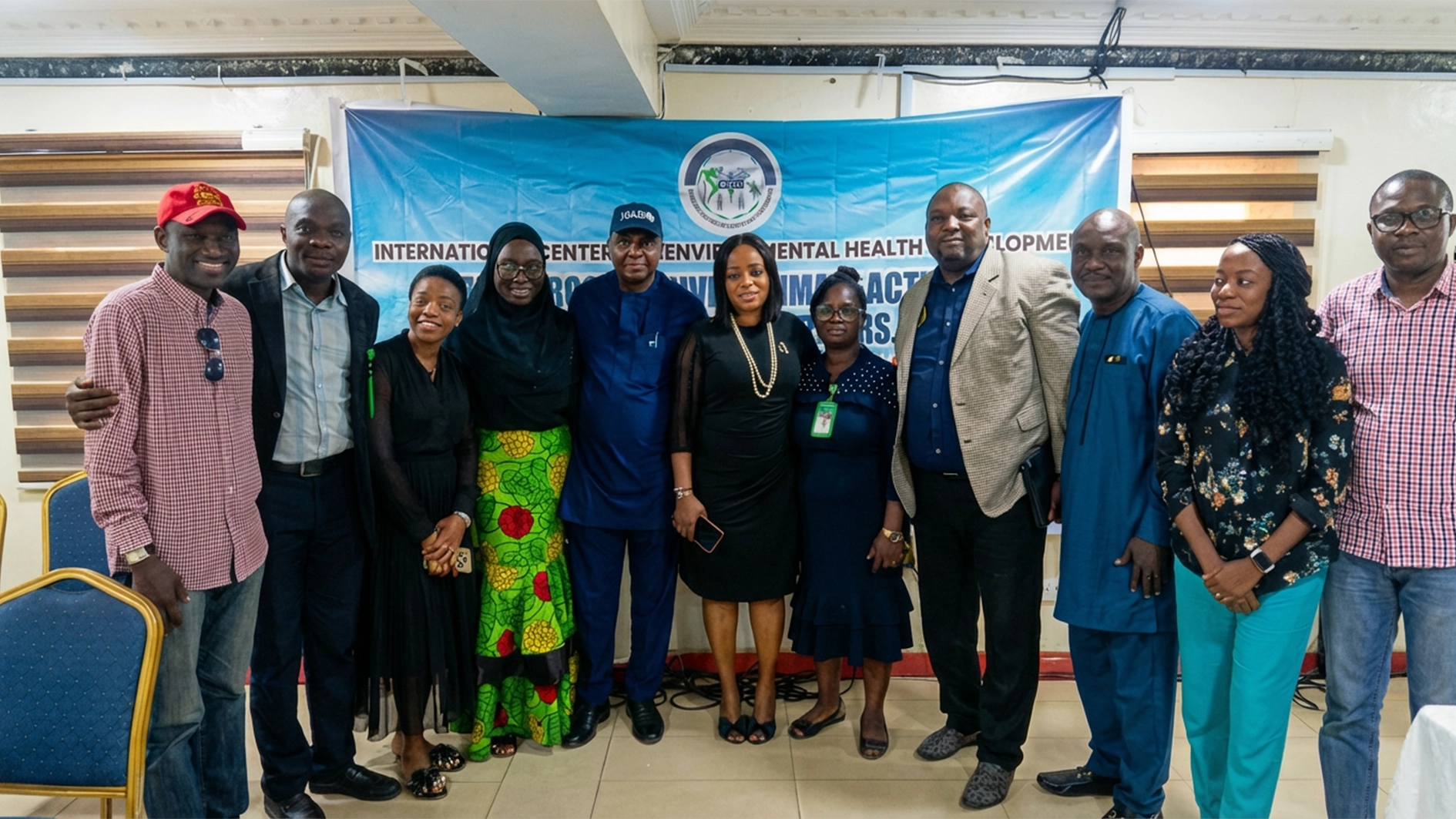
Civil society organisations (CSOs) have called for stronger gender-responsive climate policies to empower rural women farmers in Nigeria, stressing the need for improved collaboration between government, communities, and non-state actors.
The call was made at the National Consultative Advocacy Forum on Gender and Climate Change, organised by the International Centre for Environmental Health and Development (ICEHD) under the theme “Grassroots-Driven Climate Action by Rural Women Farmers in Nigeria.”
The forum brought together CSOs, government officials, and farmers to address gaps at the intersection of gender, climate change, and agriculture.
Speaking at the event, Shallom Wusu of ICEHD said women and girls bear a disproportionate burden of climate change impacts due to existing gender inequalities, particularly in climate-sensitive sectors such as farming.
“When flooding or erosion destroys farmland, women lose their livelihoods, leading to poverty, food insecurity, and malnutrition,” she said, adding that climate shocks often force families into negative coping strategies such as school dropouts and asset sales.
Participants identified weak integration and poor implementation of gender considerations in climate policies as a major challenge. Limited consultation with CSOs and inadequate use of gender-disaggregated data were also highlighted.

From the Lagos State Agricultural Development Authority, Samuel Owagbemi stressed that registration of farmer cooperatives is essential for accessing government support, noting that the state is adopting National Identification Numbers (NIN) to improve accountability.
Forum moderator Oloruntosin Taiwo noted that women make up over 70 per cent of Nigeria’s agricultural labour force but control less than 20 per cent of farmland and receive under 30 per cent of agricultural credit.
The forum concluded with a call for coordinated CSO action and the creation of a national working group on gender and climate justice to amplify rural women’s voices and influence policy.

