 Follow Us on Google News


 Follow Us on Google Discover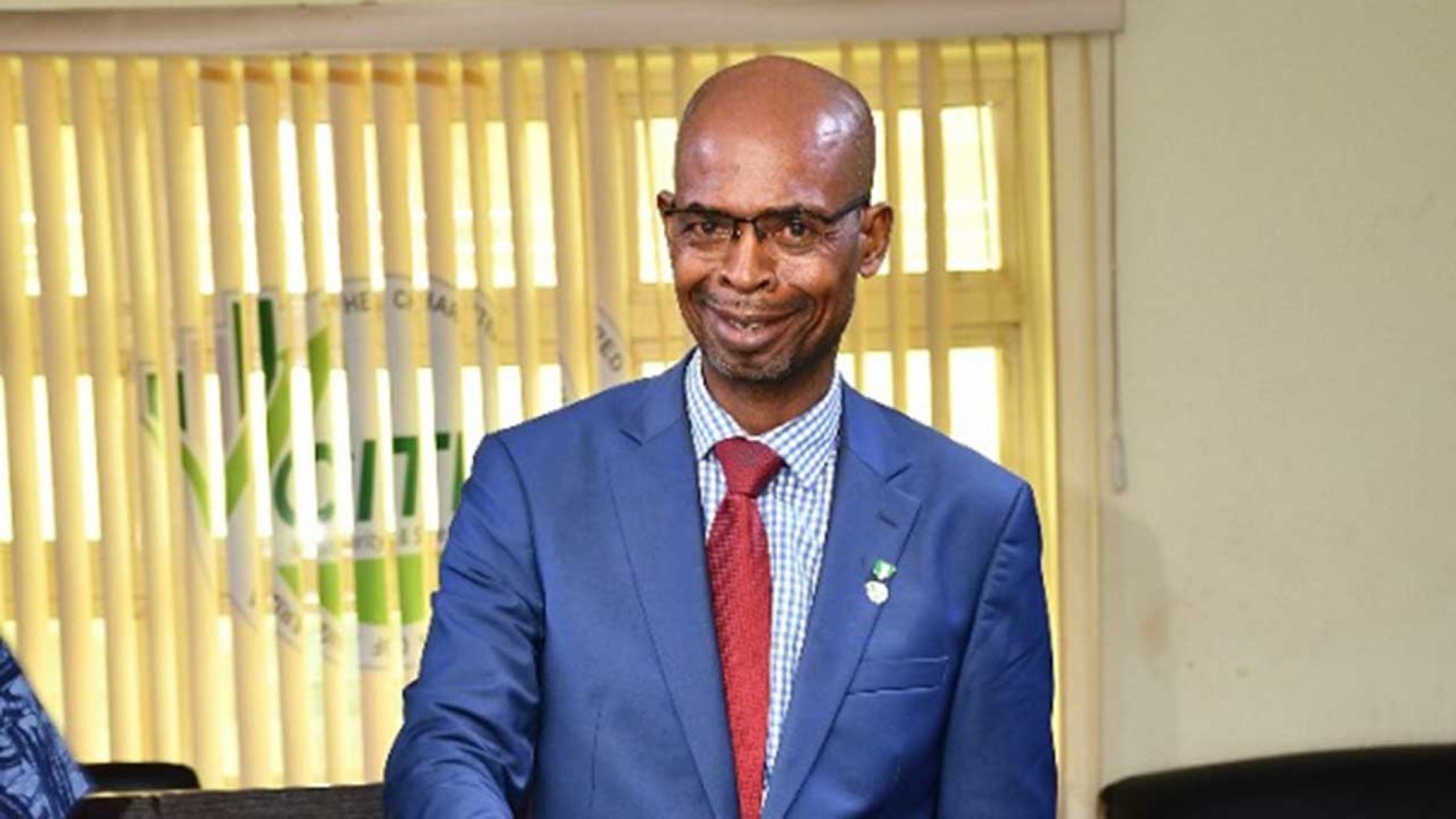
As tax systems are evolving, the Chartered Institute of Taxation of Nigeria (CITN) has revealed that efforts are intensifying to capture revenue from the digital economy and curb Base Erosion and Profit Shifting (BEPS) by multinational corporations.
President/ Chairman of Council, CITN, Innocent Ohagwa, said during the institute’s 34th yearly general meeting, in Lagos, highlighting the challenges arising from technological advancement and intricate business models that continue to mount, thus increasing the likelihood of tax revenue leakages.
Giving report on how the institute had fared in the period under review, and giving a context on the operating environment, Ohagwa said despite the International Monetary Fund (IMF) projecting global growth at 3.3 per cent for 2026, the outlook remained fragile, underpinned by persistent inflation risks, structural imbalances in major economies and ongoing geopolitical uncertainty arising from the Ukraine/Russia War and USA/Isreal/Iran skirmishes.
Tricking it down to Africa’s economy, the CITN boss said that while the African Development Bank (AfDB) projected GDP growth to rise to 4.4 per cent in 2026, the figure remains below the seven per cent yearly growth needed to create sufficient employment and reduce poverty on the continent.
On the domestic front, Ohagwa said Nigeria’s economy is consolidating the gains of recent reforms.
He said while the GDP growth is projected at approximately 4.2 per cent, driven by services, telecommunications, fintech and real estate, inflation, once galloping at over 30 per cent has moderated to the mid-teens, appreciating the Federal Government’s tighter monetary policy and foreign exchange reforms.
He said the naira, though still under pressure, has found relative stability around N1,375 to the dollar, while external reserves hover near $49.49 billion as of 15 May 2026, providing a buffer for imports.
However, he noted that some challenges persist, stating that debt servicing consumes nearly half of government revenue, while insecurity undermines productivity, and high energy costs erode the competitiveness of businesses.
According to, inflationary pressures, exchange rate volatility, and infrastructural deficits continue to impact economic stability, while household purchasing power also remains weak.

In this context, the CITN chief said taxation assumed a more strategic role within fiscal policy, with the government introducing reforms aimed at creating greater opportunities for business growth, enhancing efficiency, broadening the tax base, improving compliance and reducing revenue leakages.
Additionally, he said the Central Bank of Nigeria’s decision to retain the Monetary Policy Rate at 26.5 per cent, as retained at the 305th Monetary Policy Committee (MPC) meeting held recently, underscores the delicate balance between curbing inflation and stimulating growth.
Last year, he said the CITN operated within a dynamic and evolving environment shaped by national priorities on tax and fiscal policy reforms, economic resilience and regulatory transformation.
According to him, tax reforms and fiscal adjustments increased public attention on taxation matters, with businesses and individuals requiring greater guidance, interpretation, and engagement regarding emerging tax issues.
He said the CITN has played a critical role in addressing that demand through various capacity-building and awareness programmes organised pre- and post-enactment of the tax reform Acts and still has not relented in its efforts.
On the economic side, Ohagwa added that inflationary pressures and rising operational costs also affected institutional expenditure patterns, programme delivery, and event administration.
This, according to him, is especially because evolving tax reforms required CITN to assume stronger advocacy, advisory and stakeholder-coordination roles across Nigeria.
“In effect, while the broader operating environment simultaneously increased institutional responsibilities and strengthened the strategic relevance of the institute, inflation heightened the cost of delivering the institute’s mandate. Notwithstanding, the Institute indeed benefited from robust stakeholder support and collaboration within the period and is hopeful for more support in the next presidential year and beyond from stakeholders,” he said.

