 Follow Us on Google News


 Follow Us on Google Discover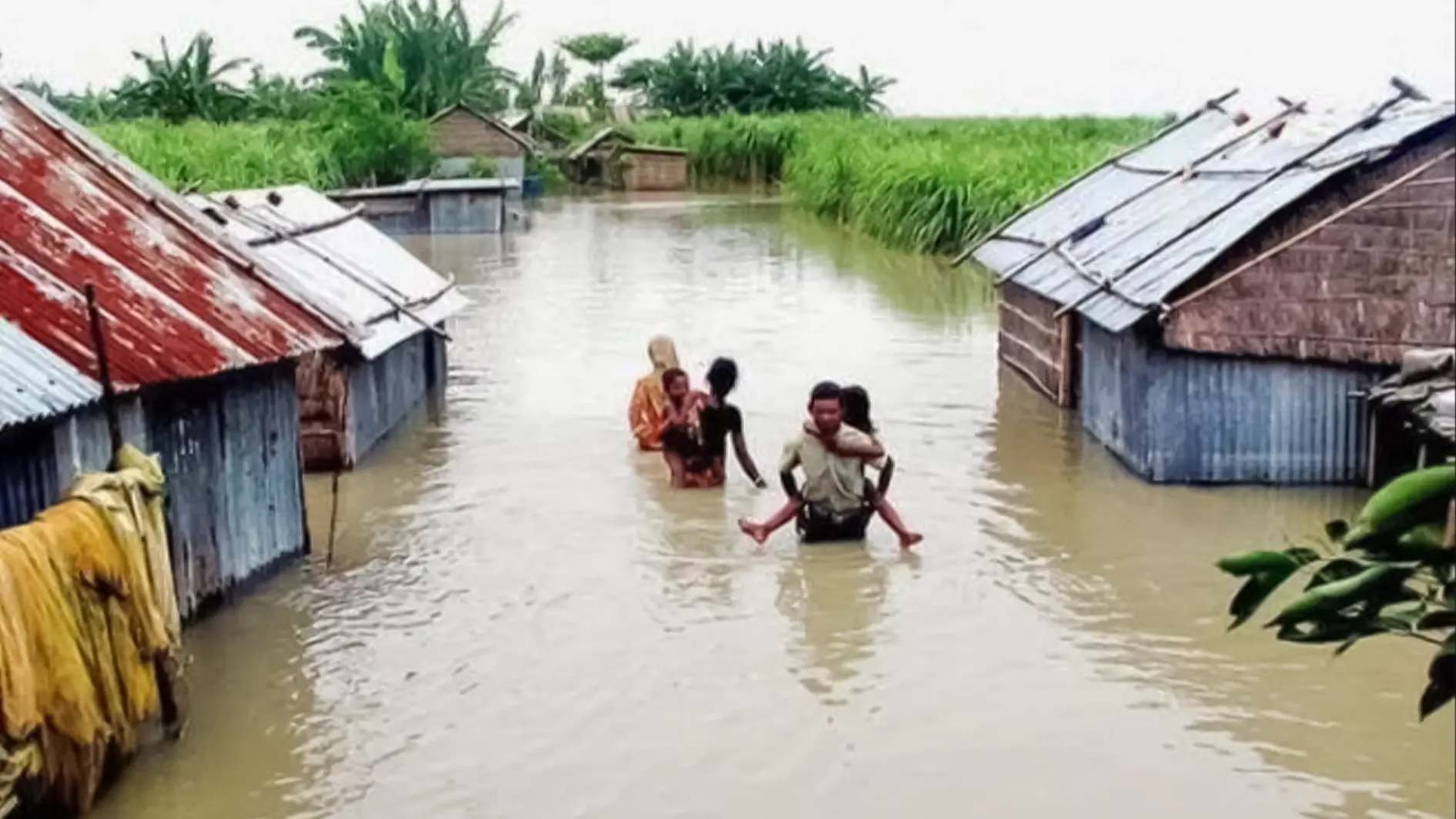
Experts seek stronger wetland protection to tackle Lagos flooding
The Ekiti, Osun, and Ondo state governments have stepped up flood prevention measures in their respective states as the 2026 rainy season reaches its peak.
Officials of the states, in separate interviews with the News Agency of Nigeria (NAN), said the focus includes dredging of waterways, drain construction, desilting, enforcement and community sensitisation.
In Ekiti, Chairman of the State Environmental Protection Agency (EKSEPA), Bamidele Oguntoyinbo, said that dredging and desilting of waterways were ongoing in Ado-Ekiti, the state capital.
According to Oguntoyinbo, the government has also commenced the dredging of rivers and streams in some flood-prone areas.
Similarly, the Commissioner for Environment and Sanitation in Osun, Mayowa Adejoorin, said the government had embarked on continuous dredging of waterways and drainage channels as part of measures to curb flooding.
Also, the Special Adviser to Ondo State Governor on Erosion Control and Flood Matters, Elisha Ebijimi, said the plan to prevent flood in the state is at 80 per cent, with additional focus on enlightenment of the residents on flood prevention.

According to him, the state government is already working on the major flood-prone areas in the state.
Meanwhile, environmental experts and conservation advocates have called for stricter protection of wetlands and stronger enforcement of environmental regulations to address persistent flooding in Lagos State.
The experts spoke in separate interviews yesterday in Lagos.
They attributed worsening flooding in parts of the state to unchecked wetland encroachment and poor urban planning.
Executive Director of Renevlyn Development Initiative, Philip Jakpor, described the construction of buildings on wetlands as a major contributor to flooding.
According to him, wetlands serve as natural buffers that absorb excess rainwater and reduce flood impacts.
Also speaking, an environmentalist, Michael Simire, called for stronger collaboration among Ministries, Departments and Agencies (MDAs) and other stakeholders involved in wetland management.
Simire, Executive Director, EnviroNews Advocacy & Campaigns for Sustainability (Endvocas), said wetlands in Lagos had experienced significant spatial changes due to rapid urbanisation over the past three decades.
He noted that increasing demand for land had resulted in unplanned wetland reclamation, sand-filling of Lagoon shores, excessive dredging, encroachment on natural drainage channels and widespread deforestation.
Simire, therefore, urged government and stakeholders to intensify public awareness on the ecological and economic value of wetlands through educational programmes and public campaigns.
He also advocated the integration of wetlands into urban planning, landscape development and water management systems.
Similarly, the Biodiversity Pillar Lead at the Nigeria Conservation Foundation (NCF), Dr Stella Egbe, said environmental conservation and sustainable development could coexist through proper planning.
However, Director of Public Affairs, Lagos State Ministry of the Environment and Water Resources, Adekunle Adeshina, said the ministry had intensified monitoring and compliance activities to curb illegal encroachment on wetlands.
Adeshina said developers involved in unauthorised reclamation and construction on wetlands were issued statutory notices and given 48 hours to desist from such activities.

