
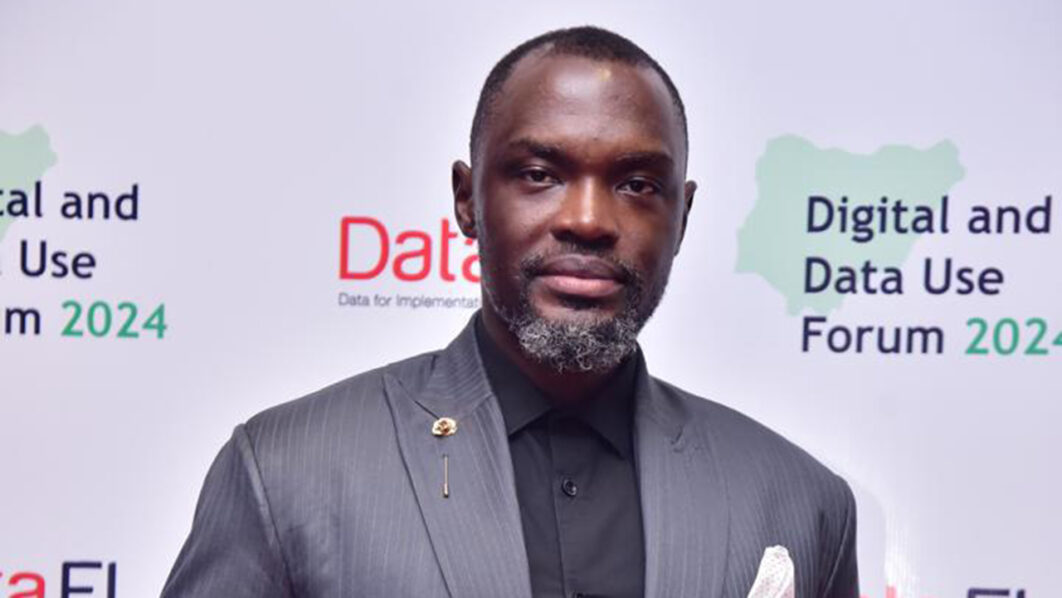
The integration of artificial intelligence (AI) in digital health is ushering in groundbreaking advancements in healthcare, and Evans Ondura is at the forefront of this transformation. An accomplished digital health expert and certified Project Management Professional (PMP), Evans brings over thirteen years of expertise in health informatics, data analytics, and digital health strategy. As the Deputy Country Director and Technical Lead for Health Informatics and Data Analytics at Palladium Group/Data.FI Nigeria, he has championed the application of AI to drive data-driven insights and predictive analytics, making significant contributions to patient-centered outcomes and health systems strengthening across Africa.
Evans’s career exemplifies a dedication to leveraging data analytics and digital health to address the unique challenges in resource-limited settings. With specialized skill sets spanning information systems, digital health, project management, data governance, and public health policy, he has led transformative projects across sub-Saharan African countries including Nigeria, Malawi, Uganda, Tanzania, Ghana, Cameroon, and Côte d’Ivoire. Evans’s initiatives show that data-informed decisions directly improve patient care, efficiency, and health outcomes.
Evans frequently emphasizes the power of AI to transform healthcare data into actionable insights. He explains that AI can not only analyze large and complex health datasets but can also reveal predictive insights that were previously out of reach. Predictive analytics, powered by AI, can forecast disease outbreaks, identify high-risk populations, and enable health systems to allocate resources more strategically. In his role at Palladium Group, Evans has championed the development and deployment of machine learning applications that are adaptable and aligned with regional health needs, acknowledging that healthcare in Africa faces unique challenges. He has also pointed out that AI applications must be inclusive and designed to bridge socio-economic and technological divides, addressing disparities in healthcare access and digital literacy to maximize impact.
The ethical and regulatory dimensions of machine learning and Artificial Intelligence (AI) integration are key focuses of Evans’s work. He has underscored the need for robust data governance frameworks to support AI’s adoption in healthcare. According to Evans, establishing standards that protect patient privacy, ensure data integrity, and facilitate interoperability across systems is essential to creating trust and accountability within digital health initiatives. His advocacy for these standards reflects his understanding of the delicate balance required between technological innovation and ethical responsibility. By collaborating with government agencies, NGOs, and private sector partners, he has worked to ensure that machine learning and AI-driven health solutions are not only effective but also transparent and secure, promoting equitable healthcare outcomes.
In addition to driving strategic initiatives, Evans is committed to empowering local healthcare teams. Recognizing that the long-term sustainability of digital health innovations relies on the capacity of those who implement and manage them, he has led numerous capacity strengthening and training programs aimed at improving health workers’ technology literacy and expertise with machine learning and AI-driven tools. His dedication to capacity building has fostered a more skilled workforce, equipped to harness digital health tools effectively and sustainably. As he remarked, AI’s
transformative potential extends beyond technical capability—it also has the power to foster a resilient, inclusive healthcare future that prioritizes community well-being and adapts to evolving health challenges.
Evans’s contributions to machine learning, AI and overall digital health reflect a clear professional vision: to create a connected, resilient healthcare system across Africa, where technological advancements catalyze impactful health transformations. He believes that the true power of AI lies not only in enhancing data analysis but in driving real-time decision-making that can positively impact communities and improve health equity. His work in integrating machine learning, AI and predictive analytics is helping shape a future where health systems across Africa are more responsive, efficient, and inclusive, setting a standard for how digital health can advance public health goals on a global scale.