 Follow Us on Google News
 Follow Us on Google Discover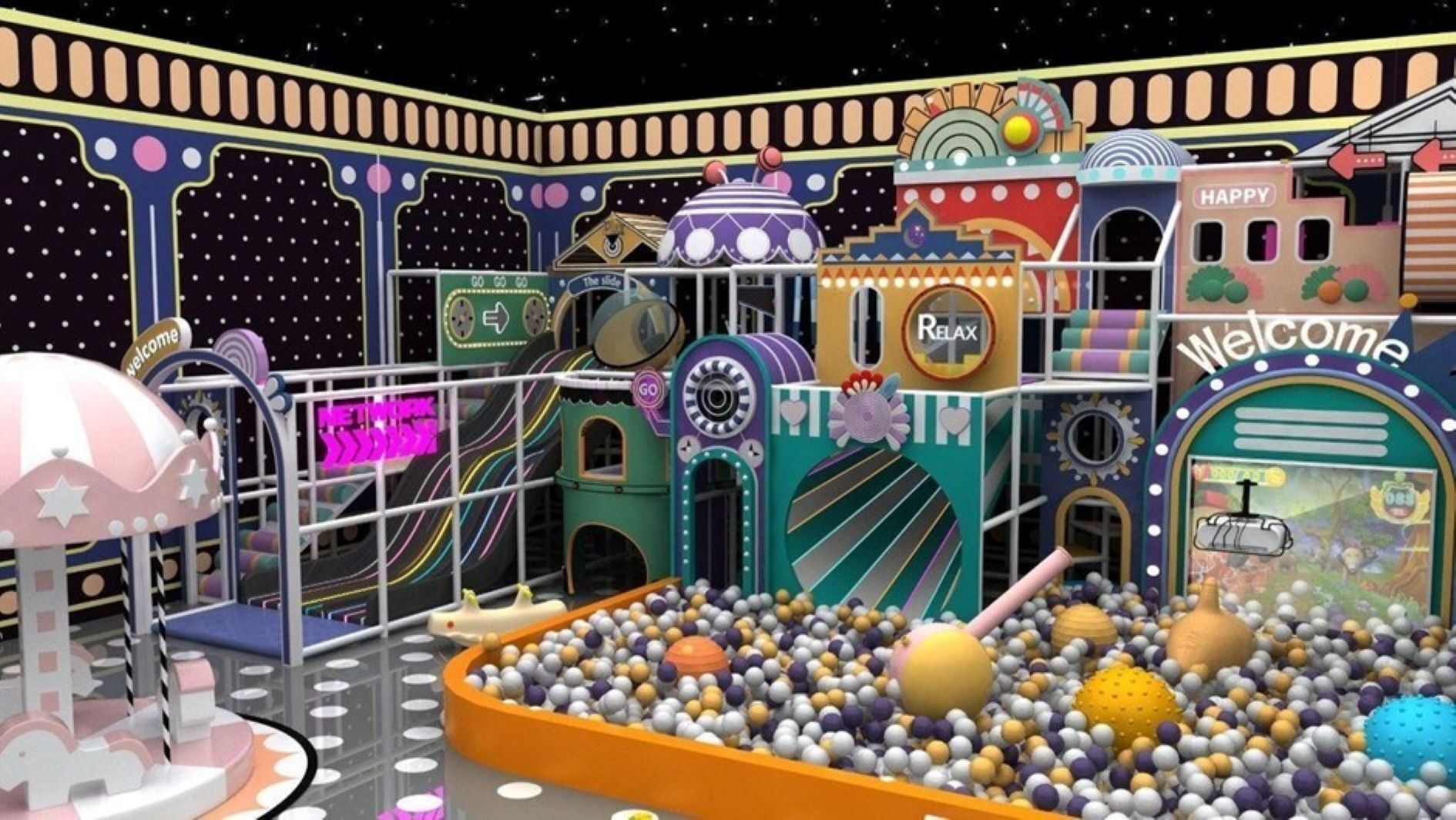
The growth of the indoor entertainment industry has been projected at a Compound Annual Growth Rate (CAGR) of six-12 per cent over the next six years, with several market reports projecting the industry to reach over $100 billion by 2032.
For over a decade, the world has experienced rising temperatures, with 2025 declared one of the warmest on record by the World Meteorological Organisation (WMO), and the trend does not appear to be abetting anytime soon.
The projection by stakeholders was disclosed by the founder of Dream Garden, Stefan Zhang, while highlighting the impact of the global rising temperature on the growth recorded in the indoor entertainment industry.
According to the founder of the China-based manufacturer of indoor playground and amusement equipment, the continual move of outdoor recreational activities indoors is a testament to the superior comfort that the indoor entertainment spaces offer fun-seekers.
“This trend is propelled by the necessity for consistent, safe, and controlled environments that promote physical activity, social connection, and mental stimulation, especially for children,” he said.
A few weeks ago, the National Emergency Management Agency (NEMA) had alerted Nigerians to a rising temperature in parts of the country.

Also, other governmental authorities across the globe have been alerting their citizens to a possible record-breaking heat.
“It is therefore not a surprise that indoor entertainment spaces, in recent years, have emerged as an unexpected sanctuary from the extreme heat. These venues are experiencing a notable increase in visitors as recreational activities are increasingly moving indoors or shifting to early morning/late evening hours as rising global temperatures and extreme heat make outdoor activities unsafe.
“Indoor recreational activities can be enjoyed all year round and at any time of the day, depending on the available facilities and equipment. On the contrary, outdoor activities are shifting to earlier mornings or later evenings to avoid peak temperatures,” he noted.
He also observed that prime recreation time was shifting away from summer towards spring and fall in many regions.
Experts have noted that heat-related illnesses and poor air quality are prompting the shift, with summer activities like camps, sports, and tourism frequently relocating to air-conditioned spaces.
According to a study by researchers at The Nature Conservancy, roughly one-third of the world’s population is already unable to work or play safely outside during peak temperatures. The shift to indoor environments contributes to a more sedentary lifestyle, with studies projecting a four per cent decline in physical activity for each month where temperatures exceed 27.8 °C (82oF).
Zhang noted that while the move of recreational activities to indoor spaces had created market expansion opportunities for indoor playground manufacturers, like Dream Garden, it has also created the need for a specific product requirement.
“Indoor amusement equipment needs to be scalable and adaptable to varying floor designs of different sizes without sacrificing comfort and safety.
“Although the industry is sure to be poised for growth as the world continues to experience a rising temperature, to really capitalise on the presented opportunities, industry players need to offer more than just a quick distraction. Operators must focus on developing top tier engaging environments where fun-seeking families would be comfortable hanging out for several hours,” he noted.

