 Follow Us on Google News


 Follow Us on Google Discover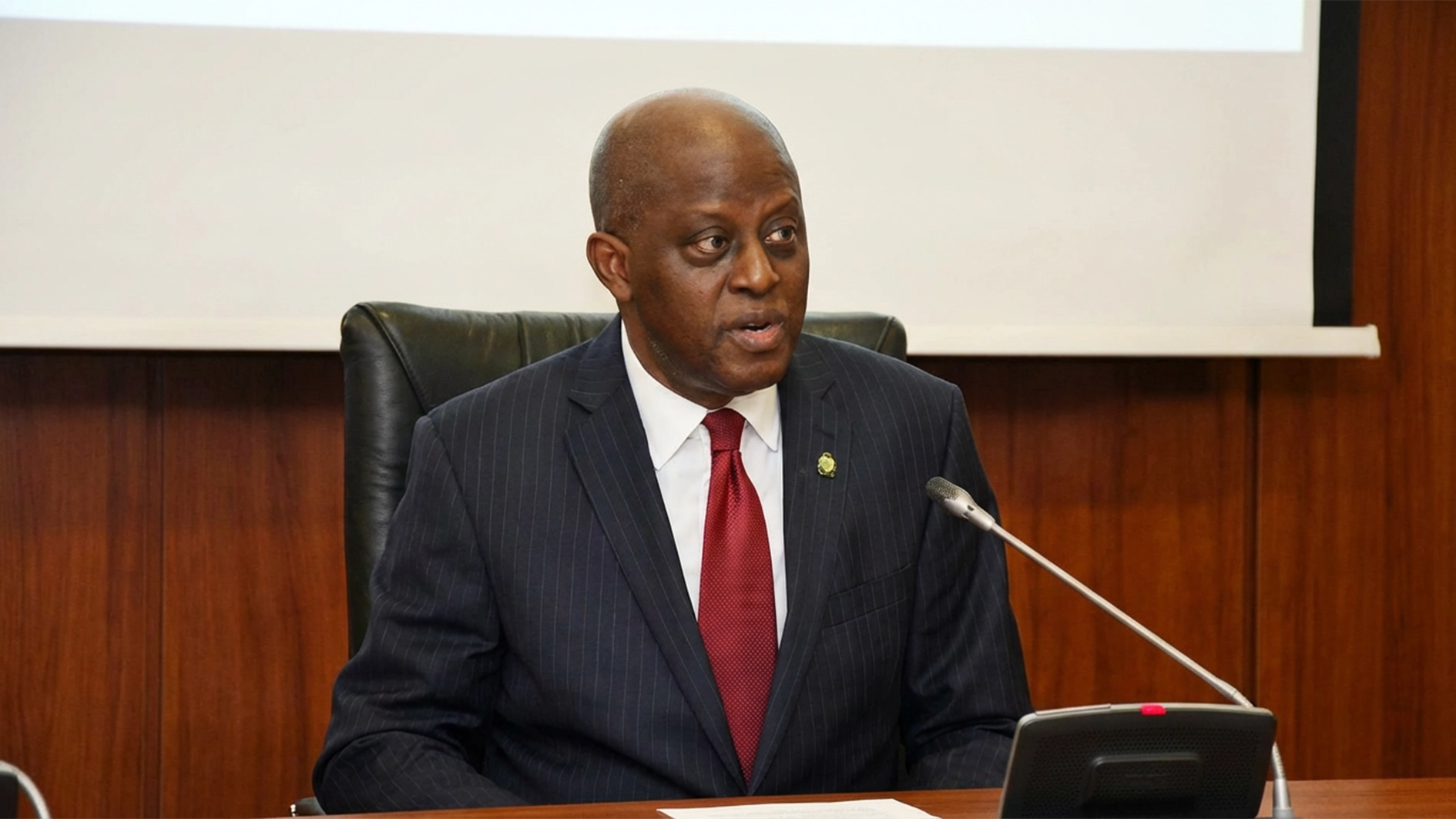
• Unity, Providus merger awaits court ratification
• CBN silent on operators under forbearance
Nigerian banks may have all come clean on the two-year recapitalisation, weathering concerns about force majeure and liquidation, which underpin the sector’s resilience and the inherent capacity of the country’s investment market.
Unlike the 2004/2005 period, which reduced the number of banks from 89 to 25, the sector is pushing through the ambitious exercise without consolidation, a feat many analysts attributed to both the resilience of the sector and confidence in the economy.
The sheer size of capital mobilised, N4.05 trillion, as of February 19, also underscores the scale of efforts made by the banks to pull through the process. In comparison, at the close of the Charles Soludo-supervised recapitalisation, the new 25 brands raised N406.4 billion, while N360 billion or approximately 89 per cent of the capital, passed the rigorous regulatory verification hurdle.
In nominal terms, banks raised 10 times what the cumulative total capital raising proceeds were at the previous recapitalisation, which saw the majority embark on public offers. But the scale of naira erosion in the past 20 years has narrowed the difference to near zero. The value raised in 2004/2005 stood at $3.1 billion. At the current exchange rate, the total capital raised by all the banks, as disclosed by the CBN Governor, Yemi Cardoso, is $2.994 billion.
Apart from the long-awaited Unity/Providus Bank merger, which is in the final phase, the banks have scaled through the process with the expected business combination or forced marriage. With liquidity support of N700 billion, which is N400 billion more than what the operator owed the CBN, Unity Bank has technically met the N200 billion required to maintain its national licence.

Plus Providus’ independent capital, the new brand, which The Guardian learnt secured court sanction last week, to cross the final hurdle, may be announced this week. Providus Unity Bank, the expected brand name, is expected to unlock the financial accommodation upon the conclusion of the merger process.
A few days to the end of the painstaking process, the Central Bank is still quiet about its position on organisations that are under forbearance – Union, Polaris and Keystone banks. Cardoso had disclosed that the entities would be treated under a different arrangement.
Recently, there were speculations that there was a merger discussion between Wema Bank and Polaris. Neither the affected banks nor the regulator claimed knowledge of the negotiation, which has any link with capital adequacy.
Making liquidity work for the real sector, economy
Providing a context to the exercise, the Chief Executive Officer of the Centre for the Promotion of Private Enterprise (CPPE), Dr Muda Yusuf, said: “There must be a clear alignment between the capital base of banks and the scale of risks they undertake.”
He said capital adequacy is not static but must evolve in line with economic realities.
“A capital threshold that was adequate two decades ago can no longer deliver the same level of financial strength today. Adjusting capital requirements is therefore not extraordinary – it is a necessary response to changing economic conditions and the erosion of real capital values.”
Yusuf noted that Nigeria continues to face significant gaps in credit delivery, particularly to small and medium enterprises (SMEs), the rural economy, agriculture and other productive sectors. These segments are critical for employment generation, poverty reduction, and inclusive growth, yet they remain underserved by the financial system.
“With stronger capital bases, banks are expected to increase their risk appetite responsibly, expand credit access, and support productive investments across the economy”, he said, adding that there is also a need for regulatory encouragement to ensure that the benefits of recapitalisation are transmitted to priority sectors that drive broad-based economic development.
He said the progress recorded so far, particularly the orderly and non-disruptive nature of the exercise, is commendable and reflects effective regulatory oversight.
“However, the true measure of success will lie in the extent to which stronger banks translate their enhanced capital base into improved credit delivery, deeper financial inclusion, and more robust support for the real economy”, he noted.
In a position paper on the recapitalisation programme, the CPPE urged the government to complement the gains of the recapitalisation programme with policies that promote inclusive lending, reduce the cost of credit, and strengthen the linkage between the financial system and the productive sectors of the economy.
In comparison to the 2004 exercise, the current process has been measured, well-sequenced, and market-driven.
There has been no evidence of systemic panic, depositor losses or widespread institutional distress.
Stakeholders expressed their praise for the process and commended the apex bank for managing the process in a manner that preserved stability while achieving its policy objectives.
What lessons can be learnt from the conduct of the recapitalisation?
Prof. Godwin Oyedokun of Lead City University said several lessons emerge from the process.
He said: “Strong capital buffers are critical for financial stability, particularly in an economy exposed to currency volatility and inflation. Second, timely regulatory communication helps financial institutions plan effectively. Third, the reform demonstrates that market-based solutions, rather than government bailouts, can successfully support banking sector restructuring.”
While the recapitalisation is a significant step in the right direction, it must not be seen as an end in itself, he said.
According to him, the ultimate objective of stronger bank capitalisation should be to enhance financial intermediation and support the real economy more effectively.
Oyedokun said for Nigeria to fully benefit from stronger banks, policymakers must ensure that increased capital translates into greater lending to productive sectors, such as manufacturing, agriculture, infrastructure and small businesses.
“With the right regulatory oversight and economic policies, well-capitalised banks can support economic expansion, deepen financial inclusion, and position Nigeria as a leading financial hub in Africa”, he said.
On his part, an independent investor, Amaechi Egbo, said the exercise is already altering shareholder value dynamics, particularly for banks that raised funds at discounted valuations.
He noted that such institutions may experience slower earnings recovery in the near term, whereas banks that executed stronger capital strategies are likely to gain a competitive edge in the post-recapitalisation environment.
“The exercise will change how shareholders’ investments are affected, especially in banks that sold new shares cheaply. Some banks raised fresh capital by offering shares at prices lower than their perceived or previous market value to attract investors quickly.
“The implication is that existing shareholders may see their ownership diluted and the value of their shares temporarily weakened. This can reduce earnings per share and delay gains like dividends or price appreciation. The move will ultimately affect current shareholders in the short term, even though it may strengthen the bank in the long run.”
He added that prevailing macroeconomic conditions, including persistent inflation, exchange rate volatility and high interest rates, have complicated fundraising efforts while reinforcing the urgency for stronger capital buffers across the system.
According to him, the implications of the exercise will extend well beyond the March deadline, as investor attention shifts to fundamentals such as earnings quality, capital efficiency and market positioning rather than simple regulatory compliance.
President of the New Dimension Shareholders Association of Nigeria, Patrick Ajudua, said shareholders were looking beyond the ongoing bank recapitalisation exercise to a post-reform banking sector defined by strength, profitability and sustainable returns.
He noted that investors expected the exercise to produce stronger banks with larger balance sheets and greater resilience to financial shocks, alongside improved dividend payouts and capital appreciation.
According to him, shareholders also anticipate institutions that are run more efficiently and profitably in the aftermath of the recapitalisation drive.
Ajudua stressed that these expectations would only be realised if banks put in place robust risk management frameworks and adopt effective debt recovery strategies to safeguard asset quality. He added that lenders must operate with clearly defined, realistic and measurable goals to ensure long-term stability and growth.
He emphasised the need for prudent deployment of funds, noting that capital raised should be channelled into ventures where there is certainty and timeliness in the repayment of both principal and interest.
In addition, he said, the performance of bank subsidiaries must be closely monitored and aligned to contribute meaningfully to group earnings, with regular and timely appraisals to ensure accountability and value creation.
The CBN has maintained that the recapitalisation is aimed at building a stronger and more resilient financial system capable of withstanding economic shocks and supporting large-scale growth.
The apex bank also linked the exercise to broader objectives of improving liquidity, restoring investor confidence and enhancing monetary stability across the economy.
With the bank capitalisation now behind, investors’ attention is increasingly turning to Nigeria’s insurance sector, with regulators and industry operators reporting renewed interest in the industry.
Eyes on insurance sector
At least 20 insurance companies have formally indicated readiness for capital verification, signalling momentum in the industry’s drive to meet new capital thresholds set by the National Insurance Commission (NAICOM).
Commissioner for Insurance, Olusegun Omosehin, said the response from operators has been encouraging, noting that the verification process is a critical step in ensuring that only well- capilised and financially sound companies remain in the market.
“We are seeing increased engagement from operators and investors alike.
The recapitalisation exercise is not just about meeting minimum requirements but about strengthening the industry for long-term stability,” Omosehin said.

