 Follow Us on Google News


 Follow Us on Google Discover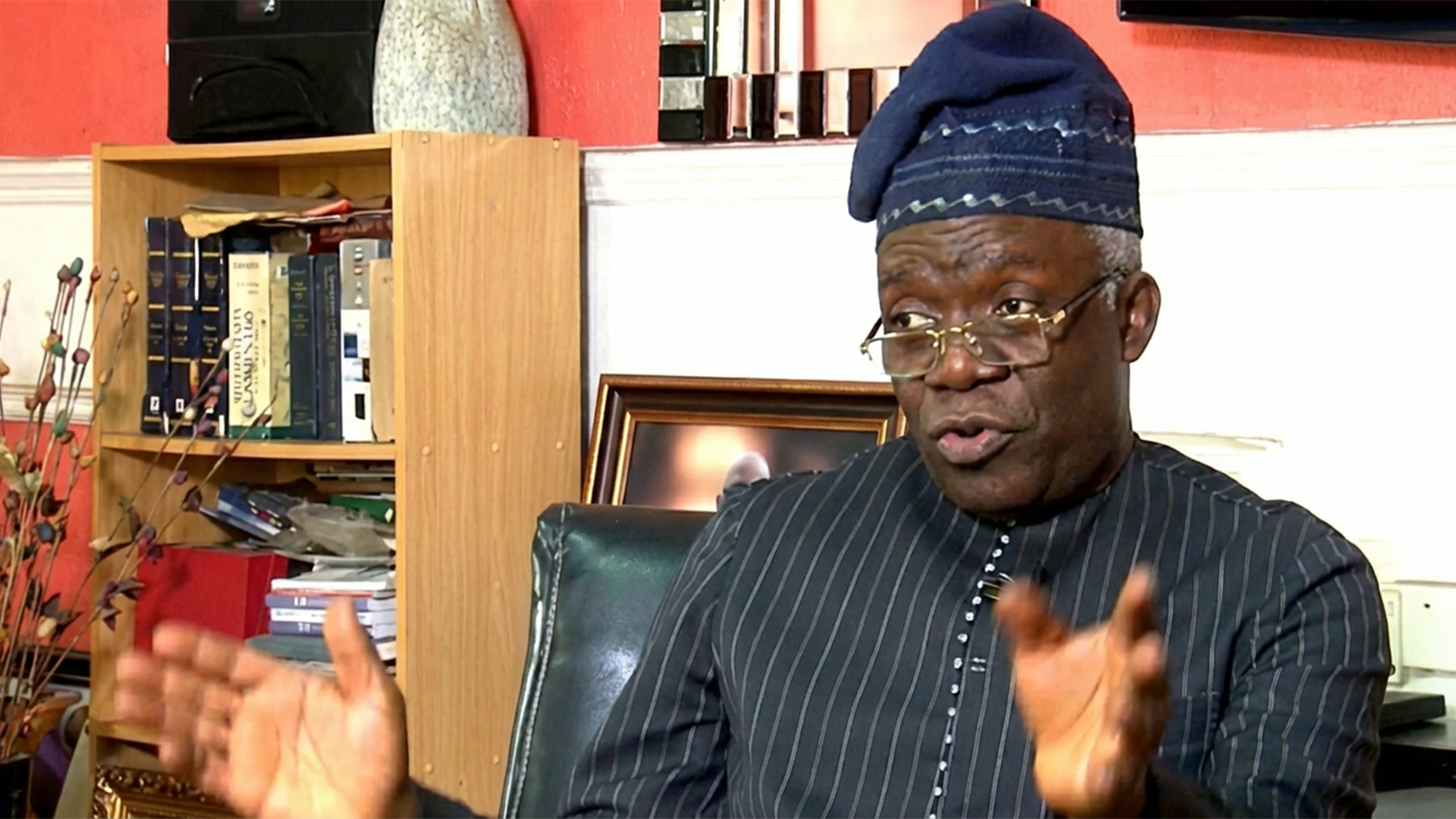
• Says action unconstitutional, excessive, dangerous
• Visits injured victims at LASUTH
A Senior Advocate of Nigeria (SAN), Femi Falana, has condemned the police use of teargas on protesters during last week’s demonstration against alleged illegal demolitions and forced evictions in the Makoko waterfront area of Lagos State, describing the action as unconstitutional, excessive and dangerous.
Falana spoke during a visit to Lagos State University Teaching Hospital (LASUTH) where protesters injured during the demonstration are receiving treatment.
The human rights lawyer said that Nigeria’s Constitution clearly guarantees citizens’ rights to freedom of expression and peaceful assembly.
He recalled that the Court of Appeal in All Nigeria Peoples Party (ANPP) v Inspector-General of Police, affirmed the right of Nigerians to protest peacefully and directed the National Assembly to enact laws to safeguard that right.
According to him, the Police Establishment Act further strengthened those protections.
“In 2020, the Police Establishment Act specifically provides that those who want to protest are only required to notify the police. Once the police command is notified, adequate security must be provided,” Falana said.

He maintained that the organisers complied with the law by duly notifying the police, noting that officers escorted the protesters peacefully from Ikeja to Alausa, including around the House of Assembly complex, saying that the situation escalated when no government official came out to receive a letter addressed to the Lagos State Governor.
Falana, however, expressed concern over the severity of the injuries sustained by the protesters, describing them as abnormal.
Meanwhile, a Burn and Plastic Nurse at LASUTH, Adedeji Hassan, while briefing Falana on the condition of one of the injured protesters, said that one Kafayat Muftaudeen, who sustained a severe leg injury, was discharged yesterday but would need to continue treatment through regular wound dressing and weekly hospital visits ahead of surgery.
Hassan, while responding to Falana’s enquiry on whether financial considerations influenced the decision to discharge the patient, insisted that money was not a factor.
“It’s not about money. Rather than wasting money, if the wound can be managed at home, it is better.”

