 Follow Us on Google News


 Follow Us on Google Discover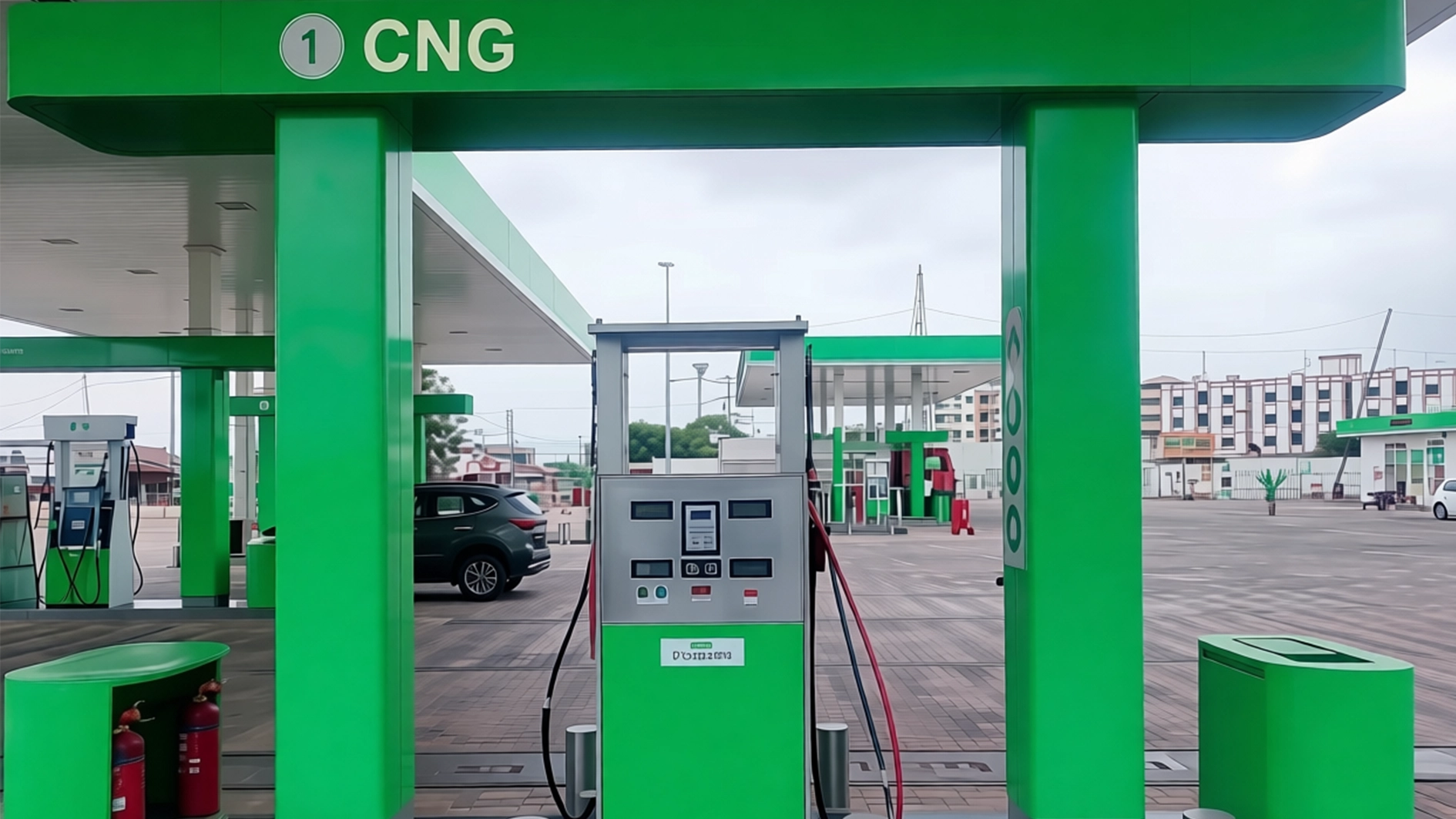
Nigeria has stepped up its push for Compressed Natural Gas (CNG) adoption with President Bola Ahmed Tinubu commissioning new gas infrastructure aimed at accelerating the country’s transition to cleaner and more affordable energy for transportation.
The commissioning, held in Abuja on Friday, featured the rollout of the Rolling Energy High-Capacity Daughter Booster Station in Jahi, alongside similar projects delivered by Ibile Oil and Gas and Portland Energy in Lagos, and Femadec in Owerri.
The projects form part of a broader national effort to scale up gas utilisation and support the Federal Government’s target of running about one million vehicles on alternative fuel.
Despite these efforts, Nigeria has so far converted only about 100,000 vehicles to run on gas amid challenges of consistent gas availability.
Representing the president at the event, Minister of State for Petroleum Resources (Gas), Ekperikpe Ekpo, said the newly commissioned facilities reflect growing private sector participation in gas infrastructure development.
He noted that the projects, supported by the Midstream and Downstream Gas Infrastructure Fund (MDGIF), demonstrate increasing investor confidence in Nigeria’s gas sector and align with the government’s Decade of Gas Initiative.

“These investments are directly aligned with the Federal Government’s commitment to position natural gas as a catalyst for industrialisation, energy security, transportation transformation and economic diversification,” Ekpo said.
Nigeria holds approximately 215 trillion cubic feet of proven gas reserves, one of the largest in the world. The government has repeatedly emphasised the need to harness this resource for domestic use rather than focusing primarily on exports.
The Jahi facility, developed by Rolling Energy in partnership with MDGIF, is designed to play a central role in expanding access to CNG within the Federal Capital Territory.
It has a sales capacity of 1,000 standard cubic metres per hour and is supported by two CNG tube skids with a combined capacity of 17,000 standard cubic metres.
Ekpo said the development contributes to the Presidential Initiative on Compressed Natural Gas (Pi-CNG), which aims to reduce dependence on petrol and diesel following the removal of fuel subsidies.
The Nigerian Midstream and Downstream Petroleum Regulatory Authority (NMDPRA), represented by Abuja Regional Coordinator, Hajia Maigida Abdulkadir, reaffirmed its commitment to providing regulatory support for the sector.
“We are here to work with stakeholders to ensure an enabling environment for gas utilisation in Nigeria,” she said, expressing optimism that more of such projects would emerge.
Chief Executive Officer of Rolling Energy Limited, Mubarak Umar Danbatta, described the project as a milestone in Nigeria’s transition to cleaner energy, noting that the facility had already begun serving between 350 and 400 vehicles daily since initial operations commenced.
He said the project reflects the growing acceptance of gas-powered transportation among Nigerians, driven largely by rising fuel costs and the search for more affordable alternatives.

