 Follow Us on Google News


 Follow Us on Google Discover
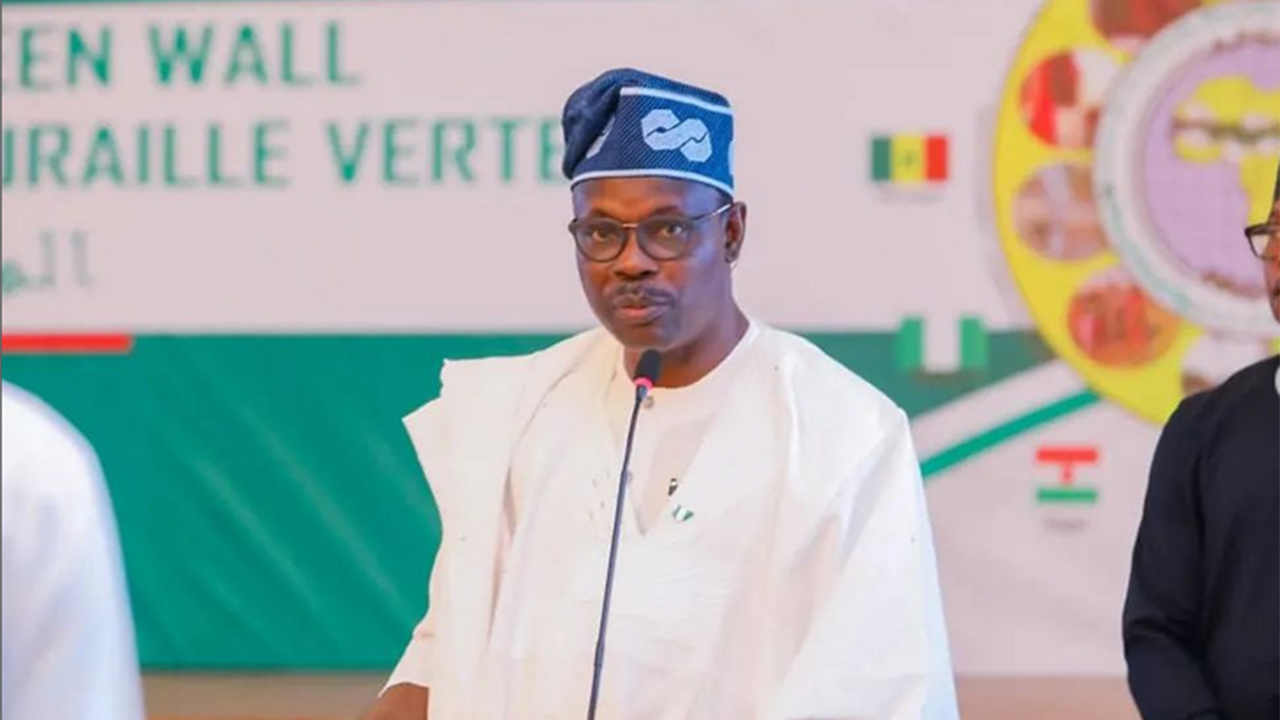
The Federal Government unveiled a comprehensive strategy to tackle power shortages in public hospitals and emphasised the need to develop and adopt smart energy solutions to boost healthcare delivery and improve population health outcomes.
Speaking at the inauguration of the Implementation Committee for the National Dialogue on Power in the Health Sector yesterday in Abuja, the Minister of State for Health and Social Welfare, Dr. Adekunle Salako, observed that the rising energy costs and inadequate power supply are affecting service delivery in healthcare facilities across the country.
He stated that, though there have been some pockets of deployment of alternative energy solutions in some health institutions, it is obvious that the current efforts are neither integrated nor guided by any holistic framework, operational guideline, or overarching policy.
Salako noted that government initiatives, such as a 50% electricity subsidy for public hospitals and the deployment of solar mini-grids in selected hospitals, have not fully addressed the issue, hence the need for an urgent rethinking of traditional models of power generation and supply to hospitals.
[ad]
He said, “The current situation requires a collaborative, whole-of-government approach as we work across sectors to resolve many challenging issues that are beyond the purview of the health sector. In all the hospitals that I visited, I have instructed the Medical Directors to explore various public-private partnership models, develop business cases, and draw up strategic plans of engagement that will attract private sector investments to boost their capacities in the area of alternative and renewable energy solutions. I encourage all public healthcare facilities to think in this direction, and I believe this should be a priority agenda for the Committee of CMDs and MDs of Federal Tertiary Hospitals.”

Salako said that the stakeholders’ dialogue aims to develop alternative power sources, strengthen regulatory frameworks, and improve funding mechanisms to ensure stable electricity in health institutions across the country.
He said, “We can no longer afford business as usual in the face of mounting energy bills in our hospitals. I am calling for all hands to be on deck to relieve our hospitals of the burden of prohibitive costs of power supply, which amounts to hundreds of millions of naira monthly.
“This is the time to be creative and innovative as we move to develop and adopt smart energy solutions that will strengthen our health system and empower us to deliver on our core mandate of improving population health. Against these backgrounds, the need for a national stakeholder dialogue on power in the health sector has become compelling.”
The committee, made up of government agencies, development partners, and private sector stakeholders, is tasked with implementing key recommendations to secure reliable power for hospitals nationwide.
[ad]
“The objective of the dialogue will include: one, to assess the existing power policy environment against the urgency of the energy needs of tertiary health facilities and other public health facilities in Nigeria based on the lessons learned from other low- and middle-income countries.
READ ALSO: Ogun police recover N106.8m stolen property, arrest 2,141 suspects in Q1 2025
“Two, to guide and build experiences of the current power situation and assist with practical recommendations and best practices. Three, to identify alternative and sustainable solutions by exploring renewable energy options, backup power systems, and energy-efficient solutions to ensure power reliability.”
Speaking at the event, Dr. Babatunde Ipaye, vice chairman of the committee and former Lagos State Commissioner for Health, pledged his commitment to leading the dialogue towards actionable solutions.
Ipaye said: “I understand the intricacies of our healthcare system and the urgent need for a reliable power supply. The committee is fully committed to working tirelessly, exploring innovative solutions to address these longstanding challenges.”
In her remarks, the Permanent Secretary of the Ministry of Health, Ms. Daju Kachollom, highlighted the devastating impact of power shortages on hospitals, citing the recent electricity crisis at the University of Ibadan Teaching Hospital as an example.
She said: “Power supply issues are a major challenge for Nigeria’s healthcare institutions. With a reliable power supply, hospital operations will improve, businesses around hospital environments will flourish, and collaboration among stakeholders will help overcome these challenges.”
[ad]
Dr. Salako appreciated the Coordinating Minister for Health and Social Welfare, Prof. Muhammad Ali Pate, as well as the Minister of Power, development partners, and private sector stakeholders for their commitment to the initiative.
“We must move beyond temporary fixes and work collaboratively to provide lasting energy solutions for our hospitals. A well-powered healthcare system is essential to achieving Universal Health Coverage (UHC) in Nigeria,” he concluded.
[ad]
With healthcare facilities spending hundreds of millions of naira monthly on electricity bills, the National Dialogue on Power in the Health Sector is expected to shape Nigeria’s roadmap toward affordable, reliable, and sustainable power solutions for public hospitals nationwide.

