 Follow Us on Google News


 Follow Us on Google Discover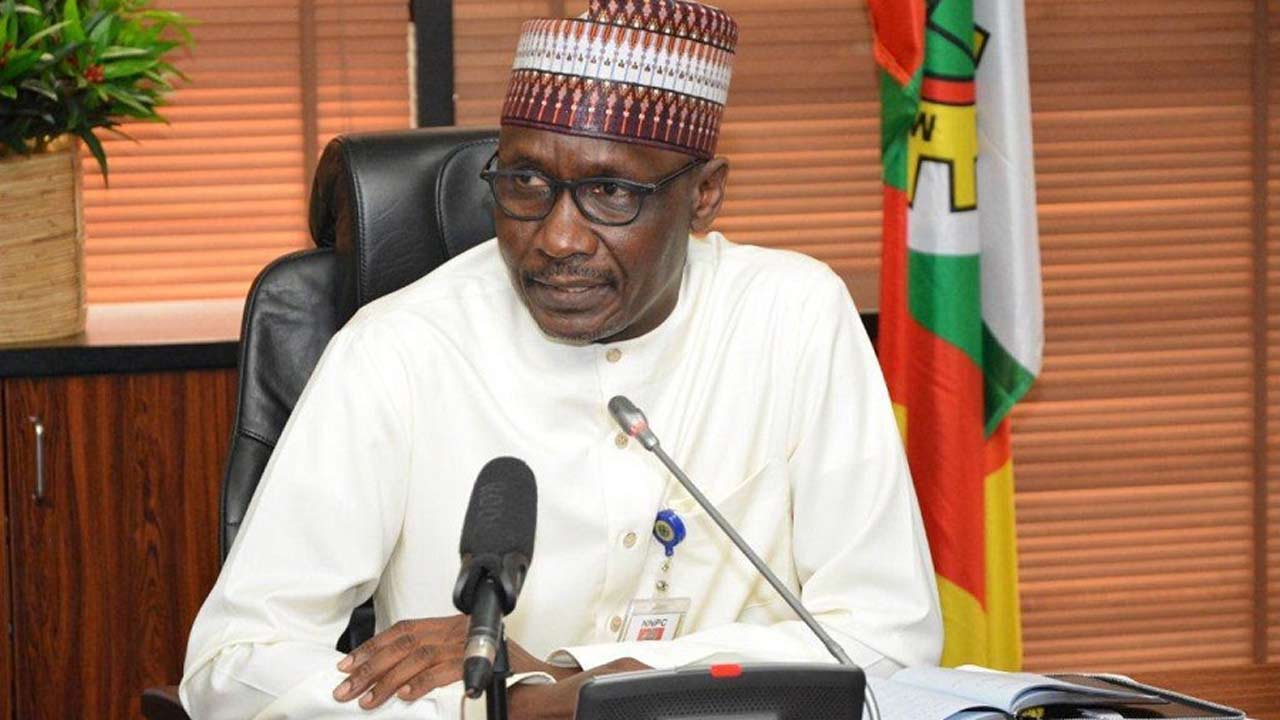

Although the Nigerian National Petroleum Company Limited (NNPCL), yesterday, in Lagos, reiterated its stance against transitioning from fossil fuel, stakeholders insisted that technology and stringent regulations would be deployed in Nigeria’s oil and gas sector to meet the Federal Government’s commitment to a carbon-neutrality by 2060, Fugitive/Greenhouse gases (GHG) reduction by 2031 and elimination of gas flaring by 2030.
At the 46th yearly conference of the Society of Petroleum Engineers (SPE), stakeholders raised the need to increase alternative cleaner energy sources in the foreseeable future amid fossil fuel dominance.
Group Chief Executive Officer of NNPCL, Mele Kyari, represented by Executive Vice President Upstream, Adokiye Tombomieye, noted that Nigeria would not pursue net-zero plans at the detriment of existing hydrocarbon resources.
He said: “We would use what we have to get to our desired destination. This is the reason NNPC Limited has identified gas as a transition fuel, and we are expanding our gas development and infrastructure across the country to increase energy accessibility.
Today, Nigeria has about 209.5 trillion cubic feet of natural gas reserves, with a potential upside of up to 600 trillion cubic feet. This is an enormous resource that would drive cleaner and affordable energy vision.
“Other alternative energy sources, such as solar and wind, are faced with technology limitations. They are still not affordable and cannot meet the high energy demands of our industries, cities and remote environment.”

Chief Executive of Nigerian Downstream Midstream Petroleum Regulatory Authority (NMDPRA), Farouk Ahmed, pointed out that the country is actively exploring and facilitating technologies that enable cleaner processing of fossil fuels for mandatory adoption industry wide.
According to him, as the energy transition evolves, there is an opportunity to accelerate development across the gas value chain, providing a low-carbon bridge to a future of sustainable energy.
Ahmed said NMDPRA is galvanising the sector to address the challenge of energy accessibility, affordability and sustainability by unlocking the full potential of natural gas.
He said the regulator is strengthening project monitoring to ensure emission reduction and decarbonisation strategies embedded into all projects from conceptualisation in alignment to the government’s commitment to a carbon-neutrality by 2060, Fugitive/Greenhouse gases (GHG) reduction by 2031 and elimination of gas flaring by 2030.
[ad]

