 Follow Us on Google News
 Follow Us on Google Discover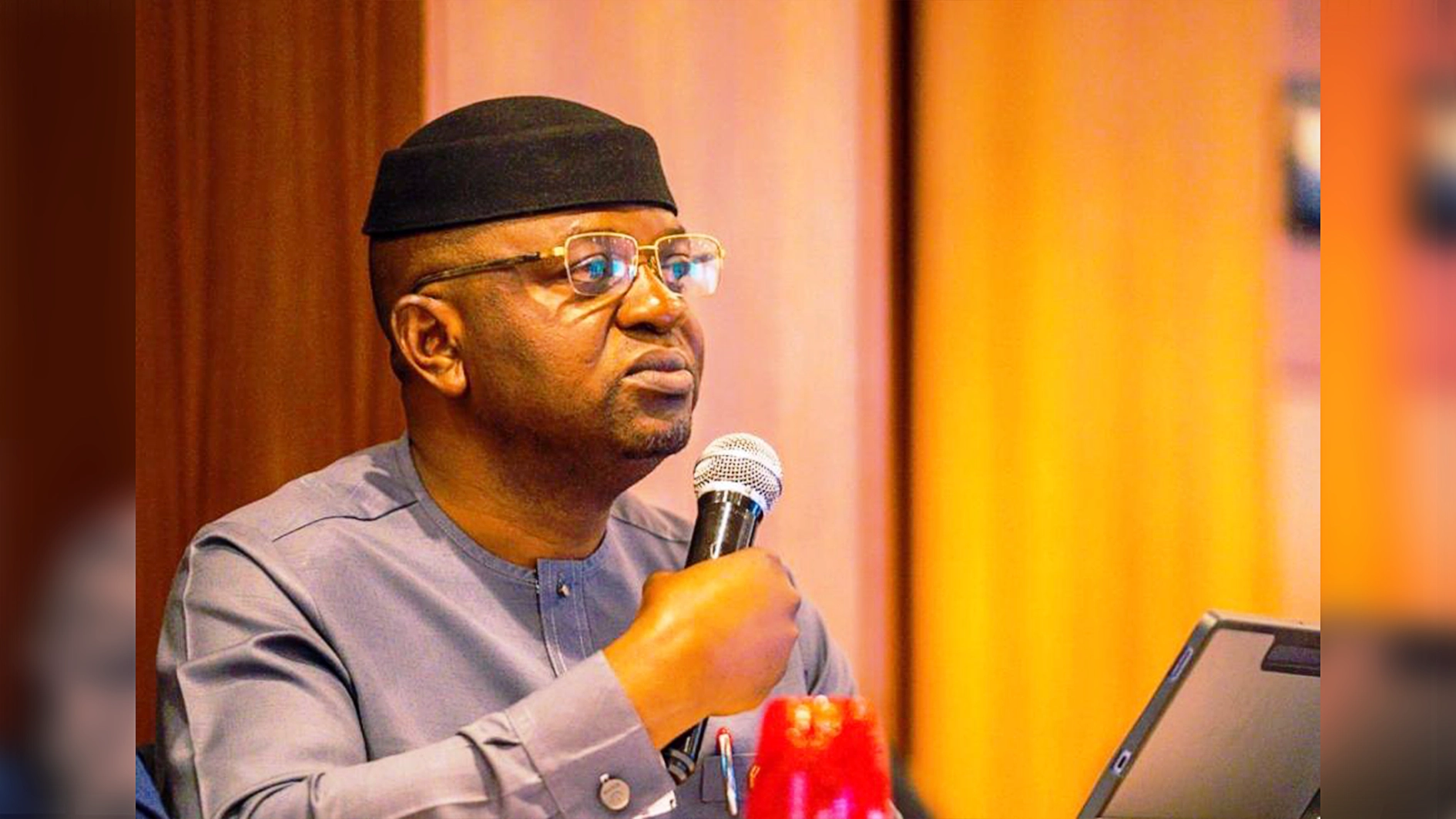
The Federal Government has reaffirmed its commitment to reducing the burden on the girl child by expanding access to safe water and sanitation, declaring that improved water security remains central to gender equality and national development.
The Minister of Water Resources and Sanitation, Prof. Joseph Terlumun Utsev, stated this on Tuesday in Abuja during a press briefing to commemorate the 2026 World Water Day.
Speaking on the theme, “Water and Gender: Where Water Flows, Equality Grows,” the Minister noted that inadequate access to water disproportionately affects women and girls, exposing them to health risks, limiting educational opportunities, and increasing unpaid care responsibilities.
He stressed that ensuring reliable and inclusive water systems would significantly ease these burdens and enhance the dignity and productivity of the girl child.
Utsev disclosed that the Ministry has constructed and rehabilitated over 6,700 water schemes nationwide, providing safe drinking water to more than 32 million Nigerians.
He added that about 500 additional projects, including solar-powered boreholes, storage systems, and reticulation networks, have been implemented across underserved communities, where women and girls are most affected by water scarcity.

On sanitation, the Minister said the government has intensified efforts under the Clean Nigeria Campaign, with over 5,200 public sanitation facilities constructed and 162 local government areas declared open defecation free.
He emphasized that improved sanitation and hygiene are critical to safeguarding the health, safety, and dignity of women and girls.
He further highlighted ongoing partnerships with development agencies under programmes such as SURWASH and PEWASH, which are delivering sustainable water, sanitation and hygiene services across 17 states and the Federal Capital Territory, while strengthening governance, accountability and community-level service delivery.
The Minister reaffirmed the government’s resolve to integrate gender considerations into water governance, promote women’s participation in decision-making, and expand access to safe water in schools, health facilities and rural communities.
He added that ongoing investments in irrigation, dams and water infrastructure would further support livelihoods, food security and resilience, particularly for women.
He urged stakeholders including government agencies, development partners, civil society and the private sector to intensify collaboration to ensure that no Nigerian, especially women and girls, is left behind in access to safe water and sanitation.
In his remarks, UNICEF WASH Manager, Mr. Chiranjibi Tiwari, described Nigeria’s water crisis as a gender crisis, noting that women and girls continue to bear the heaviest burden where access is limited.
He also called for stronger implementation of gender-sensitive water policies, improved data collection, and targeted interventions to address disparities in the sector.

